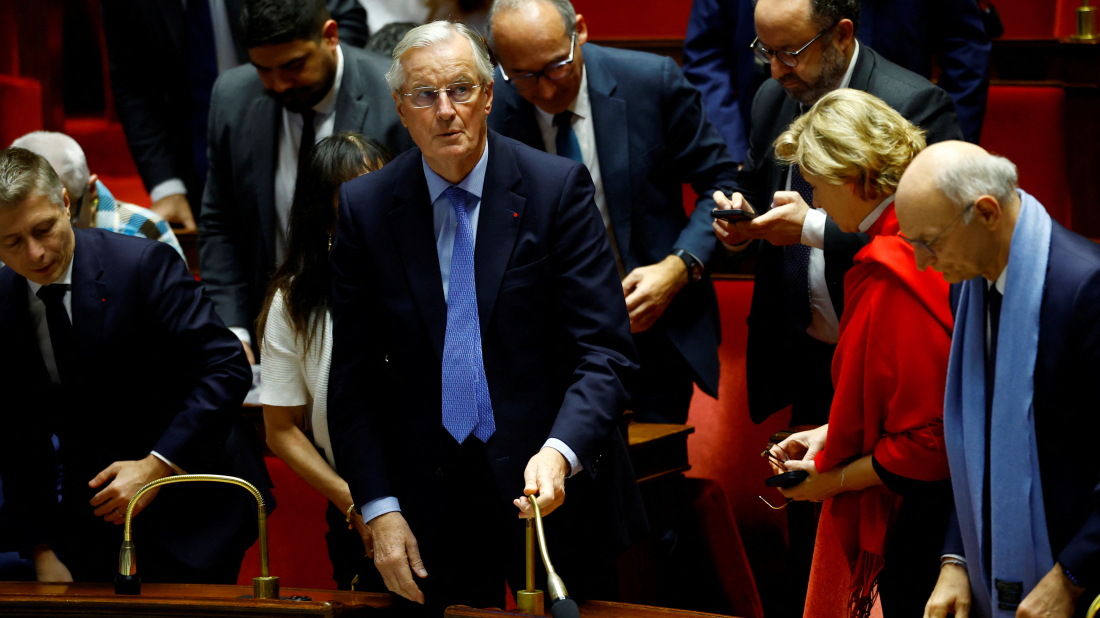
Opposition lawmakers in France have brought down Prime Minister Michel Barnier's government in a historic no-confidence vote on Thursday. Calls for President Emmanuel Macron's resignation are now growing, deepening the country's political crisis.
The proposed budget, totaling sixty billion euros, was met with strong opposition from both the far-right and left-wing lawmakers, who argue that the measures would disproportionately impact the French public. The budget, which aims to address France’s growing financial challenges, has sparked widespread protests and calls for government accountability. This is the first time since 1962 that a French government has lost such a vote.
Marine Le Pen, leader of the far-right National Rally (RN) party, discussed the increasing pressure on President Emmanuel Macron. While she did not directly call for his resignation, Le Pen warned that continued disregard for voters' concerns would strengthen the pressure on the president. She suggested that Macron would ultimately have to decide whether to call for early elections or remain in power despite mounting opposition.
"I am not pushing for, I am not asking for the resignation of Emmanuel Macron," Le Pen said. "But if we don’t take the route of respecting the voters and political forces and elections, well, then the pressure on the president will of course be stronger and stronger. But he’s the only one who will make the decision, who will have the last word, on whether he wants the French people to vote again before 2027 or whether he wants to stay on the horse at any price, so to speak."
Meanwhile, the left-wing France Unbowed (LFI) party is calling for Macron’s resignation, accusing him of repeatedly imposing policies that the public has rejected. LFI members argue that Macron’s reforms are geared towards the wealthiest, burdening public services and ordinary citizens.
Mathilde Panot, a member of parliament from the far-left party, stated, "Today, with the no-confidence motion in this government, it is Emmanuel Macron's entire politics that has been defeated, one which was defeated three times in the results of elections, one which persists in wanting to make the people and the public service pay for policy made for the richest, one which must now stop. And to get out of the impasse in which the president has placed the country, there is only one solution, we now ask Emmanuel Macron to leave."
With Prime Minister Barnier's resignation expected, France faces political uncertainty. Without a new parliamentary election until July, the country is at risk of political paralysis, which could delay key decisions, including the approval of the 2025 budget. The situation has left France’s political future in question as both the public and lawmakers demand change.
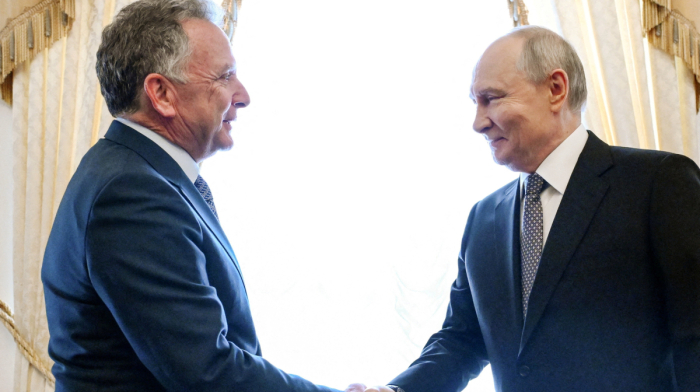
Russia is willing in principle to resume peace talks with Ukraine and the United States in November, Kremlin aide Yuri Ushakov said after President Vladimir Putin met U.S. special envoy Steve Witkoff in St Petersburg.
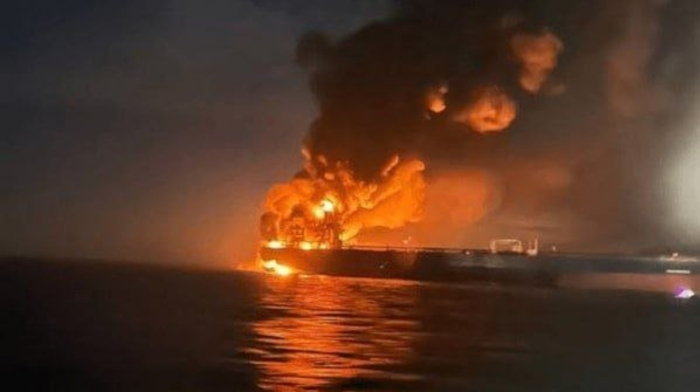
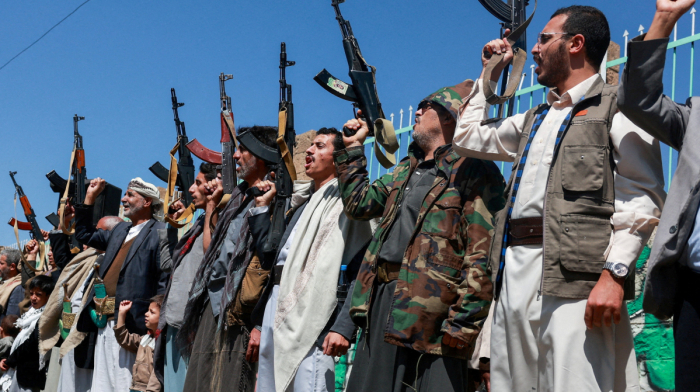
Saudi Aramco has ordered staff to evacuate its headquarters amid escalating Houthi attacks on the kingdom. Two people were killed in an attack on Dammam airport, while Iran's IRGC Navy claimed strikes on seven vessels and warned the U.S. of a wider response.
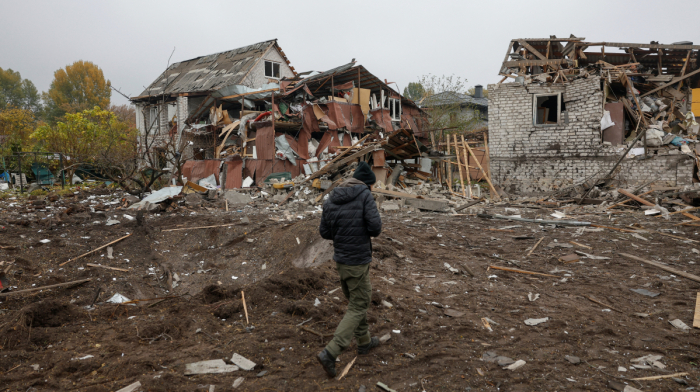
Russian strikes on Ukraine overnight killed at least two people and injured 15 others, including two children, Ukrainian authorities said. Meanwhile, Russia said it had intercepted the vast majority of 630 Ukrainian drones launched towards Moscow.
Yemen's Houthis have denied targeting the holy city of Medina on Wednesday adding that they have not conducted any military operations towards Saudi Arabia either, denying earlier comments from the Saudi-led coalition in Yemen.
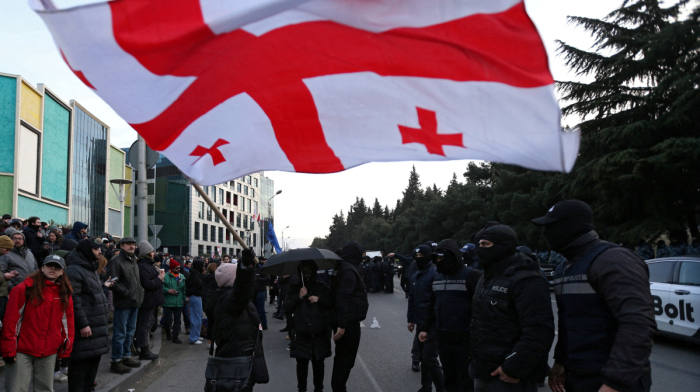
Georgia’s Constitutional Court in Batumi will on Wednesday hear a lawsuit seeking to ban five Georgian opposition parties, four of which collectively gained 784,820 votes (37.79 per cent) in the country’s last national elections in 2024.
Russian strikes on Ukraine overnight killed at least two people and injured 15 others, including two children, Ukrainian authorities said. Meanwhile, Russia said it had intercepted the vast majority of 630 Ukrainian drones launched towards Moscow.
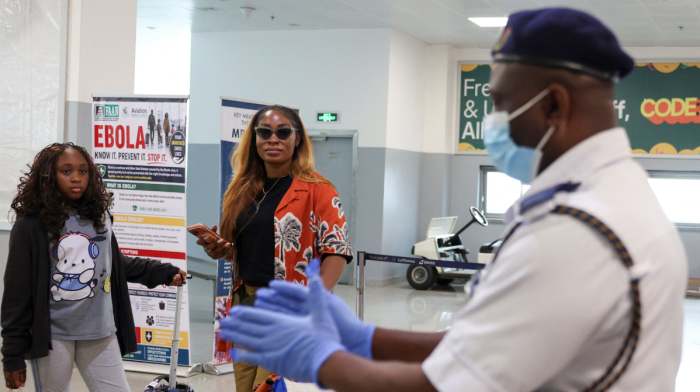
Nigeria's first Ebola case in more than a decade may be linked to travel in Uganda, Swiss authorities said on Thursday, although the source of infection remains unclear. Uganda maintains it has no cases of the disease.
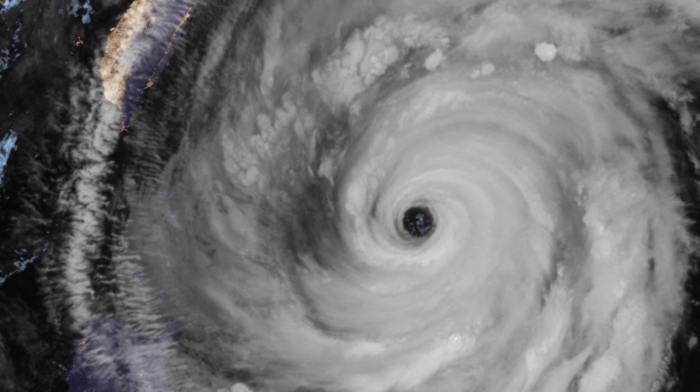
Super typhoon Champi is set to batter Japan’s Okinawa Prefecture from Friday (23 October), bringing violent winds, torrential rain and waves up to 11 metres high, as airlines cancel flights and organisers scrap a major festival.
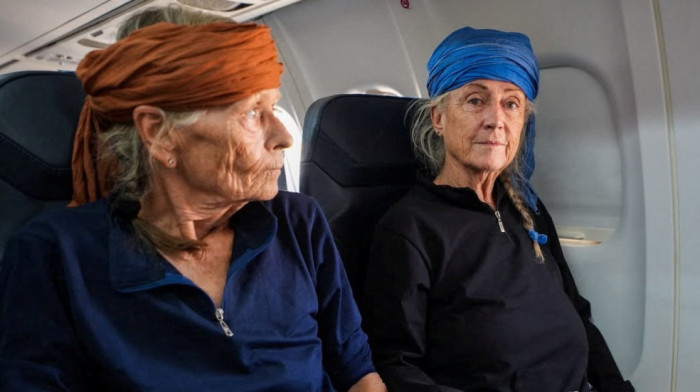
Two women from Austria and Switzerland have been freed after lengthy periods in captivity in Niger, following extensive diplomatic efforts to secure their release amid growing concerns over kidnappings in the Sahel region.
France has reported its first known human case of Shamonda virus following the death of an infected patient, authorities said on Thursday (22 October). The virus, typically found in livestock, is believed to have been transmitted by a biting midge.
Download the AnewZ app
You can download the AnewZ application from Play Store and the App Store.











What is your opinion on this topic?
Leave the first comment