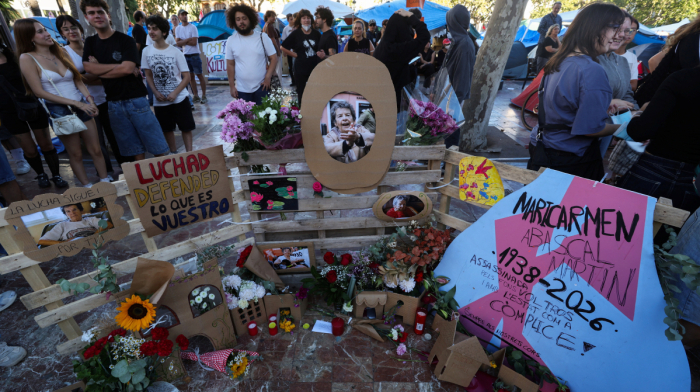
Ukrainians grieve for lost homes and missing loved ones after four years of war
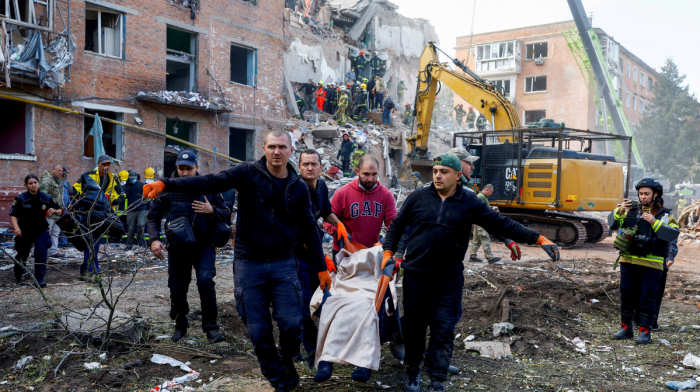
Sixty-five-year-old Halyna Popriadukhina has fled her home three times as Russian troops have marched deeper into eastern Ukraine during four years of...
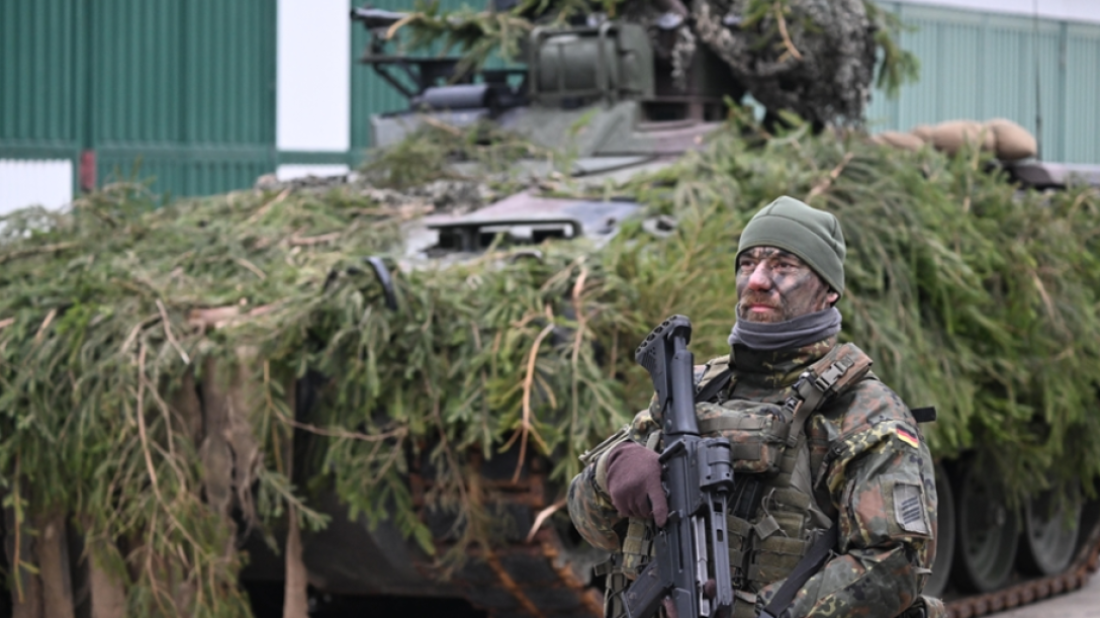
Berlin is preparing a new bill to accelerate arms purchases and prioritize domestic weapons production, aiming to respond swiftly to growing security threats triggered by the Russia-Ukraine war.
The German government is drafting legislation to streamline and speed up its arms procurement process as part of a broader effort to modernize its military in response to escalating tensions in Europe, local media reported on Tuesday.
The proposed bill would exempt new arms contracts from standard EU tendering procedures until 2030, specifically waiving certain environmental regulations and allowing projects to proceed despite pending legal complaints.
The draft law also emphasizes support for domestic production of weapons, ammunition, and military equipment, with the goal of boosting Germany’s defence capabilities and reducing reliance on foreign suppliers.
If passed, the legislation would remain in effect for a decade and is expected to be submitted to parliament for a vote in July.
The move comes amid an intensified arms race in Europe following Russia’s invasion of Ukraine, which led Germany to make an historic shift in its defence policy.
More recently, in March, Germany’s parliament approved a €500 billion special fund for infrastructure and climate, while voting to exclude future defence spending from the country’s constitutional “debt brake” – a move that signals Berlin’s long-term commitment to bolstering national security.

Israel is preparing for the possibility of receiving a green light from the United States to launch strikes against Iran’s ballistic missile system, according to Israel’s public broadcaster KAN.
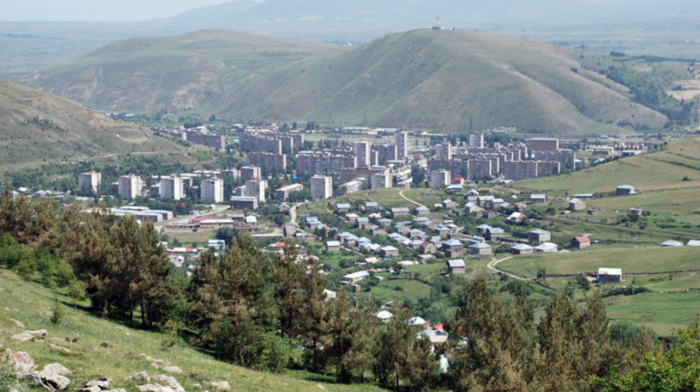
Aghdam’s Qarabag FK experienced a 6–1 defeat to England’s Newcastle United in the first leg of their UEFA Champions League play-off tie in Azerbaijan's capital Baku Wednesday evening (18 February).
U.S. President Donald Trump’s 'Board of Peace' will hold its first leaders’ meeting on Thursday (19 February) in Washington, D.C., launching an initiative aimed at stabilising Gaza and addressing global conflicts. It's drawn support from regional powers but refusals from several EU countries.
U.S.-mediated talks between Russia and Ukraine in Geneva ended after two days of negotiations that Ukrainian President Volodymyr Zelenskyy described as difficult, while signalling progress on the military track.
Russian President Vladimir Putin met Cuban Foreign Minister Bruno Rodriguez in the Kremlin on Wednesday, telling him that new restrictions imposed on the communist-run island were unacceptable.
Sixty-five-year-old Halyna Popriadukhina has fled her home three times as Russian troops have marched deeper into eastern Ukraine during four years of war. Tired of running, she hopes Ukraine can somehow hold them back.
The United States has paid about $160 million of the more than $4 billion it owes to the United Nations, a UN spokesperson said on Thursday. The payment came as U.S. President Donald Trump hosted the first meeting of his 'Board of Peace' initiative, which experts say could undermine the UN.
North Korean leader Kim Jong Un opened the ruling Workers’ Party congress by hailing the past five years as a period of significant progress, while setting out new economic and political goals amid scrutiny over military plans and possible succession signals.
Ukraine could export several billion dollars of military equipment and services this year after authorising its first wartime foreign sales, a senior government official said. The country is also considering introducing a tax on arms exports.
Start your day informed with AnewZ Morning Brief: here are the top news stories for the 20th of February, covering the latest developments you need to know.
You can download the AnewZ application from Play Store and the App Store.
What is your opinion on this topic?
Leave the first comment