U.S. President Donald Trump announced on Wednesday that American personnel are being relocated from parts of the Middle East, citing the region as potentially dangerous. He reaffirmed that the United States will not allow Iran to acquire a nuclear weapon.
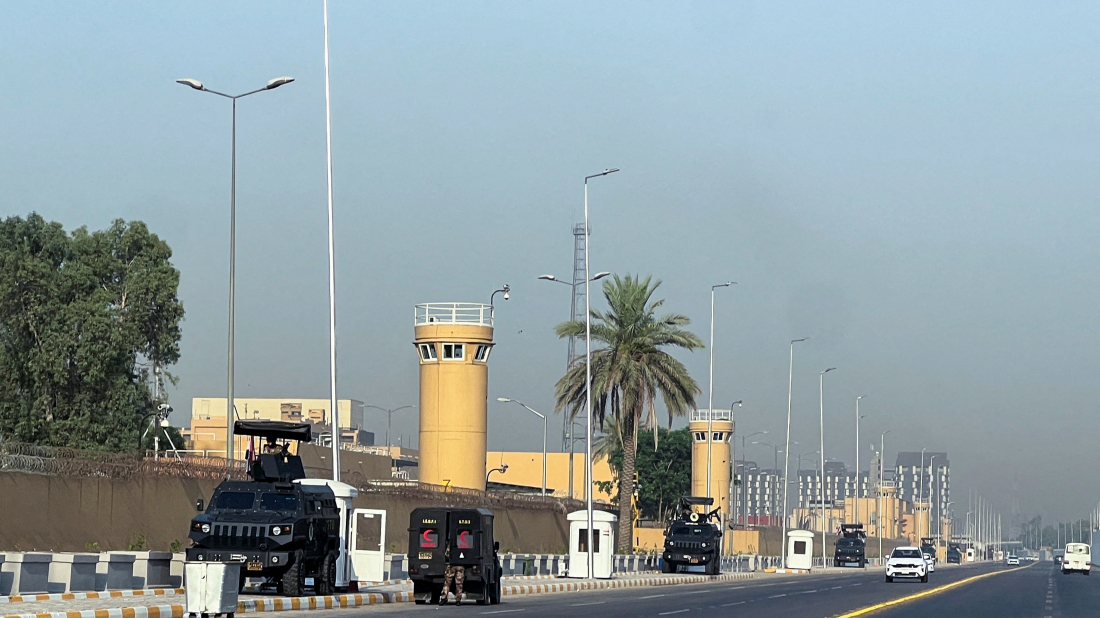
Earlier the same day, Reuters reported that the U.S. is preparing a partial evacuation of its embassy in Iraq and authorising the voluntary departure of military dependents from key locations in the Middle East, including Bahrain and Kuwait. The decision is reportedly driven by elevated regional security concerns, though neither U.S. nor Iraqi sources have disclosed specific threats.
Following news of the evacuation plans, oil prices surged by more than 4%.
In an updated advisory, the U.S. State Department stated that non-essential government personnel were being withdrawn due to heightened tensions. Meanwhile, the embassy in Kuwait clarified that its operations remain unaffected and fully functional.
President Trump, speaking to reporters, said the withdrawal was precautionary: "They are being moved out because it could be a dangerous place, and we'll see what happens". When asked about de-escalation prospects, he firmly replied, "They can't have a nuclear weapon. Very simple".
Efforts to revive nuclear negotiations with Iran appear to have stalled, with Trump recently expressing scepticism over Tehran's willingness to halt uranium enrichment. In parallel, U.S. intelligence reportedly suggests that Israel is preparing for a possible strike on Iranian nuclear facilities.
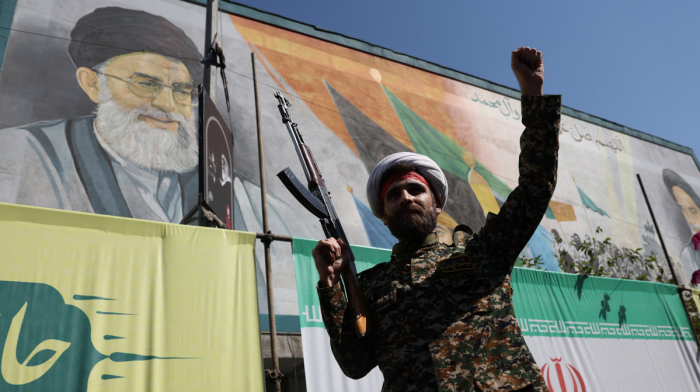
In response, Iranian Defence Minister Aziz Nasirzadeh warned that any attack on Iran would be met with retaliatory strikes on U.S. bases in the region.
The United States maintains a significant military presence across the Middle East, including bases in Iraq, Qatar, Bahrain, Kuwait, and the UAE. While some dependents are being authorised to leave voluntarily, particularly from Bahrain- operations at key sites such as Al Udeid Air Base in Qatar remain unchanged.
A U.S. official noted that the Baghdad embassy evacuation is expected to be conducted via commercial means, though the military stands ready to assist if needed. Iraqi officials, however, say they have seen no local indicators justifying such an evacuation.
The geopolitical backdrop remains tense. Brent crude rose by over $3 to $69.18 per barrel after reports of the U.S. drawdown. Meanwhile, the UK's maritime agency cautioned that rising tensions could increase military activity, posing risks to commercial shipping in strategic waterways such as the Gulf, Gulf of Oman, and Strait of Hormuz.
The UK Foreign Office stated it is closely monitoring the situation and will continue reviewing its diplomatic presence in Iraq.
Since the outbreak of war in Gaza in October 2023, Iranian-backed factions within Iraq have repeatedly targeted U.S. forces, though such incidents have diminished recently. Direct clashes between Israel and Iran occurred twice last year, with both sides exchanging missile and drone attacks across Iraqi airspace.
The United States, aiming to counter Iran’s influence, has bolstered its regional presence in recent months with strategic assets, including B-2 bombers and a second aircraft carrier, although these deployments have since ended.
Nuclear talks between Iran and the U.S. are expected to resume soon. Tehran is preparing a counteroffer after rejecting the latest American proposal. A senior Iranian official told Reuters that military threats have long been part of Washington's negotiating strategy. "Any military action against Iran, whether by the U.S. or Israel, will have serious consequences", the official warned.
Iran's mission to the United Nations posted on X that "threats of overwhelming force won't change the facts: Iran is not pursuing nuclear weapons, and U.S. militarism only deepens instability".
Meanwhile, U.S. CENTCOM Commander General Michael "Erik" Kurilla, who briefed the president on various military options to deter Iran, postponed his scheduled testimony before Congress due to the escalating situation.










What is your opinion on this topic?
Leave the first comment