Trump seeks to intensify economic pressure on Iran - so what are his options?
U.S. President Donald Trump has vowed...
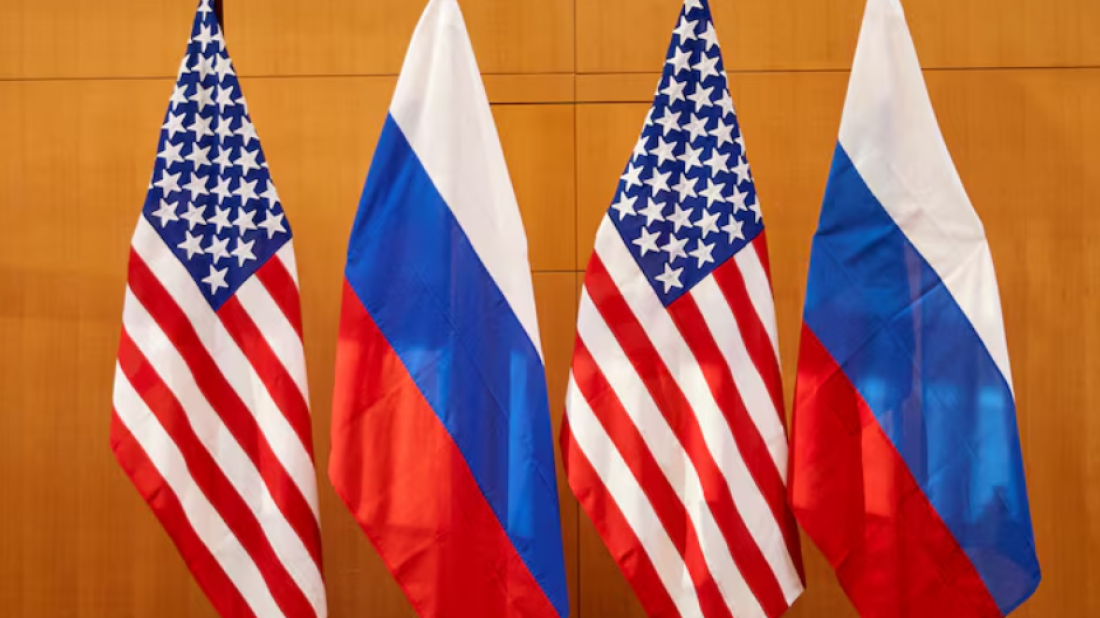
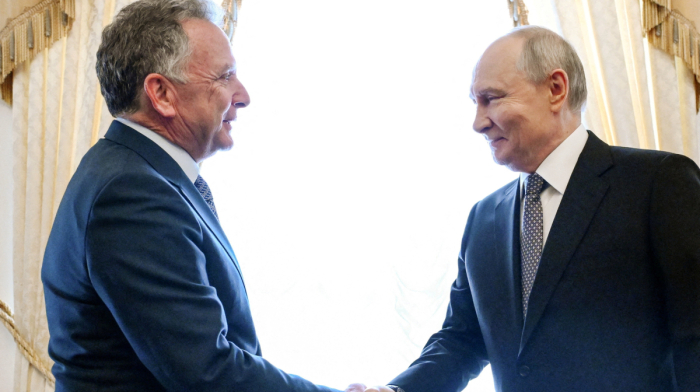
The next phase of Russia-U.S. consultations on resolving diplomatic tensions will take place in Moscow “in the near future,” Russia’s Ambassador to Washington, Alexander Darchiev, confirmed in his first interview since assuming the post in March.
The decision to shift talks from Istanbul to the capitals was made during the most recent round of discussions held on 10 April in Türkiye. Darchiev described it as a “tangible result” in what remains a difficult and lengthy path toward normalizing ties.
While acknowledging the challenges—including pushback from elements within the U.S. administration and Congress—Darchiev said it is important that some progress is being made, even if fragile.
Earlier rounds of talks in Istanbul, held on 27 February and 10 April, focused on easing long-standing diplomatic friction. The delegations, led by Darchiev and U.S. Deputy Assistant Secretary for European and Eurasian Affairs Sonata Coulter, addressed issues such as banking access for embassies, visa procedures, and travel restrictions for diplomats.
Russia has also reiterated its demand for the swift return of diplomatic properties seized in the U.S.—a point Darchiev said remains a top priority in the ongoing talks.
The consultations come amid continued strain in Russia-U.S. relations, but the shift to capital-level dialogue suggests both sides are still looking for limited areas of engagement.

Iran on Saturday denounced U.S. plans to announce new sanctions that could put further strain on the Islamic Republic's economy and have an impact on its most important trading partners including China.
A large-scale drone attack has hit Russia's Samara region, damaging facilities and disrupting operations at an Ozon logistics complex, according to regional authorities and the company.
Ukrainian President Volodymyr Zelenskyy has rejected calls for a wartime election, arguing that holding a vote while Russia's full-scale invasion continues would divide the country and undermine national unity.
U.S. President Donald Trump said Iran was not ready to make what he called the "right deal" with Washington as tensions persisted over the war and the Strait of Hormuz.
Türkiye said on Thursday it would continue helping Syria strengthen its military, despite rising tensions with Israel over Ankara’s role in the country.
Kazakhstanis went to the polls on Sunday in a snap parliamentary election held under the country’s new constitutional system, which replaces the former two-chamber parliament with a single 145-seat legislature known as the Kurultai.
Ukrainian President Volodymyr Zelenskyy has rejected calls for a wartime election, arguing that holding a vote while Russia's full-scale invasion continues would divide the country and undermine national unity.
Syria expects negotiations with Israel over a security agreement to resume soon despite deep mistrust between the two sides, Syrian Foreign Minister Asaad al-Shaibani said in an interview with Reuters, urging Israel to seize an "historic opportunity" as the door for diplomacy is open.
India's Coast Guard and Navy continued search-and-rescue operations off the eastern coast on Sunday after a Panama-flagged cargo vessel carrying 24 crew sank, with two Chinese nationals rescued, a senior official said.
Taiwan President Lai Ching-te has called for continued military strength and national unity during a visit to the sensitive frontline island of Kinmen, saying peace must be protected "through strength."
You can download the AnewZ application from Play Store and the App Store.
What is your opinion on this topic?
Leave the first comment