



12:49 CET
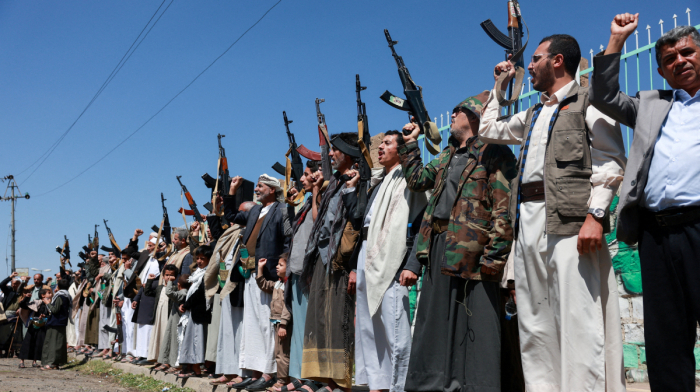
Yemen's Houthis
Three Saudi nationals killed in attacks on Riyadh airport
Saudi Arabia's civil aviation authority ...
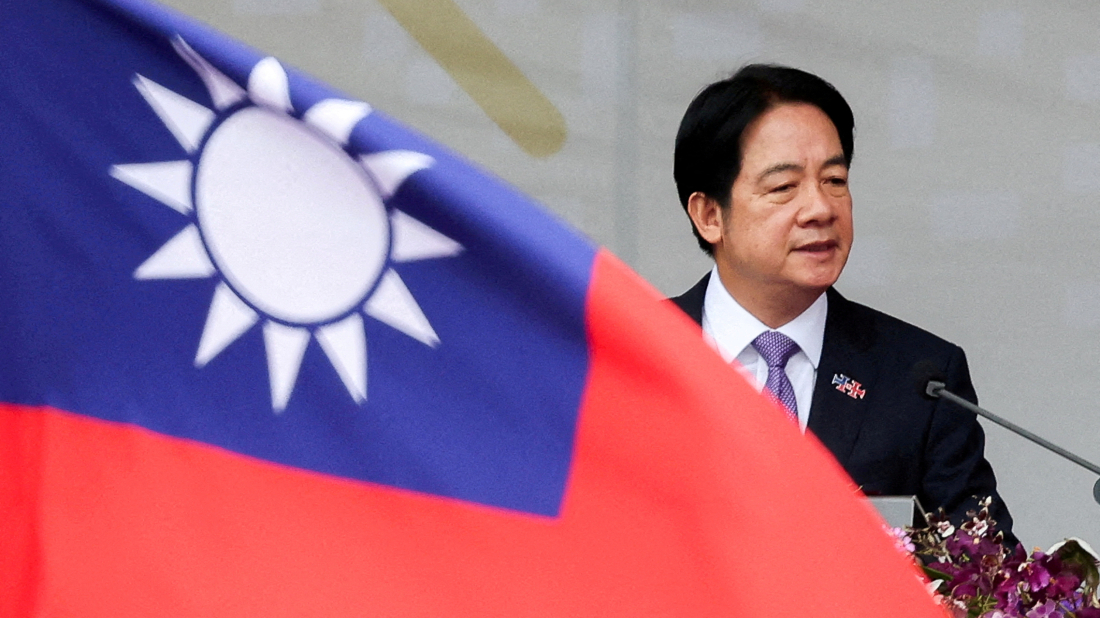


TAIPEI (Reuters) -Taiwan's top China policymaker on Wednesday said Chinese military threats would only drive the two sides further apart, as state media in the island's giant neighbour warned of a strong response to a U.S. visit by Taiwan's president.
China, which claims democratically governed Taiwan as its own territory, has expressed anger at President Lai Ching-te's weekend trip to Hawaii on his way to three countries in the Pacific that maintain formal diplomatic ties with Taipei.
Lai, who is also due to spend one night in the U.S. territory of Guam on Wednesday, is making what are formally only stopovers. However, he spent two days in Hawaii where he met the governor, gave speeches and visited a World War Two memorial.
Security sources have told Reuters that China could stage new war games around Taiwan as early as this weekend in response to the trip.
Speaking to reporters in Taipei, Mainland Affairs Council minister Chiu Chui-cheng said Lai's trip to consolidate friendship with other countries was something Taiwan's public support.
"But the Chinese communists threaten Taiwan with military hegemony, which I think is something our citizens do not agree with," he said.
"This will only cause cross-strait relations to drift further and further away, and which will not be helpful to ties in the future."
The international community should take China's military drills and threats seriously, he added.
Lai and his government reject Beijing's sovereignty claims and say they have a right to engage with the rest of the world.
China calls Lai a "separatist" and has staged two rounds of war games around Taiwan since he took office in May. China's military also operates around Taiwan on a daily basis.
'STRONG COUNTERMEASURES'
In a commentary on its website on Wednesday, Chinese state television said the real purpose of Lai's transits was to "rely on the United States to seek independence" which shows he is the real destroyer of peace in the Taiwan Strait.
"Lai is well aware that his 'transit' in the United States is bound to meet with resolute opposition and strong countermeasures from the mainland side, which will only aggravate the tense situation in the Taiwan Strait," it said.
Taiwan presidents customarily make transit stops in the United States on the way to and from far flung allies in the Pacific, Latin America and the Caribbean in what the United States says is a routine practice done for safety and convenience reasons.
Chinese state television said that was merely an excuse for Taiwan to "legitimise" the trip.
"It is pushing Taiwan step by step into an even more dangerous situation," it added.
Speaking to reporters in parliament in Taipei, Taiwan National Security Bureau Director-General Tsai Ming-yen noted a recent uptick in Chinese military activities in the region, including joint exercises with Russia last week near Japan.
Tsai said China was likely trying to achieve two things.
"One is to test the bottom line of the United States and its allies during the U.S. transition of power," he said, referring to President-elect Donald Trump's inauguration next month.
"The second is that the Chinese communists' military is still in the process of purging its generals internally, and is using the training to divert domestic attention."
China's defence ministry did not immediately respond to a request for comment.
The ministry said last week that Miao Hua, a top-ranking military official had been suspended and was under investigation for "serious violations of discipline".
China's military has undergone a sweeping anti-corruption purge since last year, with at least nine People's Liberation Army generals and a handful of defence industry executives removed from the national legislative body.

Saudi Arabia's civil aviation authority ...
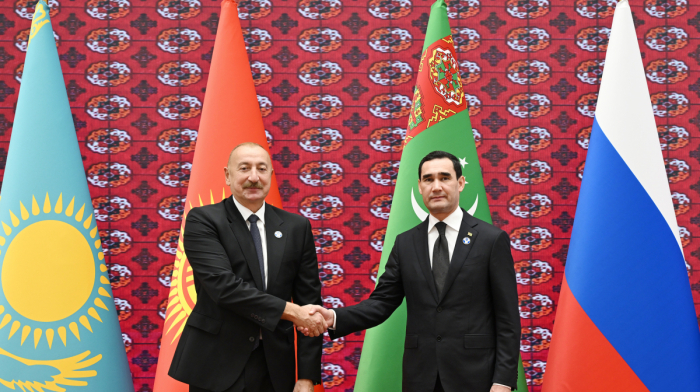
Azerbaijan is prepared to chair the Commonwealth of Independent States (CIS) in 2028, the country's President Ilham Aliyev has said. He made th...

U.S. federal immigration agents shot and wounded a man in a car with a five-year-old boy inside in New York City’s Bronx neighbourhood on Thu...
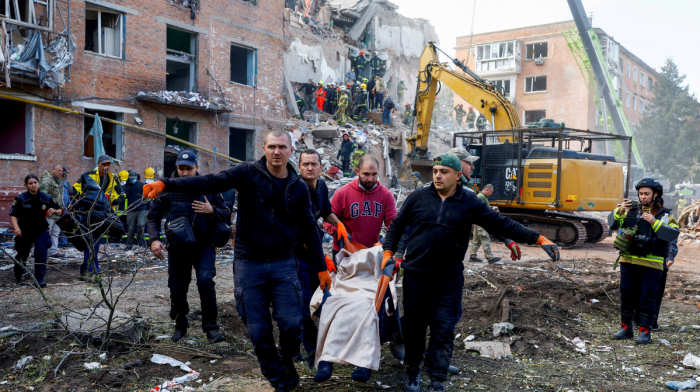
Russia struck Ukraine overnight in one of the biggest attacks of the conflict, killing at least 19 people, Kyiv's Foreign Ministry said on Wednesday. Around 70 missiles were fired at Ukraine during the attack, as well as drones, the Ministry said.
Azerbaijan is prepared to chair the Commonwealth of Independent States (CIS) in 2028, the country's President Ilham Aliyev has said. He made the remarks as regional leaders met at the CIS Council of Heads of State meeting in Awaza, Turkmenistan.
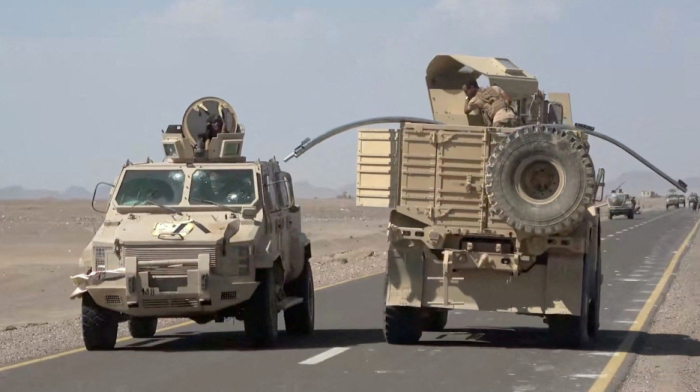
The Saudi-led coalition says it has carried out a series of military operations against Houthi targets in Yemen after attacks on two Saudi airports left three people dead and dozens injured.
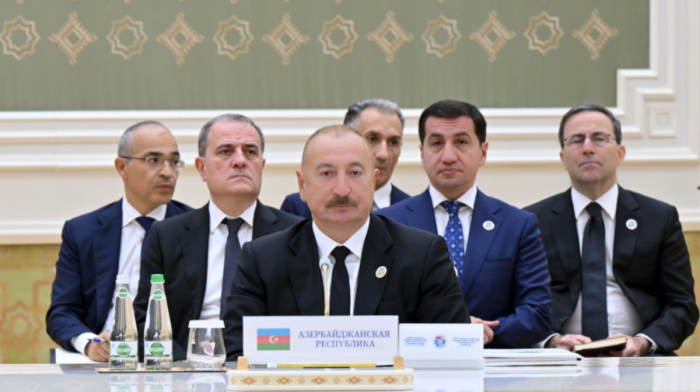
Azerbaijan and the five Central Asian states have signed two key documents at the 8th Consultative Meeting of Heads of State in Turkmenbashi, formalising a broader framework for regional cooperation in transport, trade, energy, digitalisation and security.
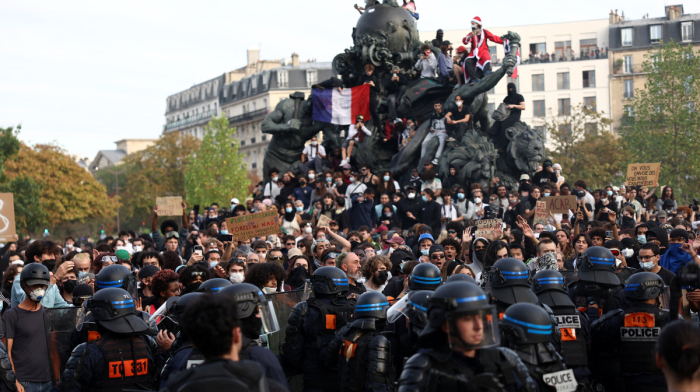
It started with classrooms. Too many students, not enough teachers, deteriorating buildings and growing anxiety over what comes after high school. But within weeks, a movement that began outside French lycées had spread across the country.
U.S. federal immigration agents shot and wounded a man in a car with a five-year-old boy inside in New York City’s Bronx neighbourhood on Thursday, city officials, police and witnesses say.
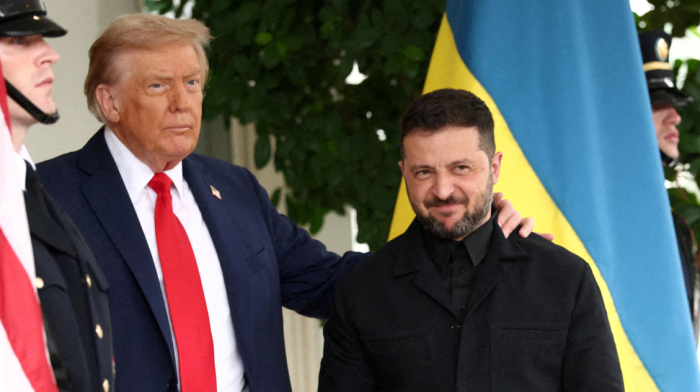
Ukrainian President Volodymyr Zelenskyy has sharply criticised the United States following a series of Russian attacks that killed more than 70 people over two days, arguing that Washington is not doing enough to help Kyiv counter Moscow's continued assault.
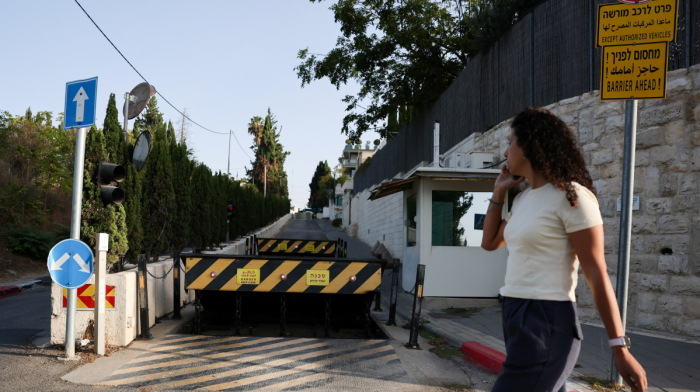
Britain and Israel have reached a temporary compromise over the future of the British Consulate General in East Jerusalem, easing a diplomatic dispute that had threatened to further strain relations between the two countries.
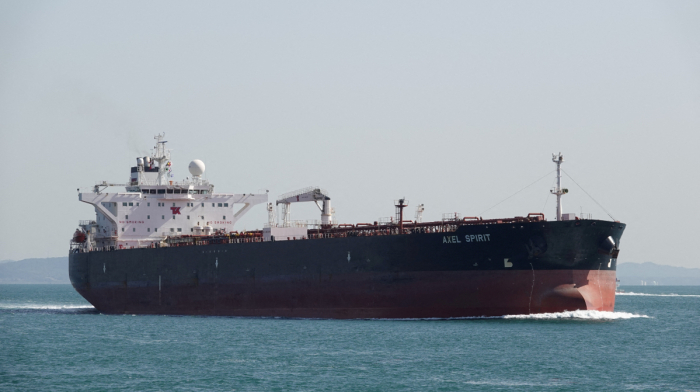
The United States has unveiled a new round of sanctions targeting Iran's energy exports, taking aim at vessels, companies and individuals accused of helping move Iranian crude oil, petroleum products and petrochemicals to overseas markets.
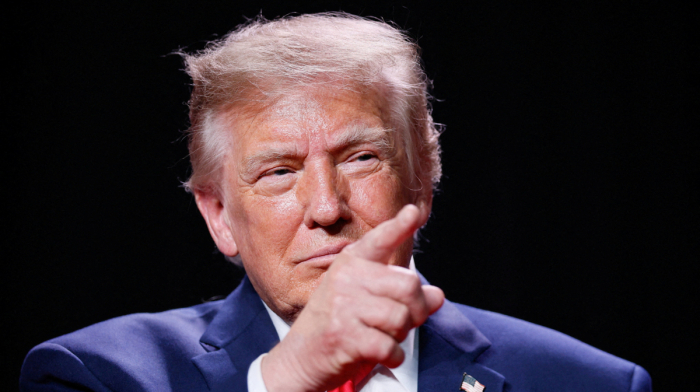
The Trump administration has launched a major expansion of its immigration enforcement agenda, restricting access to a key employment-based green card process for several of the world's largest technology and outsourcing companies.
You can download the AnewZ application from Play Store and the App Store.




What is your opinion on this topic?
Leave the first comment