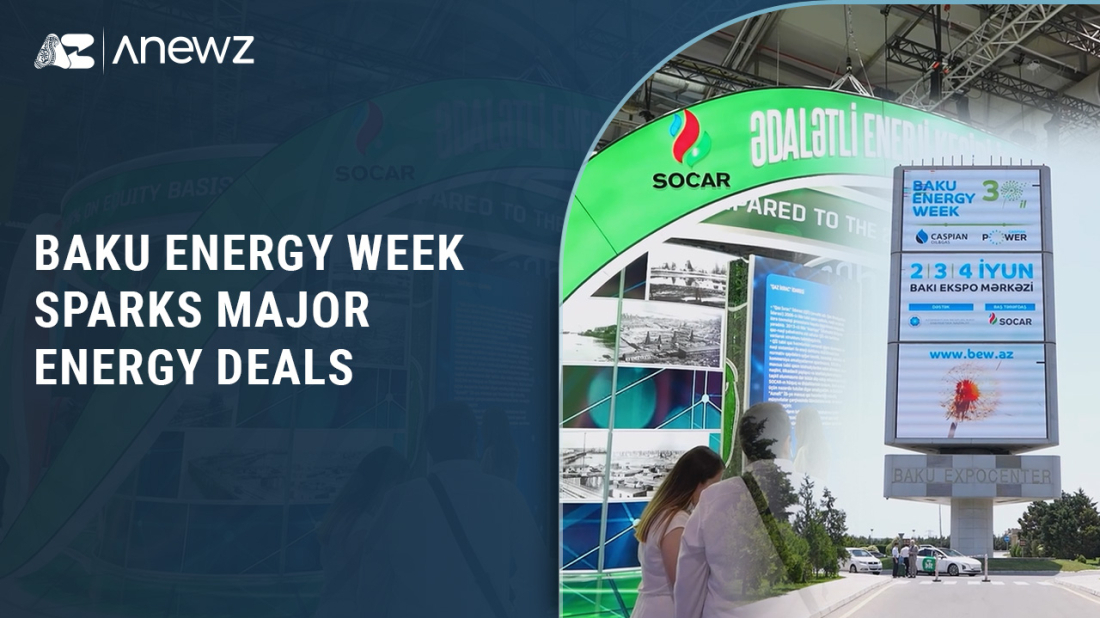
Baku Energy Week 2025 has spotlighted Azerbaijan’s rising energy role, as it secures landmark oil, gas, and renewable energy deals with global partners, reinforcing its commitment to diversification and security.
Azerbaijan has emerged as a central player in global energy cooperation during Baku Energy Week 2025, where a series of high-level agreements have underlined its growing influence in both traditional and renewable energy sectors.
A major highlight of the event was the signing of a gas production-sharing agreement between Türkiye’s state oil company TPAO, Azerbaijan’s SOCAR, and energy giant BP. The deal focuses on the development of the Shafaq-Asiman offshore block in the Caspian Sea, where TPAO has acquired a 30% stake. The project is expected to significantly boost Azerbaijan’s offshore gas production capabilities.
Commenting on the agreement, Türkiye’s Minister of Energy and Natural Resources Alparslan Bayraktar stated:
“Turkish Petroleum is entering the Shafag-Asiman field as a partner. We have acquired a 30 percent stake. We will start production in this field together with our usual partners SOCAR and bp. We are also discussing other fields in the Caspian Sea. Our efforts in this area will continue to grow.”
Further strengthening Azerbaijan’s energy partnerships, Exxon Mobil and SOCAR signed a separate agreement to explore onshore oil and gas production in the country. In addition, BP is expected to expand its operations by acquiring stakes in new offshore fields, according to sources close to the matter.
On the renewable energy front, Azerbaijan and BP have agreed to build a 240-megawatt solar power plant in the Karabakh region. The $200 million project is set to be completed by mid-2027, marking a significant step toward energy diversification and sustainable regional development.
These agreements reflect Azerbaijan’s dual strategy of advancing fossil fuel cooperation while accelerating investment in renewable infrastructure. As global energy markets evolve, the country continues to position itself as a reliable partner and a key contributor to energy security.
Typhoon Champi swept past Taiwan on Saturday, leaving one person dead and more than 500 injured as strong winds and torrential rain brought down trees, cut power and disrupted transport across the island.
French President Emmanuel Macron on Friday described a deadly shooting in the towns of Trappes and La Verrière, west of Paris, as a racist attack and ‘a turning point’ for the country.
Israeli forces have maintained a tight closure on Hebron in the occupied West Bank for a second day, with Palestinian media reporting home raids, mass detentions and dozens of residents forced outside following a shooting incident the day before.
German police have detained a suspect after a major fire broke out at the historic Kehlsteinhaus, known as the “Eagle’s Nest”, a mountain retreat once used by senior Nazi officials, including Adolf Hitler.
Brazil's President Luiz Inacio Lula da Silva won the presidential runoff vote on Sunday, the country's electoral court said, defeating right-wing Senator Flavio Bolsonaro to secure an unprecedented fourth non-consecutive term.
Venezuelan opposition leader María Corina Machado has returned to the South American nation almost a year after she secretly left the country to travel to Norway for the Nobel Peace Prize ceremony.
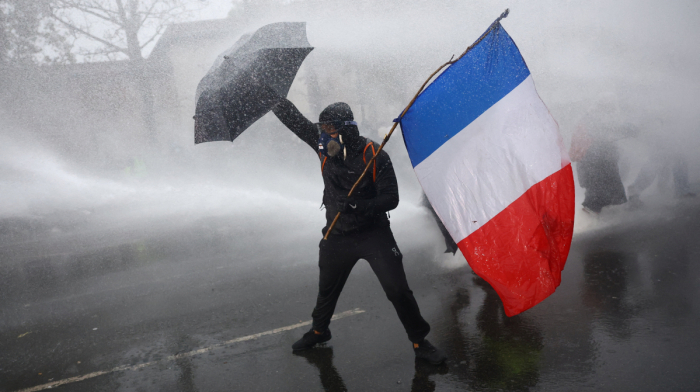
Riot police fired tear gas at protesters in France’s largest cities and more than 1,300 people were arrested during demonstrations against the rising cost of living on Saturday (24 October). Police also used a water cannon on a group of around 500 hooded youths in Paris, after the main rally ended.
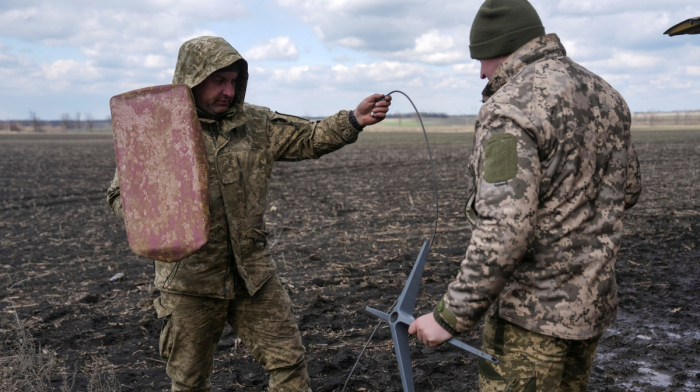
Ukraine's military has been hit this month by restrictions on Starshield, the military version of SpaceX's Starlink satellite communications system. Its receivers stopped functioning when mounted on fast-moving objects such as drones, jeopardising some combat and air defence missions.
Download the AnewZ app
You can download the AnewZ application from Play Store and the App Store.
















What is your opinion on this topic?
Leave the first comment