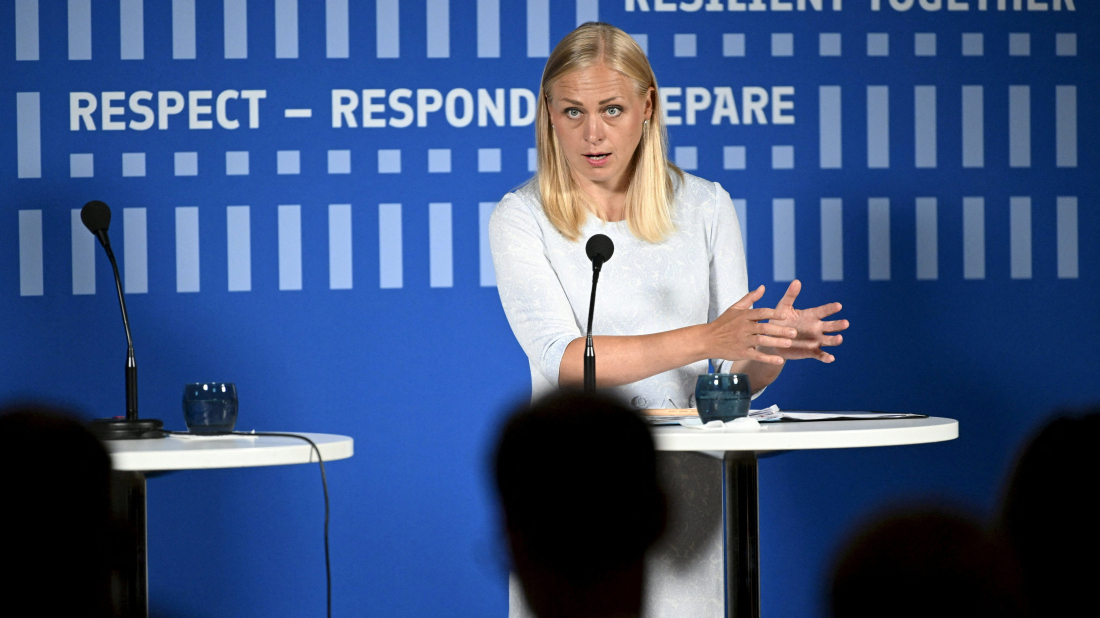
U.S. President Donald Trump should proceed with imposing additional sanctions on Russia, as they could help bring the war in Ukraine to an end, Finland’s Foreign Minister Elina Valtonen said on Friday in a Reuters NEXT Newsmaker interview.
Trump had set a deadline for Friday, demanding that Russia agree to peace in Ukraine or face secondary sanctions targeting its oil buyers. These sanctions could cut off a significant stream of funding for Russian President Vladimir Putin's war effort.
Despite this, a meeting between Trump and Putin could take place as early as next week, following talks between Putin and U.S. special envoy Steve Witkoff in Moscow on Wednesday - raising the possibility that the sanctions might be postponed or cancelled.
However, a White House official stated that the sanctions on countries continuing trade with Russia were still on track to take effect Friday.
“I sincerely hope President Trump follows through with these sanctions,” said Valtonen, referring to measures that could particularly impact major buyers of Russian oil such as China and India.
On Wednesday, Finland’s President Alexander Stubb joined a call with Trump and several European leaders to coordinate Western strategies to end the war.
Valtonen emphasised the importance of continued Western military support for Ukraine, suggesting that the rise in arms deliveries is pressuring Moscow to seek an exit from the conflict, which began in February 2022.
“The increased flow of weapons to Ukraine is clearly putting pressure on Russia, which is why we’re now seeing signs of willingness to negotiate,” she said.
Finland, along with other Nordic and Baltic countries, has been one of Ukraine’s most committed supporters. The 2022 invasion led Finland - sharing a 1,340-km border with Russia to join NATO, ending decades of military non-alignment. Valtonen took office two months after Finland’s accession.
She also noted that Russia’s economy is under growing strain due to sanctions and its wartime spending.
“We need to continue applying pressure and hope that eventually Russia will respond by ending the invasion,” she said.
On Gaza
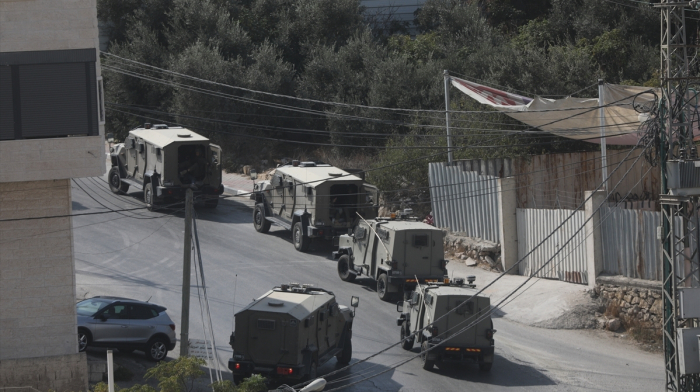
Valtonen also voiced deep concern over Israel’s decision to expand its military operations by taking control of Gaza City - a plan approved by its security cabinet on Friday amid increasing global condemnation of the nearly two-year-long conflict.
Speaking about Israeli Prime Minister Benjamin Netanyahu’s remarks to Fox News that Israel intends to take over the entire Gaza Strip, Valtonen stressed the importance of preserving the possibility of a two-state solution, even if it appears distant now.
France, UK, and Canada have recently indicated plans to recognise a Palestinian state, but Valtonen said Finland is not currently considering such a step.
She added that mutual recognition between Israel and Palestine, as well as normalised relations between Israel and Arab nations, would be essential to any future recognition.










What is your opinion on this topic?
Leave the first comment