Moscow blames Ukraine after five Azerbaijani crew killed in the Sea of Azov
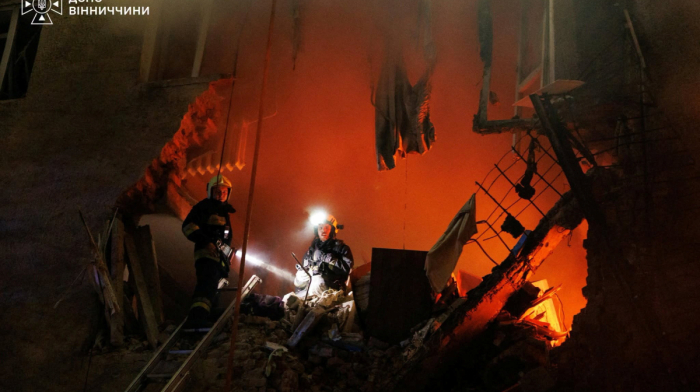
Five Azerbaijani crew members were killed and three others injured after two cargo vessels were hit in a drone attack in the Sea of Azov, Azerbaijan's...
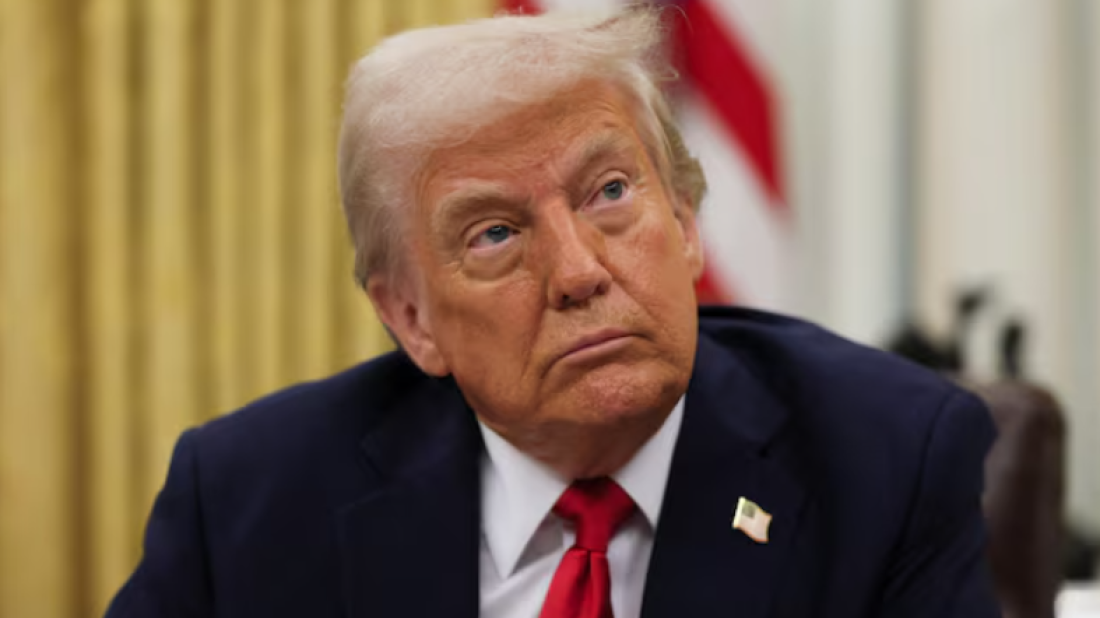
Donald Trump is reportedly considering lifting all Biden-era limits on Ukraine’s military operations, including strikes inside Russia, as Western officials signal growing support for Kyiv following intensified Russian attacks.
US President Donald Trump is “seriously considering” lifting all remaining Biden-era restrictions on Ukraine’s use of Western-supplied weapons, two senior Western officials told Kyiv Post.
“All the previously imposed restrictions - whether already eased or not - are currently under review, as President [Trump] believes the current status quo does not serve our shared interest in bringing Russia to the negotiation table,” one official said.
The potential shift comes amid growing European support for Ukraine’s right to strike military targets inside Russia. On the same day, German Chancellor Friedrich Merz confirmed that range restrictions on weapons supplied to Ukraine had been lifted. The Kremlin called the move “dangerous.”
Merz’s announcement followed a third consecutive night of massive Russian missile and drone attacks across Ukraine.
According to officials, Trump’s final position on Ukraine policy will be shaped during talks with German leaders in Washington this week. German Foreign Minister Johann Wadephul is expected to visit the U.S. capital shortly. He also confirmed that new EU sanctions are in preparation and will likely be supported by the U.S.
Military experts say that lifting the remaining restrictions would mark a significant change in the conflict. Jorge Rivero, a Washington-based specialist on the Russia-Ukraine war, said Ukraine would gain the ability to strike Russian military sites - including drone bases and bomber airfields - with long-range precision.
“This could allow Kyiv to disrupt Russian logistics and command centers deep inside Russian territory,” Rivero explained. “Until now, Western-imposed limits have shielded much of Russia’s military infrastructure. Changing that would alter the balance.”

Iran’s Revolutionary Guards (IRGC) said in a statement that its Aerospace Force did not strike the Kuwait Airport passenger terminal on Wednesday, and that the destruction was instead caused by a failed U.S. Patriot missile.
The new AnewZ documentary, TARGET: Yerevan, builds its explosive case on exclusive, secret recordings originally published by Minval Politika.
Five Azerbaijani crew members were killed and three others injured after two cargo vessels were hit in a drone attack in the Sea of Azov, Azerbaijan's Foreign Ministry said on Friday, as Russia blamed Ukraine for the strike.
Azerbaijan has strongly rejected allegations published by CNN claiming that its territory was used for Israeli military and intelligence operations against Iran, describing the report as entirely baseless and demanding a retraction.
Armenia will hold parliamentary elections on 7 June 2026, a vote that will shape the country’s political direction for the next five years. Understanding how the electoral system converts votes into parliamentary power is key to following the outcome and its wider regional implications.
People across Gaza are facing a worsening humanitarian crisis, with millions struggling to access food, clean water, shelter and medical care as the conflict continues.
The United States has announced an additional $38 million to support efforts to contain the Ebola outbreak in the Democratic Republic of Congo, as health officials warn that the virus could spread further without stronger action.
More than 6,000 people gathered outside a vote-counting centre in Seoul on Friday night, demanding this week’s local elections be repeated after ballot shortages left some voters unable to cast their ballots.
The next time a goal goes in during a Champions League final, fans around the world could watch it from every angle at once — frozen, rotated and replayed in ways that were impossible only a few years ago.
An ageing, poorly insured shadow armada now accounts for around one-sixth of the world's tanker fleet. Hidden by design and fraught with risk, it operates beyond conventional oversight. A maritime law expert explains how it works, who profits, and why much of the world looks the other way.
You can download the AnewZ application from Play Store and the App Store.
What is your opinion on this topic?
Leave the first comment