live U.S. to apply measures 'never seen before' on Iran, Trump official says
The U.S. will impose "never seen before" measures on Iran in order to economically isolate the country, Washington's Treasury Secreta...
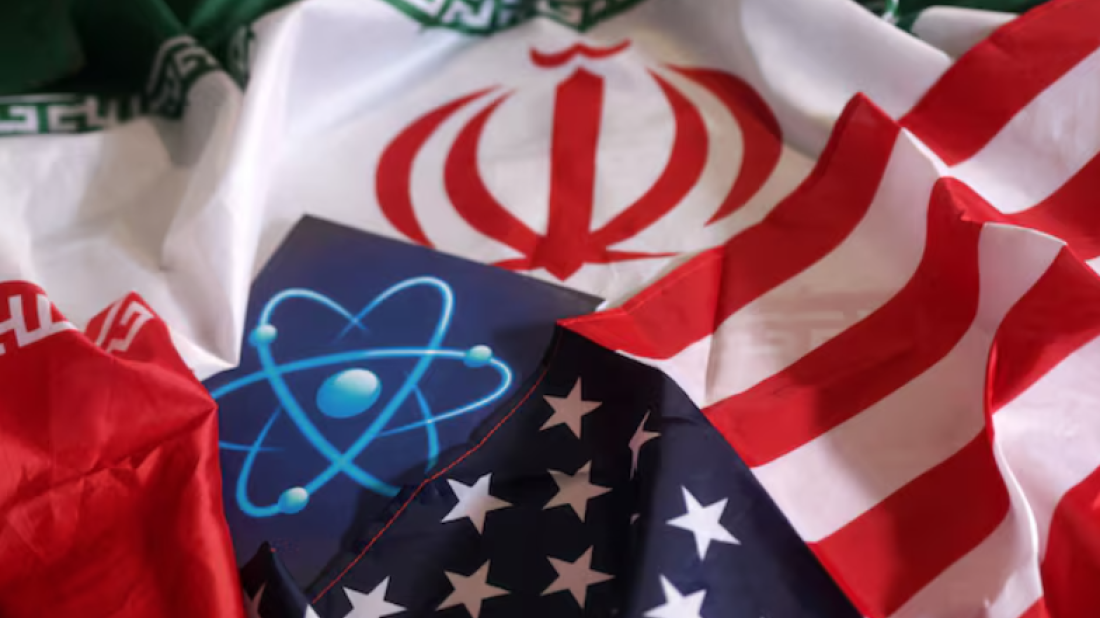
Iran and the United States will hold the fifth round of indirect nuclear negotiations in Rome on Friday, with Oman continuing its role as mediator. The talks come amid ongoing skepticism from Tehran and Washington’s push for a tougher deal.
The fifth round of indirect nuclear talks between Iran and the United States will be held in Rome on Friday, Omani Foreign Minister Badr Albusaidi announced in a brief statement on Wednesday evening.
Oman, which has long played a mediating role in regional diplomacy, is again facilitating the discussions between the two sides. The latest talks mark a continuation of the quiet diplomatic efforts resumed last month to address concerns over Tehran’s nuclear ambitions.
The previous round of negotiations took place on May 11 in the Omani capital, Muscat.
Tensions over Iran’s nuclear program have persisted since U.S. President Donald Trump unilaterally withdrew the United States from the 2015 Joint Comprehensive Plan of Action (JCPOA) in 2018, calling for a tougher and more comprehensive deal. Trump maintains that Washington will not allow Iran to develop a nuclear weapon.
Iran, for its part, has continued to insist that its nuclear activities are for peaceful purposes. However, skepticism remains on both sides about the potential outcome of the renewed dialogue.
Iran’s Supreme Leader Ayatollah Ali Khamenei voiced his doubts earlier this week, saying he does not expect the negotiations to lead to “any meaningful outcome.”

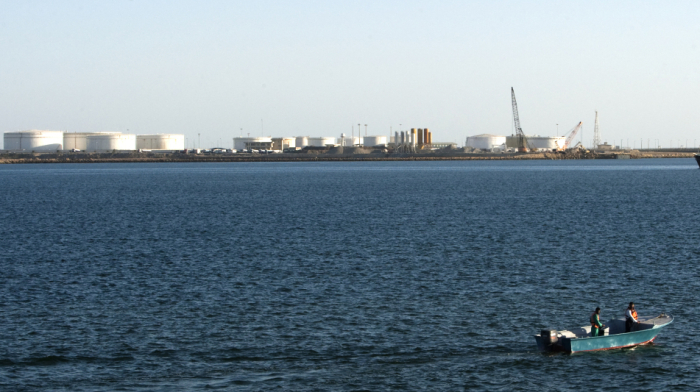
Disruption in the Strait of Hormuz has increased the strategic importance of Bab al-Mandab, raising fears that instability in both waterways could trigger a wider global energy and trade crisis.
Flights at Catania airport in Sicily will remain suspended until early Friday as ash from Mount Etna continues to disrupt air travel, following hundreds of cancellations and diversions over the past week.
Iran says the Strait of Hormuz remains under its control, rejecting U.S. President Donald Trump’s claim of “total control” over the strategic waterway and insisting it will not reopen until Washington fulfils its commitments under an interim deal.
Iran and the United States remain at loggerheads over efforts to agree a permanent end to the war in the Gulf, according to a senior Iranian source who said there had been no progress in talks to revive the interim deal agreed in June and define a timeframe to implement it.
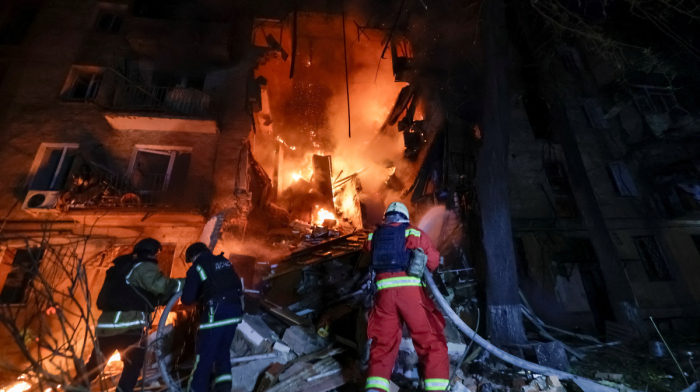
Russia has accused Ukraine of threatening global grain supplies after recent strikes on Black Sea agricultural infrastructure, while Moscow carried out a new overnight attack on Ukraine’s major Danube port of Izmail.
President Donald Trump has ordered the U.S. Navy to abandon its next planned electromagnetic aircraft launch system and return to steam-powered catapults on a future aircraft carrier, while also authorising limited overseas ship construction to help address naval capacity shortfalls.
A diplomatic dispute has erupted between Cuba and the Dominican Republic after Santo Domingo ordered the withdrawal of several Cuban diplomats and their family members, prompting a sharp response from Havana.
Brazil has taken the first formal step towards potential retaliatory action against the United States following the Trump administration's decision to impose new tariffs on Brazilian exports, signalling a further deterioration in relations between the two countries.
U.S. Defense Secretary Pete Hegseth said on Thursday that reports about poor conditions aboard aircraft carrier the USS Abraham Lincoln in the Middle East were "completely misrepresented."
One person has been killed and six others injured after an explosion at a petroleum storage facility at the Port of Rotterdam, prompting an investigation into the cause.
You can download the AnewZ application from Play Store and the App Store.
What is your opinion on this topic?
Leave the first comment