Russian grain and fertiliser train departs Azerbaijan for Armenia
A freight train carrying Russian grain and fertiliser has departed Azerbaijan for Armenia, continuing transit flows across the South Caucasus....
Tensions flare in the India-France Rafale deal as France refuses to share the fighter jet’s source code, limiting India’s ability to integrate indigenous weapons and reducing its combat autonomy.
Tensions have resurfaced in the India-France Rafale fighter jet deal as France has declined to provide India with access to the jets' critical source code. Despite sustained diplomatic efforts, Dassault Aviation remains firm, citing intellectual property concerns.
The refusal limits India’s ability to integrate indigenous weapons like the Astra and Rudram missiles into the Rafale platform, undermining the country’s "Atmanirbhar Bharat" (Self-Reliant India) defense initiative aimed at boosting domestic military capabilities.
The source code is vital to the jet’s radar, targeting, and electronic warfare systems. Without it, India must rely on French cooperation for any upgrades, reducing its combat autonomy.
While France defends its position on proprietary technology grounds, Indian defense experts view the move as a setback to strategic trust, especially given the cost and political sensitivity of the original deal.
The Rafale, despite the controversy, remains a highly capable platform, featuring advanced radar, electronic warfare systems, and supercruise capabilities, but the latest dispute highlights the strategic limits of imported defense hardware.

A report published by Minval Politika has raised new questions over alleged efforts by Luis Moreno Ocampo to shape international pressure against Azerbaijan and influence political dynamics around Armenia.
A Pentagon official provided the first official estimate of the cost of the U.S. war in Iran on Wednesday (29 April), telling lawmakers that $25 billion had so far been spent on the conflict, most of it on munitions. Earlier, Donald Trump said that the U.S. had "militarily defeated" Tehran.
Shares in Meta Platforms fell sharply in extended trading on Wednesday after the tech giant raised its annual capital spending forecast by billions of dollars.
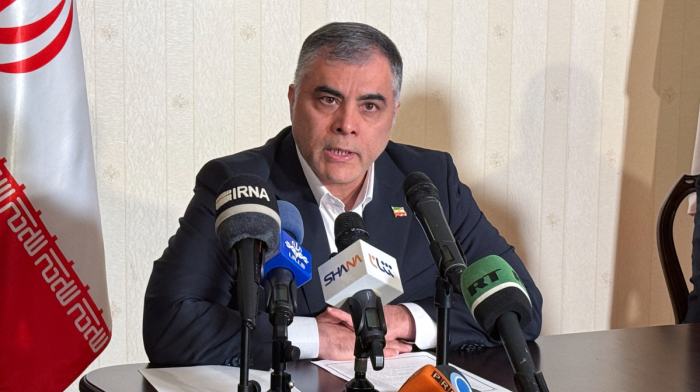
Iran’s Supreme Leader Mojtaba Khamenei warned “foreigners who commit evil” have no place in the Gulf, outlining a “new phase” for the Strait of Hormuz, while a senior adviser said U.S. blockade efforts would fail and could trigger confrontation.
Tensions between the United States and Iran remain high after a U.S. official said President Donald Trump was unhappy with a proposal from Tehran that does not deal with its nuclear programme. Washington is insisting that any talks must address Iran’s nuclear activities.
China has passed a new law aimed at ensuring its most vulnerable citizens are not left without support.
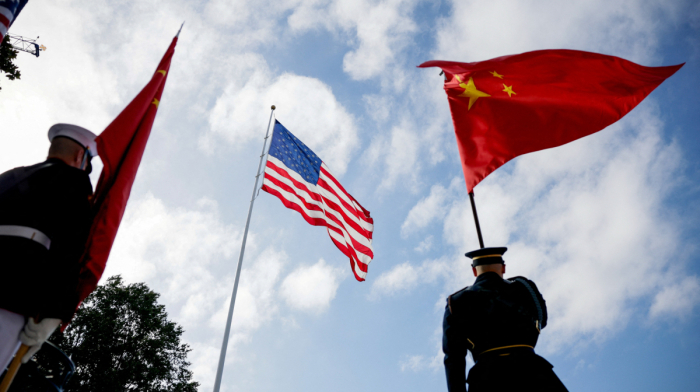
China has warned the U.S. that Taiwan will dominate next month’s summit in Beijing, raising pressure on Washington and concern in Taipei over any shift in long-standing American policy.
Shares in Meta Platforms fell sharply in extended trading on Wednesday after the tech giant raised its annual capital spending forecast by billions of dollars.
From Thursday, 1 May, goods from every African country with diplomatic ties to China will be able to enter the Chinese market without paying import duties.
Start your day informed with the AnewZ Morning Brief. Here are the top stories for the 30th of April, covering the latest developments you need to know.
You can download the AnewZ application from Play Store and the App Store.
What is your opinion on this topic?
Leave the first comment