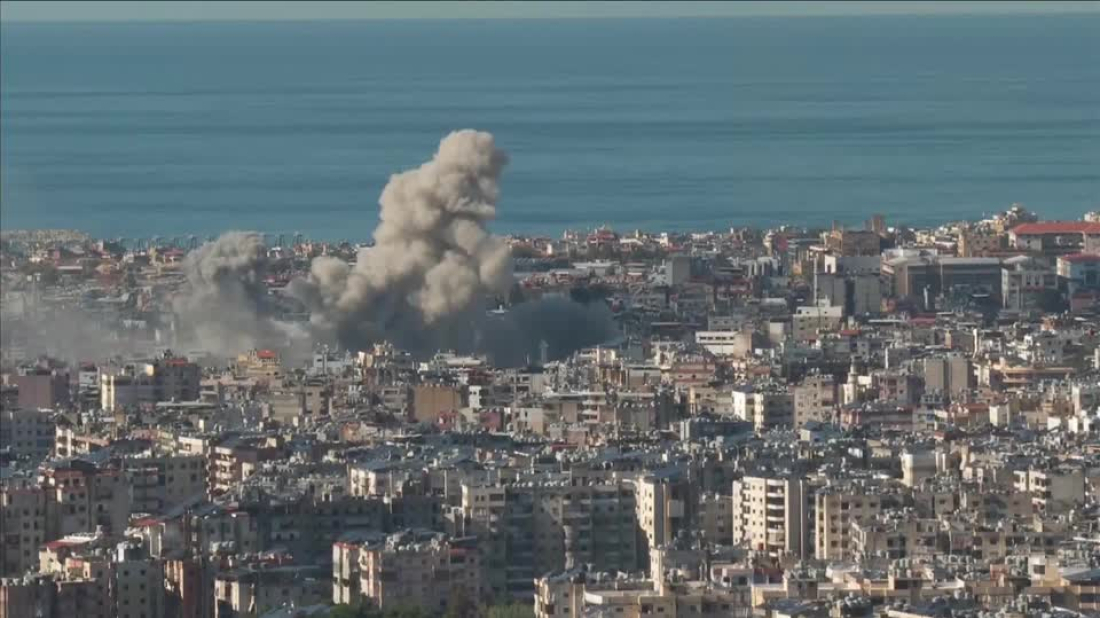
A ceasefire between Israel and Hezbollah took effect on Wednesday, offering hope for peace after more than a year of conflict. Brokered by the U.S. and France, the deal aims to end violence that escalated after the Gaza war, though its lasting success remains uncertain.
The two-month ceasefire agreement requires Hezbollah to pull back from southern Lebanon, while Israeli forces are to retreat to their side of the border. An international panel, led by the United States, will oversee the implementation of the truce, with Israeli Prime Minister Benjamin Netanyahu warning that any violations by Hezbollah would be met with force.
In a rare diplomatic move, Hezbollah did not engage directly in the ceasefire talks, with Lebanese parliamentary speaker Nabih Berri acting as an intermediary.
Reactions to the ceasefire in Beirut have been mixed, with many residents expressing cautious optimism, while others remain doubtful about the deal's durability. Similarly, in Israel, the mood is one of guarded hope, with some citizens optimistic about the possibility of peace, but others worried about the fragile nature of the agreement.
As both nations brace for what lies ahead, this ceasefire provides a fragile moment of respite in a conflict that has already claimed thousands of lives. Whether this agreement will bring lasting peace or only a temporary break in the violence is still to be seen.
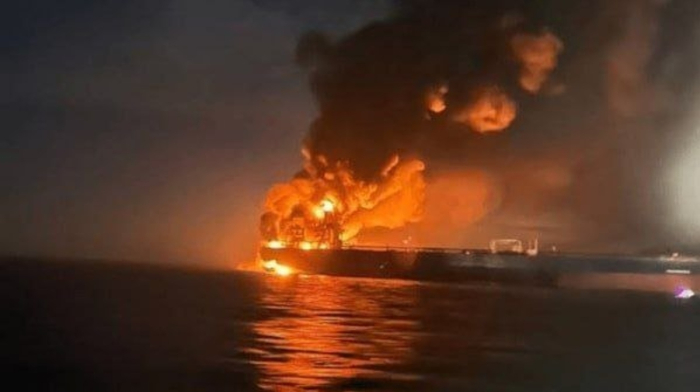
Saudi Aramco has ordered staff to evacuate its headquarters amid escalating Houthi attacks on the kingdom. Two people were killed in an attack on Dammam airport, while Iran's IRGC Navy claimed strikes on seven vessels and warned the U.S. of a wider response.
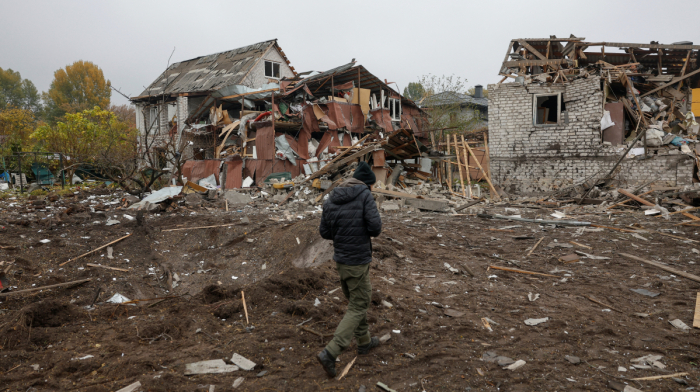
Russian strikes on Ukraine overnight killed at least two people and injured 15 others, including two children, Ukrainian authorities said. Meanwhile, Russia said it had intercepted the vast majority of 630 Ukrainian drones launched towards Moscow.
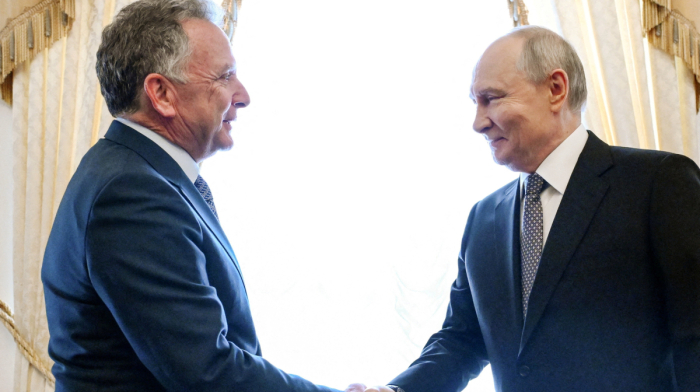
Russia is willing in principle to resume peace talks with Ukraine and the United States in November, Kremlin aide Yuri Ushakov said after President Vladimir Putin met U.S. special envoy Steve Witkoff in St Petersburg.
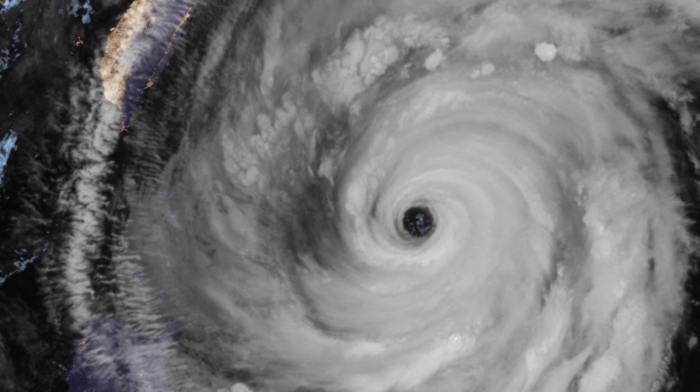
Super typhoon Champi is set to batter Japan’s Okinawa Prefecture from Friday (23 October), bringing violent winds, torrential rain and waves up to 11 metres high, as airlines cancel flights and organisers scrap a major festival.
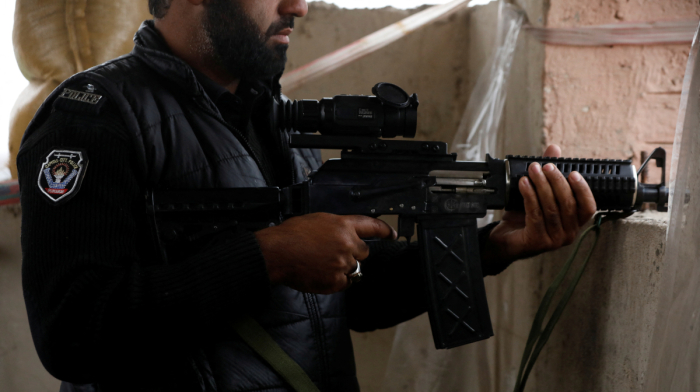
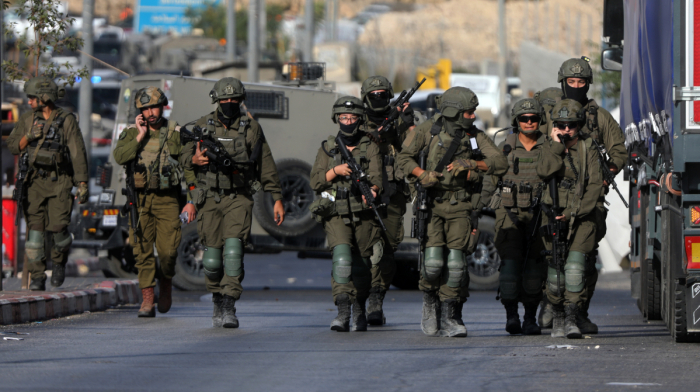
Israeli military bulldozers have begun demolishing buildings in the West Bank city of Hebron on Friday, 23 October, following armed clashes with Palestinians that left two Israeli soldiers dead, according to the Israeli military.
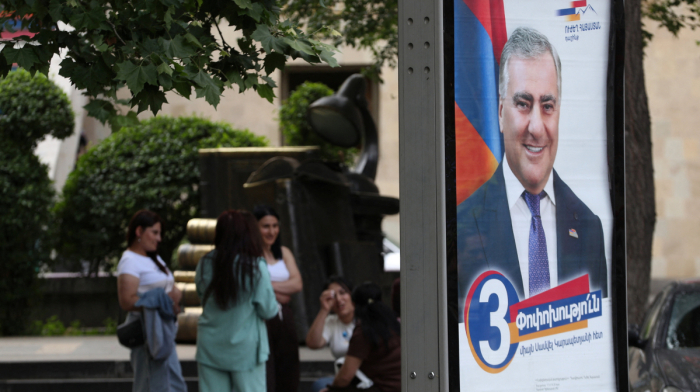
Armenian authorities have detained 10 more people in a vote-buying investigation involving the opposition Strong Armenia party, just two days before local elections in the northern town of Stepanavan.
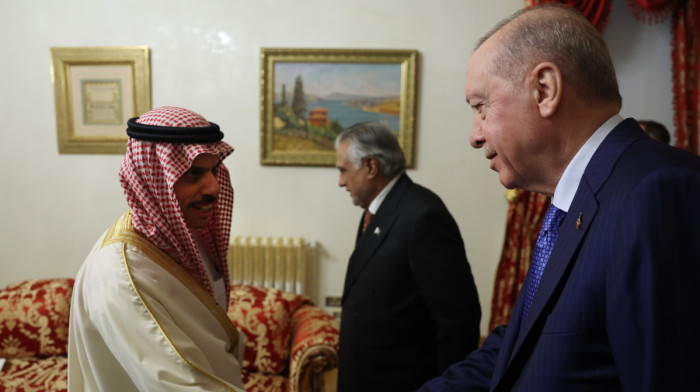
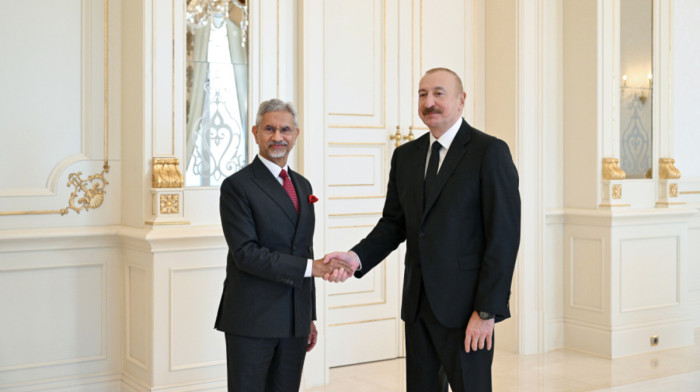
Azerbaijani President Ilham Aliyev met India’s Minister of External Affairs in Baku for talks on strengthening bilateral relations, with a focus on trade, investment, energy and technology.
Israeli military bulldozers have begun demolishing buildings in the West Bank city of Hebron on Friday, 23 October, following armed clashes with Palestinians that left two Israeli soldiers dead, according to the Israeli military.
Greece’s parliament has passed a bill banning under-15s from using social media from 1 January 2027, as the country steps up efforts to protect children online. The new law will require platforms to enforce age restrictions.
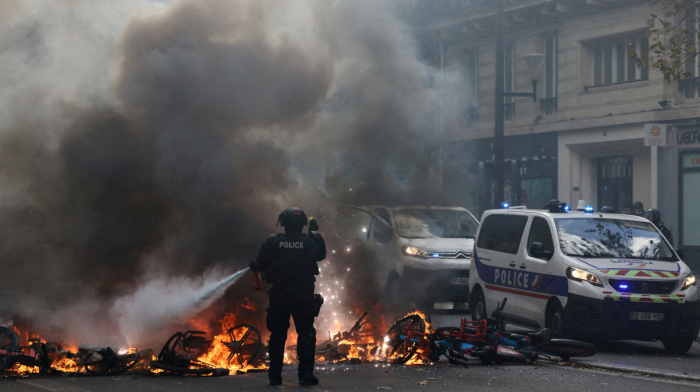
France's Interior Minister Laurent Nunez said on Friday that 70,000 security forces would be mobilised throughout the country to keep order on Saturday, adding there have been calls for looting and violence from the ultra-left.
Download the AnewZ app
You can download the AnewZ application from Play Store and the App Store.












What is your opinion on this topic?
Leave the first comment