An early morning explosion in Lahore has heightened uncertainty in South Asia, coming at a time of rising diplomatic and military strain between India and Pakistan.
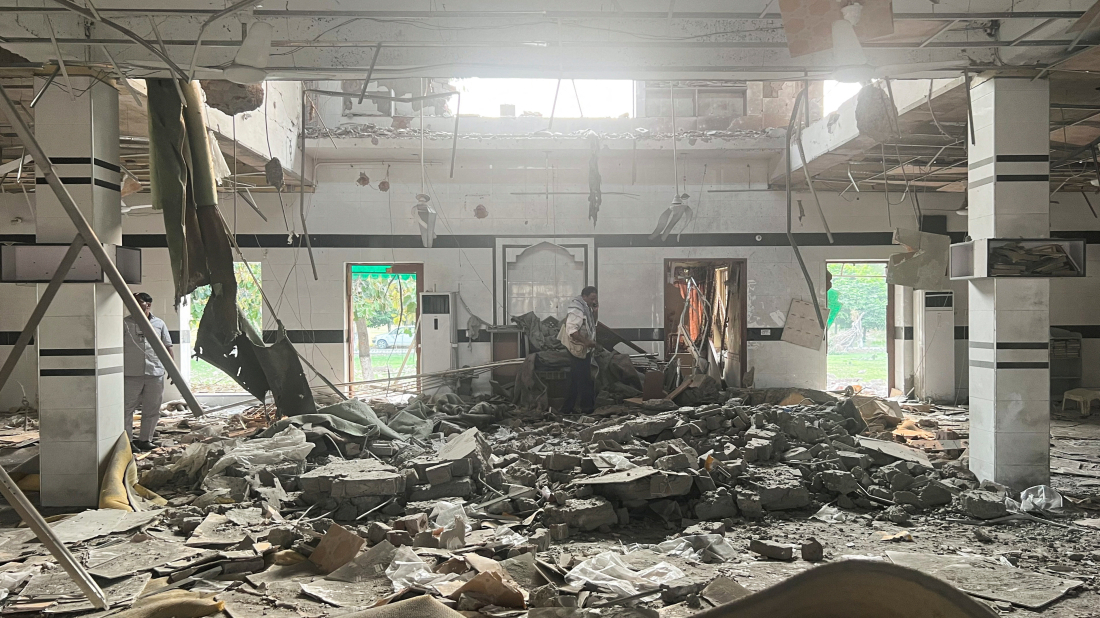
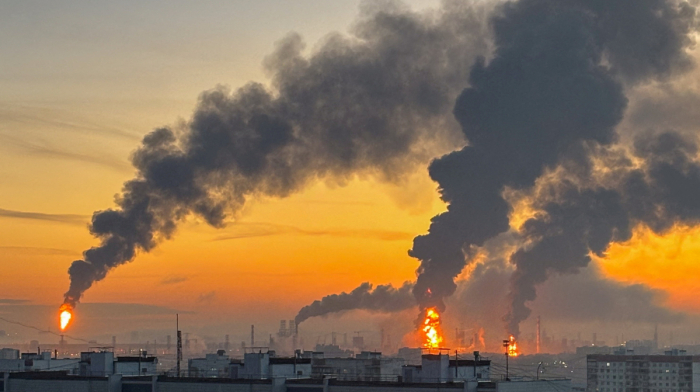
A blast was reported in Lahore, eastern Pakistan, on Thursday morning, according to Geo TV and a Reuters witness. The incident occurred a day after Indian missile strikes targeted multiple locations in Pakistan, prompting widespread concern over a possible escalation in hostilities between the nuclear-armed neighbours.
There was no immediate explanation for the blast.
India said its strikes targeted “terrorist infrastructure” in Pakistan, two weeks after blaming the country for a deadly assault in Indian-administered Kashmir that killed 26 people, mostly Hindu tourists. Islamabad denied any involvement in the attack and pledged retaliation, later claiming to have downed five Indian aircraft. India dismissed these reports as “misinformation”.
Casualties have been reported on both sides. Pakistan stated that 31 civilians were killed and around 50 injured in the Indian strikes and subsequent cross-border shelling. India reported 13 civilian deaths and 43 injuries.
Though cross-border fire has slightly decreased overnight, Indian officials say military readiness remains high. Blackout drills have been conducted in areas near the Pakistan border, including Amritsar, home to the Sikh faith’s Golden Temple.
Pakistan has seen a partial return to normal life, with schools reopening in some cities. However, Punjab province remains on high alert, with hospitals and emergency services on standby.
Despite pledges of retaliation, Pakistan’s Defence Minister Khawaja Muhammad Asif told The New York Times that Islamabad is prepared to de-escalate. India, meanwhile, warned it would respond to any further actions from Pakistan.
Global leaders have urged both sides to ease tensions. U.S. President Donald Trump expressed hope that the countries could “work it out” and offered support in facilitating peace efforts.
India and Pakistan, both of which gained independence in 1947, have a long history of conflict, having fought three wars—two over the disputed region of Kashmir.
The escalation comes as Pakistan continues its economic recovery. The nation narrowly avoided default in 2023 after securing IMF support amid a financial crisis that battered its $350 billion economy.












What is your opinion on this topic?
Leave the first comment