UK economy grows by 0.3%, faster than expected
The UK economy grew more strongly than expected in November, according to official figures, offering signs of resilience after months of weak performa...
A presidential visit to Central Asia is under consideration, potentially marking a historic first as U.S. ties with the region deepen.
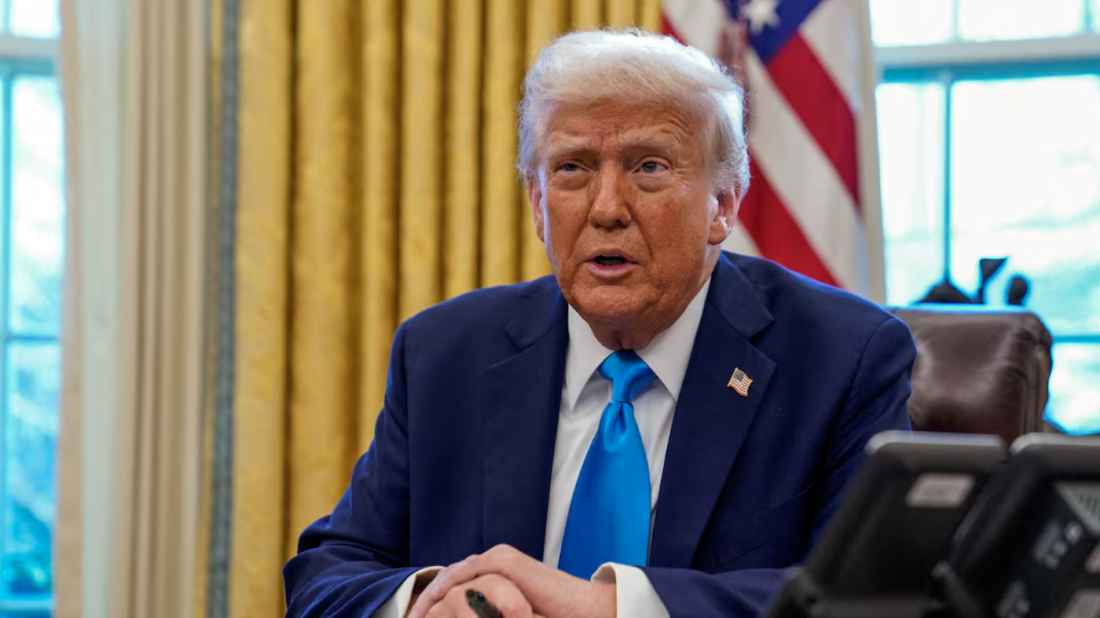
In over thirty years of independence, no sitting U.S. president has ever visited Central Asia. That could change if President Donald Trump accepts an invitation extended by Uzbekistan. U.S. Ambassador to Uzbekistan Jonathan Henick confirmed the invitation and noted that Trump’s team responded positively. He added that the timing is ideal, given current regional and global dynamics.
The potential visit is likely to coincide with the tenth anniversary of the C5+1 summit, a diplomatic platform bringing together the United States and five Central Asian countries. Secretary of State Marco Rubio has previously highlighted the importance of strengthening the initiative amid shifting geopolitical realities.
Central Asia is gaining strategic attention due to its vast mineral resources and growing importance in global supply chains. President Trump has already announced plans to expand domestic rare earth production, and analysts view closer ties with the region as increasingly likely.
Uzbekistan, in particular, is seen as a key partner. It has maintained a relatively neutral foreign policy stance, balancing its relations with both Beijing and Moscow. Washington has backed Uzbekistan’s bid to join the World Trade Organization and last year signed a trade agreement to increase access to U.S. markets.
Though not traditionally a top priority in U.S. foreign policy, Central Asia’s profile is rising. A visit by President Trump would signal a recalibrated approach to the region and possibly a deeper long-term engagement under his leadership.

The Trump administration will suspend all visa processing for visitors from 75 countries beginning 21 January 2026, according to a State Department memo reported by media.
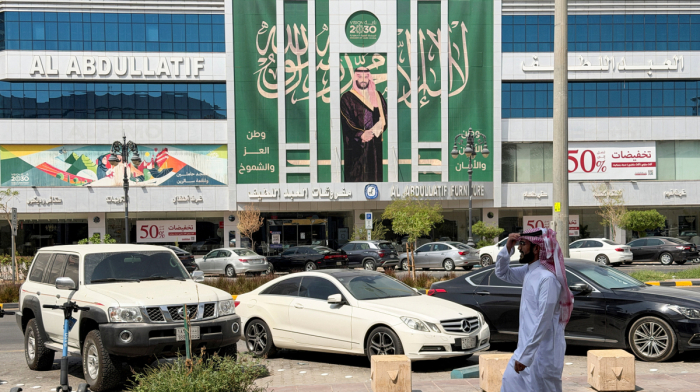
Saudi Arabia has informed Iran that it will not allow its territory or airspace to be used for any military action against Tehran, according to two sources close to the kingdom’s government cited by AFP.
Sweden is sending a group of military officers to Greenland at Denmark’s request, Prime Minister Ulf Kristersson said on Wednesday, as Nordic countries and NATO allies step up coordination around the Arctic territory.
Israel and Arab States have urged the U.S. to delay any potential military action against Iran, warning that such a move could undermine ongoing protests inside the country, according to NBC News.
Romania has reiterated its openness to discussions on a potential unification with neighbouring Republic of Moldova, following recent remarks by Moldova’s president.
Canada and China have signalled a reset in bilateral relations during Prime Minister Mark Carney’s first official visit to Beijing, with both sides highlighting progress toward closer cooperation after years of strained ties.
A SpaceX capsule carrying a four-member crew home from orbit in an emergency return to earth necessitated by an undisclosed serious medical condition afflicting one of the astronauts splashed down safely early on Thursday (15 January) in the Pacific Ocean off California.
The foreign ministers of Iran and India have held high-level talks by telephone, discussing bilateral ties as well as a range of regional and international issues, against the backdrop of continuing tensions in the Middle East.
Start your day informed with AnewZ Morning Brief: here are the top news stories for the 15th of January, covering the latest developments you need to know.
A crane collapse at a construction site near Bangkok has killed two people and injured five others on Thursday, Thai police said, a day after a separate crane accident derailed a train in northeastern Thailand, killing dozens.
You can download the AnewZ application from Play Store and the App Store.
What is your opinion on this topic?
Leave the first comment