G7 foreign ministers have reaffirmed support for Ukraine and condemned Russia’s nuclear rhetoric, warning of escalating security risks due to North Korea’s growing ties with Russia.
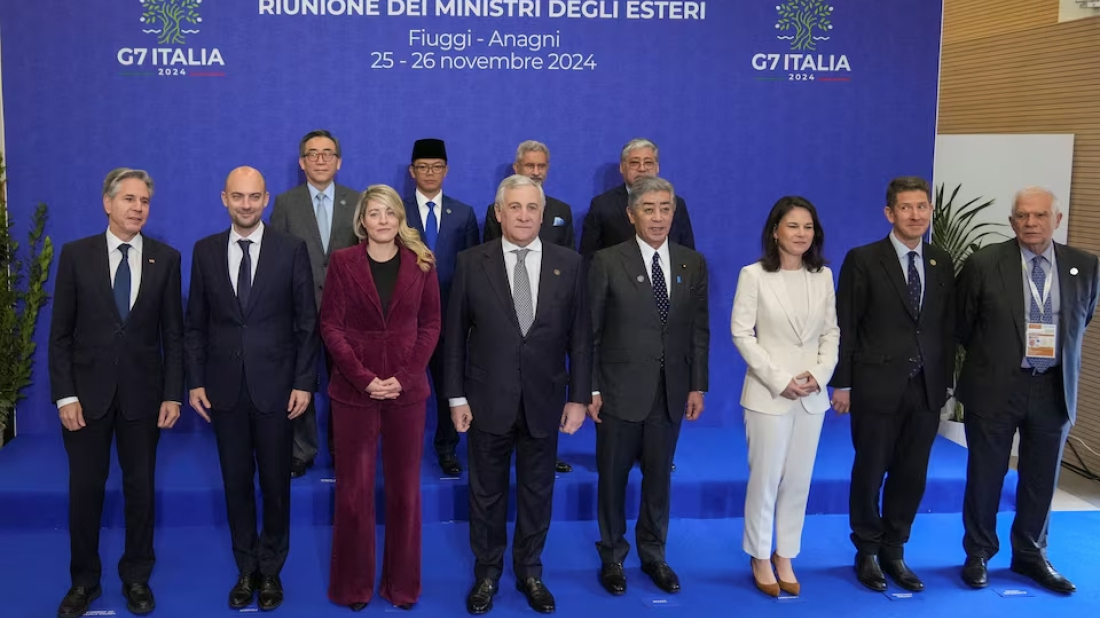
Foreign ministers from the Group of Seven democracies (G7) met in Fiuggi, Italy, on Tuesday, reaffirming their steadfast support for Ukraine and condemning Russia’s "irresponsible and threatening nuclear rhetoric".
At the conclusion of their two-day meeting, the ministers issued a joint statement expressing grave concern over Russia's recent actions, including its use of an intermediate-range ballistic missile on 21 November, which they described as "reckless and escalatory."
The G7 ministers reiterated their commitment to Ukraine's territorial integrity, sovereignty, and independence, stressing that their support for the country would remain resolute.
They also raised alarm over North Korea's growing support for Russia, warning that it marked a dangerous escalation of the conflict with far-reaching consequences for security in both Europe and the Indo-Pacific region. The ministers called on China, a longstanding ally of North Korea, to take action to curb this support.
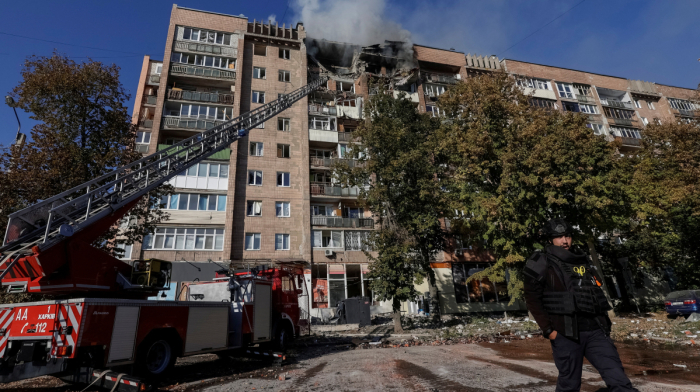
The statement noted Russia's continued military operations in eastern Ukraine, where Russian forces have achieved notable territorial changes since the conflict began in 2022.
The G7 ministers also announced plans to start distributing funds from a $50 billion loan package, which will be financed through frozen Russian assets. They pledged to take stronger measures against groups aiding Russia in evading sanctions imposed after its invasion of Ukraine nearly three years ago.
Ukrainian Foreign Minister Andrii Sybiha attended the meeting, and the G7 reaffirmed their solidarity with Ukraine. The foreign ministers also expressed concern over the escalating conflict between Israel and Hezbollah in Lebanon, urging Israel to agree to a ceasefire and to facilitate humanitarian assistance to civilians in Gaza, the West Bank, and East Jerusalem.
Furthermore, the G7 condemned the rise in extremist settler violence against Palestinians, noting that it was undermining security and stability in the West Bank and threatening the prospects for lasting peace in the region.
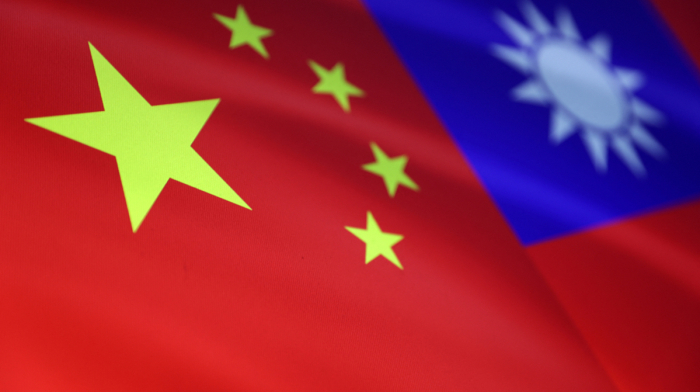
The statement also reiterated the G7’s previous call for China to refrain from trade practices that distort markets and destabilise the global economy.










What is your opinion on this topic?
Leave the first comment