live U.S. hits Iranian radar installations after drone threat in Strait of Hormuz
The U.S. said it struck Iranian radar sites on Qeshm Island and in Goruk after intercepting four drones, while Iran's Revolutionary Guards said they l...
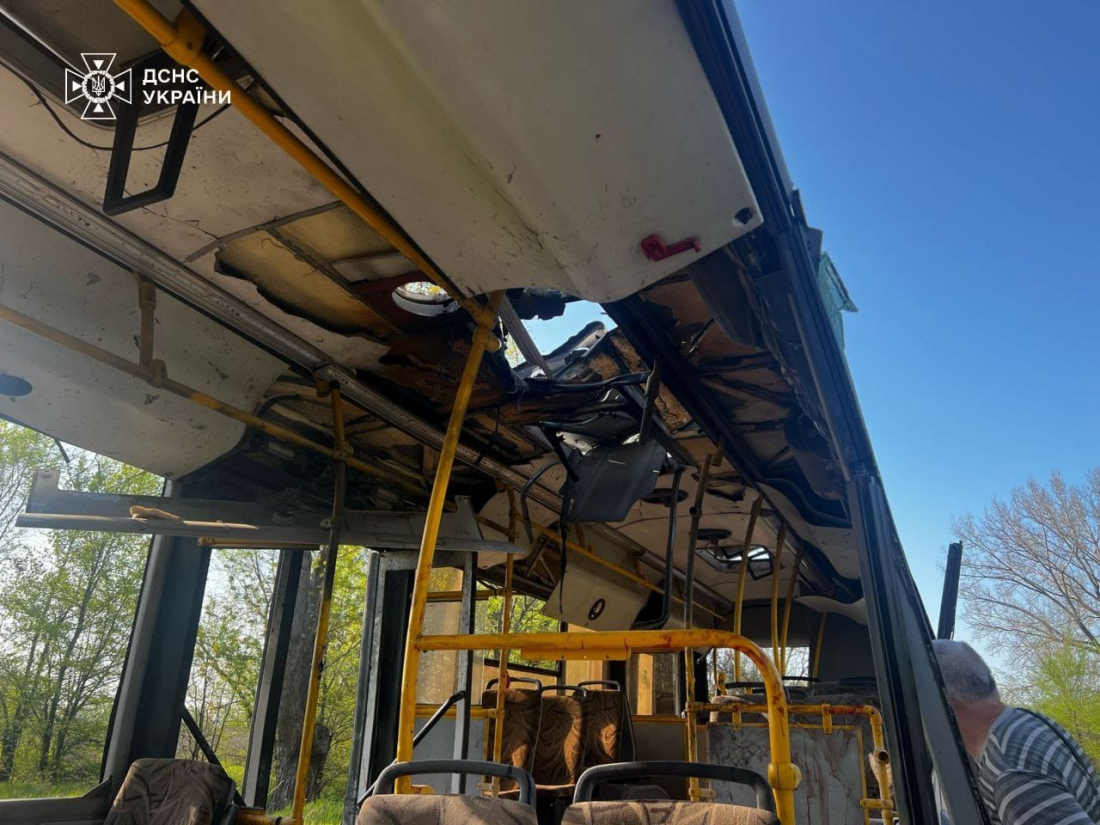
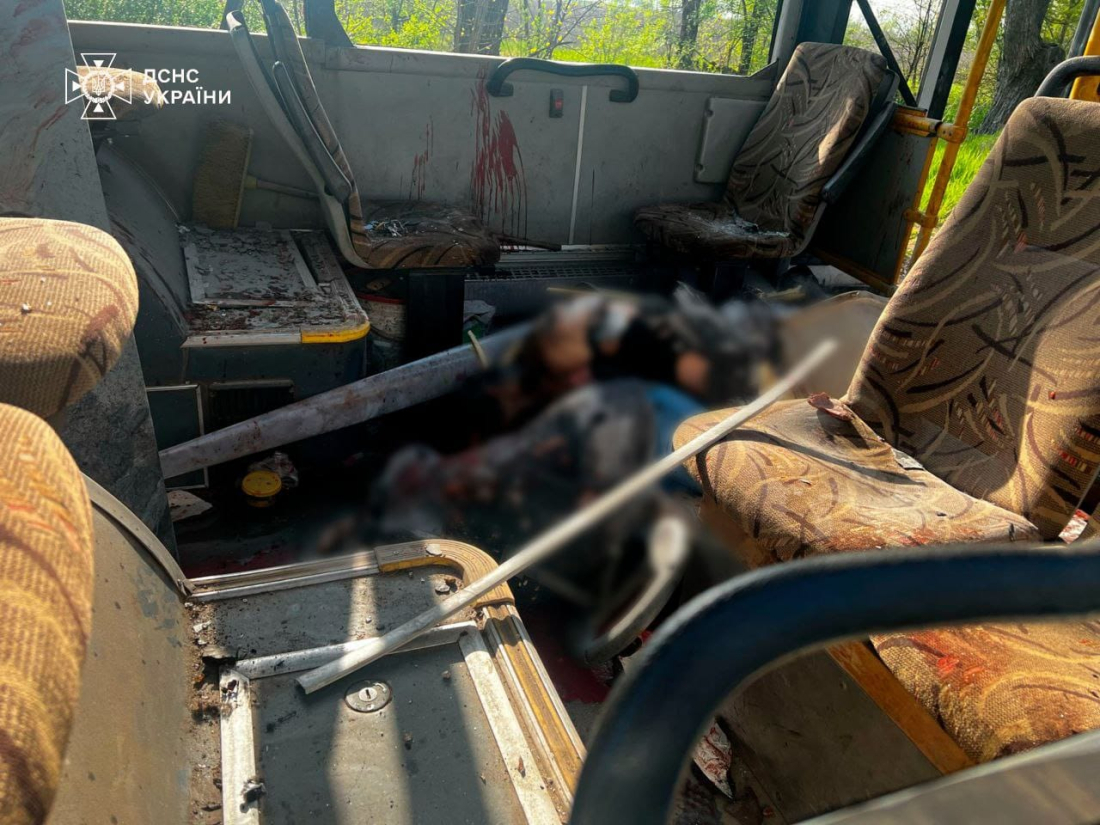
Nine people are dead and 42 injured after Russian kamikaze drones slammed into the city of Marhanets in Ukraine’s Dnipropetrovsk Oblast early on 23 April, local officials said.
In the early hours of 23 April, the city of Marhanets in Ukraine’s Dnipropetrovsk Oblast came under a fierce barrage of Russian-launched “kamikaze” drones, leaving a tragic trail of destruction. According to Serhii Lysak, head of the Dnipropetrovsk Oblast Military Administration, the remotely piloted munitions struck residential sectors, tearing through homes and critical civilian infrastructure. Initial casualty reports, released shortly after the strikes, indicated that seven people had lost their lives and another six had sustained injuries. However, emergency crews soon discovered the situation was even more dire.
By 08:30 local time, Governor Lysak delivered a grim update: the confirmed death toll had climbed to nine, comprising seven women and two men. The tally of those wounded also surged dramatically, reaching at least 42 individuals as rescue teams continued to sift through the wreckage. Ukraine’s State Emergency Service, which has been coordinating search-and-rescue operations alongside local authorities, warned that the number of casualties could rise further as medics treat severe injuries and as more victims may be found beneath the debris.

In a statement on Telegram, Lysak condemned what he described as another “deliberate strike on civilians,” extending condolences to the bereaved families and pledging that humanitarian assistance and psychological support would be provided. He added that investigators were on scene to document evidence for potential war-crimes proceedings. Meanwhile, residents—many still rattled by the sudden explosions—have fled damaged buildings, fearful of further attacks. The assault on Marhanets underscores the relentless nature of Russia’s drone warfare campaign and highlights the growing toll on Ukraine’s front-line communities, even far from the active battlefields.



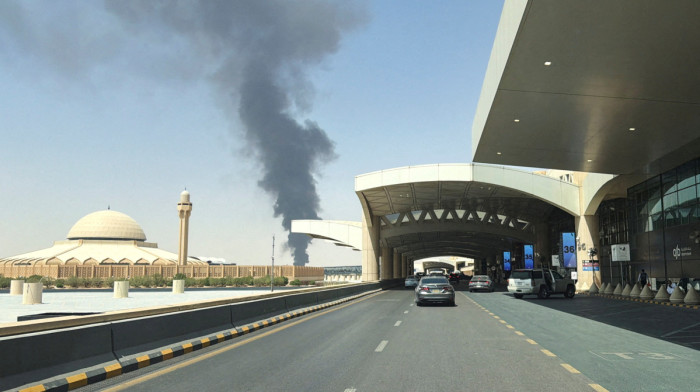
Iran’s Revolutionary Guards (IRGC) said in a statement that its Aerospace Force did not strike the Kuwait Airport passenger terminal on Wednesday, and that the destruction was instead caused by a failed U.S. Patriot missile.
The new AnewZ documentary, TARGET: Yerevan, builds its explosive case on exclusive, secret recordings originally published by Minval Politika.
Five Azerbaijani citizens have been killed and three others injured following drone attacks on two cargo vessels in the Sea of Azov, Azerbaijan's Foreign Ministry said on Friday.
Azerbaijan has strongly rejected allegations published by CNN claiming that its territory was used for Israeli military and intelligence operations against Iran, describing the report as entirely baseless and demanding a retraction.
Armenia will hold parliamentary elections on 7 June 2026, a vote that will shape the country’s political direction for the next five years. Understanding how the electoral system converts votes into parliamentary power is key to following the outcome and its wider regional implications.
People across Gaza are facing a worsening humanitarian crisis, with millions struggling to access food, clean water, shelter and medical care as the conflict continues.
The United States has announced an additional $38 million to support efforts to contain the Ebola outbreak in the Democratic Republic of Congo, as health officials warn that the virus could spread further without stronger action.
More than 6,000 people gathered outside a vote-counting centre in Seoul on Friday night, demanding this week’s local elections be repeated after ballot shortages left some voters unable to cast their ballots.
The next time a goal goes in during a Champions League final, fans around the world could watch it from every angle at once — frozen, rotated and replayed in ways that were impossible only a few years ago.
An ageing, poorly insured shadow armada now accounts for around one-sixth of the world's tanker fleet. Hidden by design and fraught with risk, it operates beyond conventional oversight. A maritime law expert explains how it works, who profits, and why much of the world looks the other way.
You can download the AnewZ application from Play Store and the App Store.
What is your opinion on this topic?
Leave the first comment