Pentagon official says U.S. war in Iran has cost $25 billion so far
A Pentagon official provided the first official estimate of the cost of the U.S. war in Iran on Wednesday (29 April), telling lawmakers that $25 bi...
Colombia's president has suspended a ceasefire with a FARC offshoot after efforts to extend the truce failed, though peace talks remain on track.
Colombian President Gustavo Petro has called off a ceasefire with a dissident faction that split from the armed Revolutionary Armed Forces of Colombia (FARC) rebel group after the 2016 peace agreement.
The group had broken away from FARC when the original guerrilla organization disarmed under a landmark deal that ended five decades of armed conflict. Despite the peace pact, several dissident and newly formed armed groups continue to operate across the country.
The truce between the government and the dissident faction officially expired earlier this week. Although both sides were expected to renew the agreement, negotiations failed to produce a timely extension.
In a statement, Petro announced he would not prolong the temporary bilateral ceasefire, citing concerns for civilian safety. However, he clarified that peace talks with the group would continue.
Both the government and the armed faction now have 72 hours to relocate to designated zones to establish their own security arrangements.

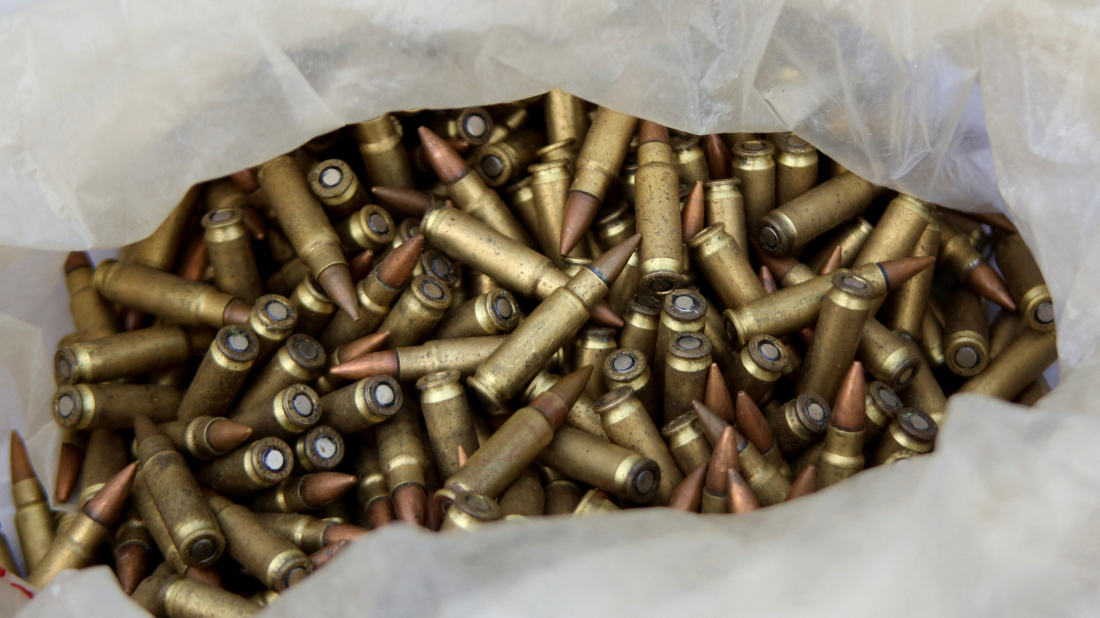
A Pentagon official provided the first official estimate of the cost of the U.S. war in Iran on Wednesday (29 April), telling lawmakers that $25 billion had so far been spent on the conflict, most of it on munitions. Earlier, Donald Trump said that the U.S. had "militarily defeated" Tehran.
Tensions between the United States and Iran remain high after a U.S. official said President Donald Trump was unhappy with a proposal from Tehran that does not deal with its nuclear programme. Washington is insisting that any talks must address Iran’s nuclear activities.
The decision by the United Arab Emirates to leave OPEC+ on 1 May has put renewed focus on one of the most influential groups in global energy - and how its decisions can shape oil prices worldwide.
The death toll from a train collision near Indonesia’s capital Jakarta rose to 14 women on Tuesday (28 April), with 84 people injured, after rescuers completed efforts to free passengers trapped in the wreckage, the state rail operator said.
Mexican special forces arrested Audias Flores, known as “El Jardinero”, a senior commander of the powerful Jalisco New Generation Cartel (CJNG), during an operation in the western state of Nayarit, Security Minister Omar García Harfuch said on Monday (27 April).
Two Jewish men have been stabbed in London in an incident that British police are treating as a terrorist attack.
Reversing a decade of restrictions, New South Wales has opened new areas for gas exploration in its remote west. The move reflects growing concern over future energy supply across Australia’s east coast.
Travel demand across China is expected to remain robust during the upcoming five-day Labour Day holiday starting 1 May.
Start your day informed with the AnewZ Morning Brief. Here are the top stories for the 29th of April, covering the latest developments you need to know.
Mali’s military leader, Assimi Goita, has said the situation is “under control” in his first public remarks since a wave of coordinated attacks shook the country last weekend.
You can download the AnewZ application from Play Store and the App Store.
What is your opinion on this topic?
Leave the first comment