live Ali Larijani: Israel says Iran Security Chief has been killed, Middle East conflict - 17 March
Israel's Defence Minister Israel Katz has said that Iran's security chief Ali Larijani was killed in ta...
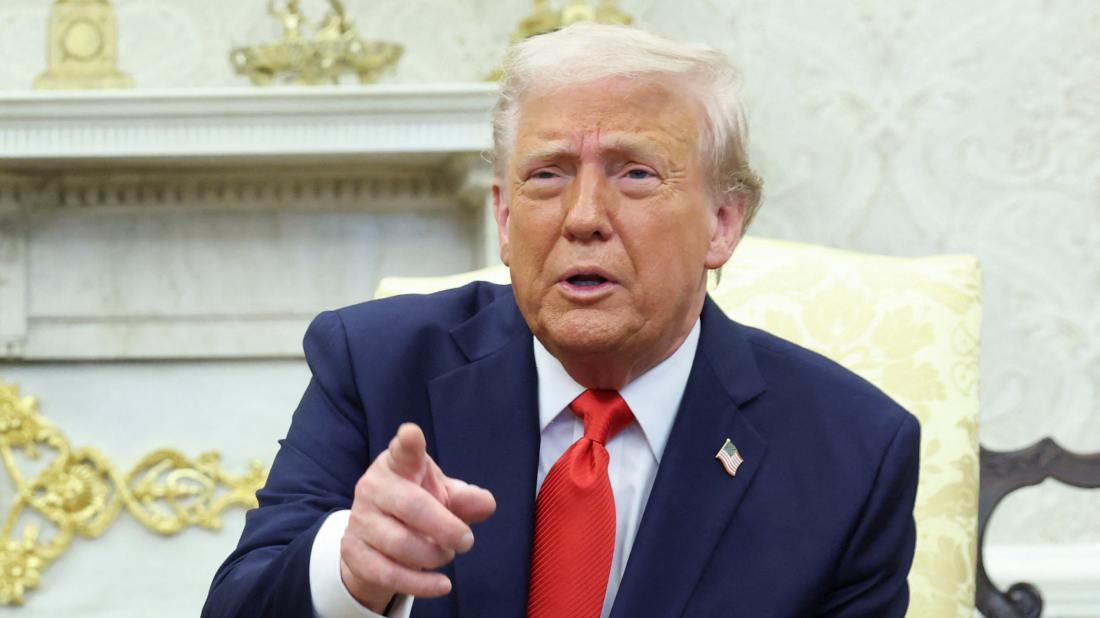
Talks between Washington and Tehran may be happening, but President Donald Trump says time is running out.
On Monday, he accused Iran of deliberately dragging its feet on a potential nuclear deal. “I think they're tapping us along,” he said, after U.S. special envoy Steve Witkoff met with an Iranian official in Oman over the weekend.
The White House has called the talks “positive,” and a second round is expected on Saturday. According to a source briefed on the negotiations, the next meeting could take place in Rome and would explore a broad framework for a possible agreement.
But Trump made it clear that any deal must end Iran’s nuclear ambitions once and for all. “Iran has to get rid of the concept of a nuclear weapon,” he said. “They cannot have a nuclear weapon.”
Asked whether military action was on the table, Trump replied, “Of course it does.” He warned that Iran was “fairly close” to building a weapon and said the country should move quickly if it wants to avoid a tougher response.
During the Biden administration, indirect talks made little progress. The last direct negotiations came under President Obama, whose 2015 nuclear deal Trump later abandoned.
Now, with a second Trump term in office, the pressure on Tehran is rising once again.

The other evening, I was fuelling my car at a petrol station in Kenya’s capital. It was one of those small moments most motorists barely notice. The attendant filled the tank, I glanced at the pump price, paid, and drove off.
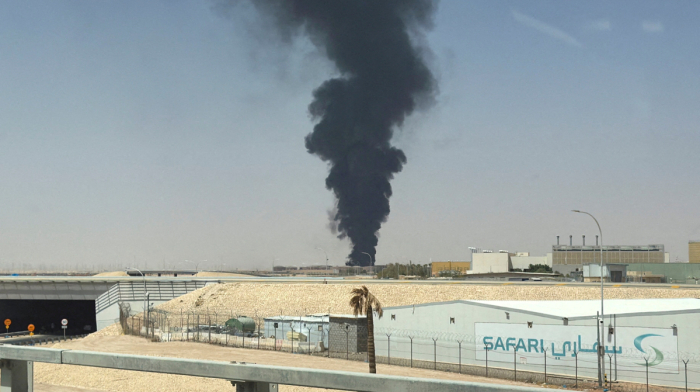
President Trump called on countries to assist in reopening the Strait of Hormuz, while Starmer said the UK is working with allies to restore navigation and stabilise oil markets. It comes as a strike near Iraq’s western border killed several Hashed al-Shaabi fighters, raising regional tensions.
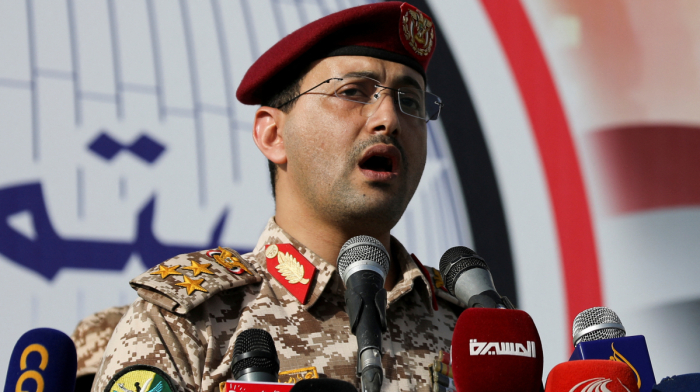
Israel's Defence Minister Israel Katz has said that Iran's security chief Ali Larijani was killed in targeted strikes on the country.
Kazakhstan has adopted a new constitution that could allow President Kassym-Jomart Tokayev to stay in power beyond 2029. The Central Election Commission confirmed that 87.15% of voters backed the constitution in a referendum held on Sunday (17 March).
The World Health Organization (WHO) has released $2m in emergency funding to support health responses in Lebanon, Iraq and Syria as escalating regional conflict strains hospitals, raises displacement and increases pressure on already fragile health systems.
A series of severe storms, blizzards and tornadoes on Monday disrupted life across much of the U.S., leaving more than 12,500 flights delayed or cancelled and forcing schools, federal offices and communities to take emergency precautions.
China’s international trade representative has said Beijing and Washington have reached a “preliminary consensus” on some key issues following their latest round of talks in Paris, offering a cautious sign of progress in a relationship long marked by tension and uncertainty.
Chile’s newly inaugurated president, José Antonio Kast, has taken his first major step on immigration, launching plans for a fortified barrier along the country’s northern border just days after entering office.
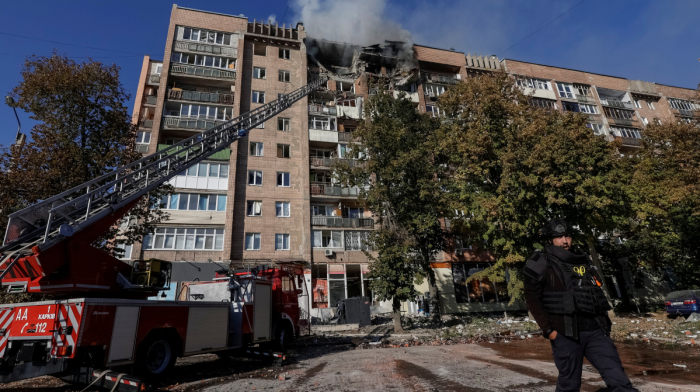
A Russian drone attack damaged industrial, port, and energy infrastructure in Ukraine's southern Odesa region overnight. The strikes disrupted power supplies in several settlements, prompting local authorities to switch critical facilities to backup power generators.
Start your day informed with AnewZ Morning Brief. Here are the top news stories for the 17 March, covering the latest developments you need to know.
You can download the AnewZ application from Play Store and the App Store.
What is your opinion on this topic?
Leave the first comment