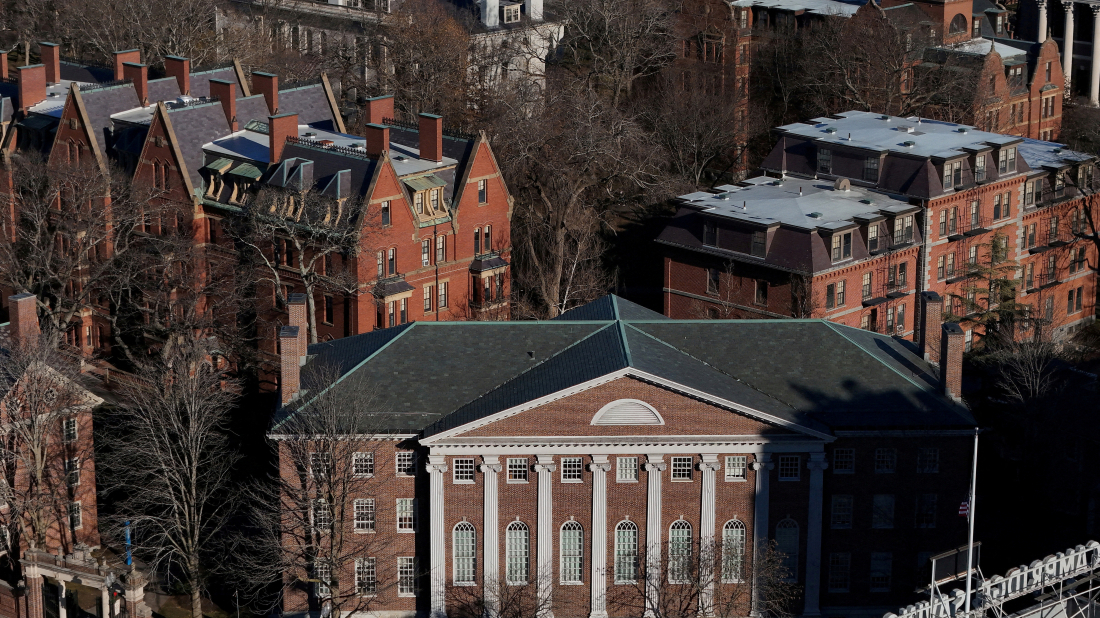
The Trump administration is cutting off more than $2.2 billion in federal grants and $60 million in contracts to Harvard University, escalating its pressure campaign against elite academic institutions over campus activism and protest.
The freeze, confirmed Thursday, comes after Harvard said it would not comply with new government demands, including limiting protest rights, implementing “merit-based” admissions and hiring policies, and auditing students and faculty on diversity views.
In a letter sent Friday, the administration also called for a ban on face coverings — a move widely interpreted as targeting pro-Palestinian demonstrators — and urged Harvard to stop funding or recognizing any student group that “endorses or promotes criminal activity, illegal violence, or illegal harassment.”
Harvard President Alan Garber responded on Monday, calling the demands unconstitutional and “an effort to control how we operate,” citing First Amendment protections and the legal limits of federal power under Title VI of the Civil Rights Act.
“No government — regardless of which party is in power — should dictate what private universities can teach, whom they can admit and hire, and which areas of study and inquiry they can pursue,” Garber wrote.
The administration’s conditions follow months of student demonstrations across U.S. campuses over the war in Gaza, many of which included pro-Palestinian voices. Trump officials have accused universities of failing to confront antisemitism at those events — a charge institutions like Harvard strongly reject.
The clash is part of a broader federal campaign against several Ivy League schools. Funding has also been frozen for the University of Pennsylvania, Brown and Princeton. Columbia University made changes after facing a similar threat to its budget.
Supporters of Harvard’s resistance said the university was defending academic freedom. “Harvard stood up today for the integrity, values, and freedoms that serve as the foundation of higher education,” said Anurima Bhargava, an alumna who joined a group of graduates calling on the school to reject the federal demands.
Others are taking the matter to court. The American Association of University Professors filed a lawsuit Friday challenging the cuts, arguing the administration bypassed the required procedures and is using taxpayer money to enforce political conformity.
“These sweeping yet indeterminate demands are not remedies,” the suit reads. “They overtly seek to impose on Harvard University political views and policy preferences.”
Garber said Harvard has already enacted reforms to address antisemitism but stressed that “bullying and assertions of power unmoored from the law” would not dictate the university’s future.
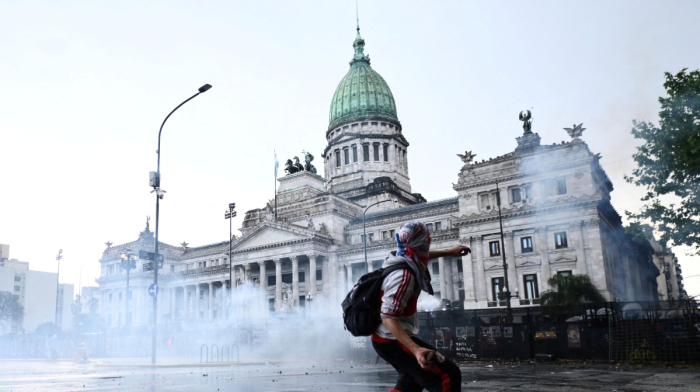
Protests over the move erupted on campus and in nearby Cambridge over the weekend. As the legal fight begins, Harvard has vowed to continue operating independently — even under pressure.




















What is your opinion on this topic?
Leave the first comment