Four Turkish soldiers killed in military helicopter crash in Malatya
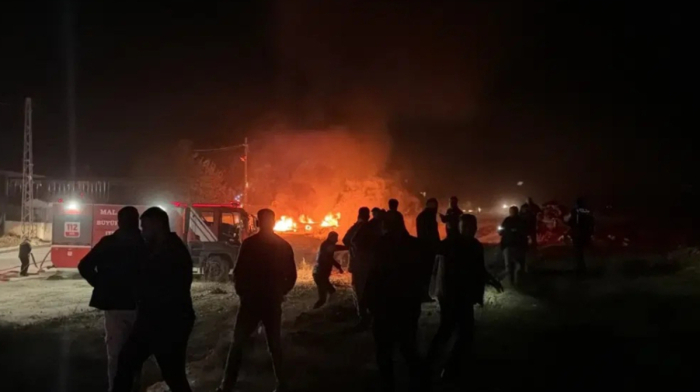
Four Turkish military personnel have been killed after an S-70 helicopter crashed in the eastern province of Malatya on Thursday, Türkiye'...
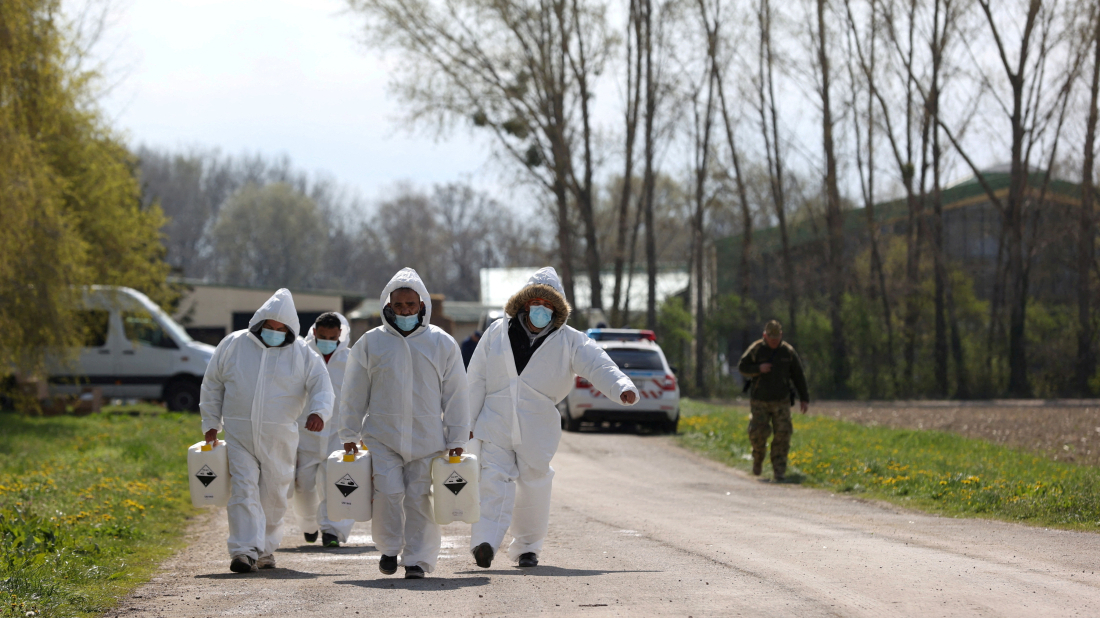
Authorities in Central Europe are racing to contain an outbreak of foot-and-mouth disease, prompting border closures and mass culling.
Authorities across Central Europe are working to contain an outbreak of foot-and-mouth disease among cattle, which has triggered widespread border closures and the culling of thousands of animals.
The outbreak was first detected on a cattle farm in northwestern Hungary. Within weeks, cases surfaced on three more farms in Slovakia, prompting swift action from local authorities. Multiple farms in both countries have now confirmed infections, with nearly 3,000 cattle culled in Hungary alone.
Hungarian authorities continue efforts to halt the spread of the disease, disinfecting affected farms and vehicles in the region.
In response to the outbreak, Slovakia has closed 16 border crossings with Hungary and one with Austria, citing containment concerns. Austria, which has not reported any cases, has shut 23 crossings with Hungary and Slovakia as a precaution. The Czech Republic, though further from the outbreak, has introduced disinfection protocols at all five major border crossings for freight trucks.
Foot-and-mouth disease primarily affects cloven-hoofed animals such as cattle, sheep, goats, pigs, and deer, causing fever and painful blisters in the mouth and hooves. The virus spreads through animal contact, contaminated surfaces, or even via the wind. It poses minimal risk to humans.
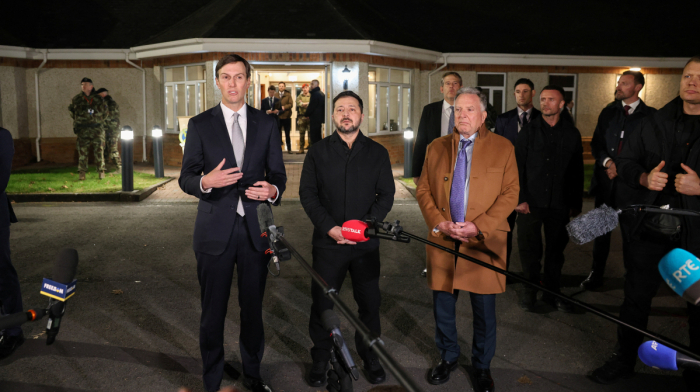
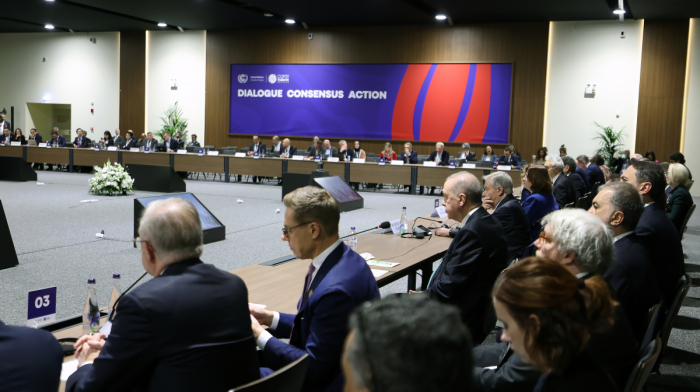
European leaders gathered in Dublin on Thursday, 12 November, for the ninth European Political Community (EPC) summit, with security, defence and energy high on the agenda. Azerbaijani President Ilham Aliyev held talks focused on peace, trade and regional cooperation.
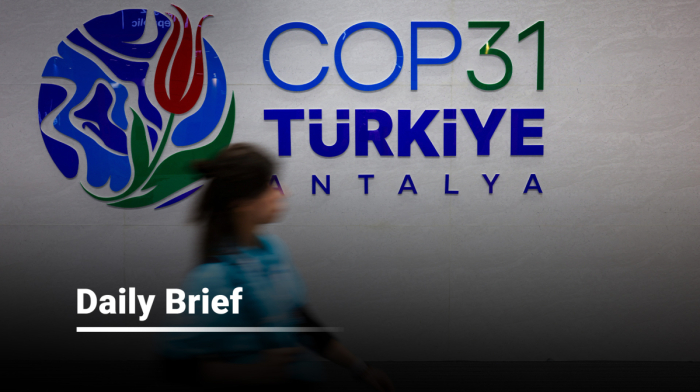
UN Secretary-General António Guterres delivered a stark warning at this year's COP31 summit, saying the climate crisis iss advancing faster than governments' efforts to contain it.
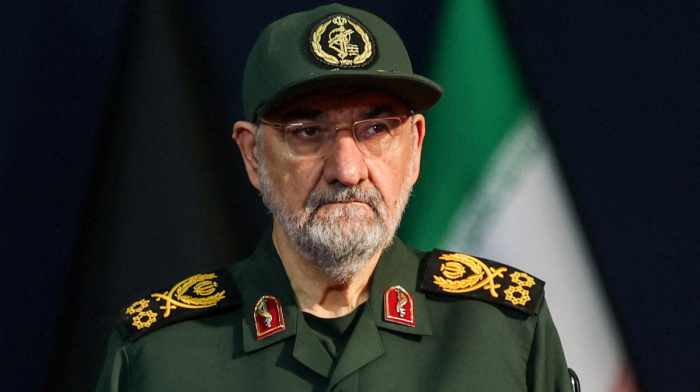
Iran will not let a single particle of its enriched nuclear material leave the country, and any new U.S. attack would be met with strikes on distant American bases, Iranian security chief Mohsen Rezaei has said.
Nvidia chief executive Jensen Huang is stepping down amid reports linking him to a woman suspected by U.S. authorities of spying for China, throwing the future of the $4 trillion chipmaker into uncertainty.
Here's your AnewZ Daily Brief for 11 November. Today, we cover Russia-Ukraine peace talks, political tensions in Washington, strikes in Spain, espionage allegations involving Nvidia's CEO, and climate negotiations at COP31 in Türkiye.
President Vladimir Putin agreed on Thursday to let European representatives join the next round of Ukraine peace talks while the United States continues to work towards what could become the largest prisoner exchange of the Russia-Ukraine war.
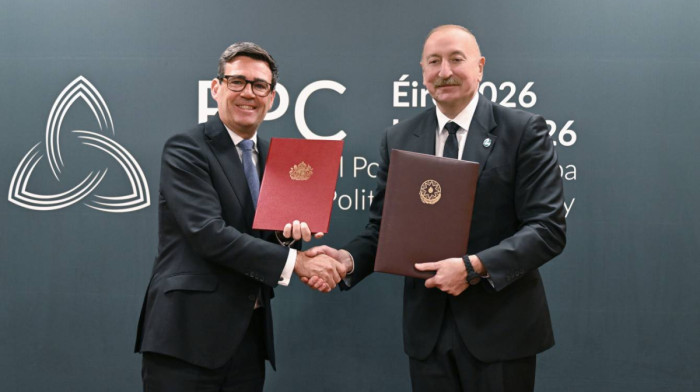
Azerbaijan and the UK have pledged to strengthen defence, trade and education cooperation after signing a joint declaration elevating relations to a strategic level in Dublin, Ireland on Thursday (12 November).
More than 333,000 people have been forced from their homes in Yemen since the beginning of August as fighting has escalated, including more than 24,000 in the past week alone, the United Nations said on Thursday.
A court in Russia’s Baltic exclave of Kaliningrad has sentenced human rights lawyer Maria Bontsler to 12 years in prison on treason charges, after prosecutors accused her of passing sensitive information to Ukraine.
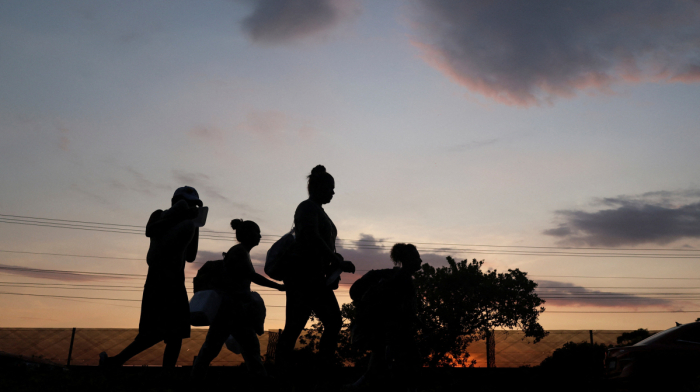
U.S. President Donald Trump has threatened to double tariffs on Mexico unless it stops more than a thousand migrants who are walking north towards the United States, warning that they will be denied entry.
You can download the AnewZ application from Play Store and the App Store.
What is your opinion on this topic?
Leave the first comment