Japan’s ruling party proposes $62,715 payments for third and subsequent children
Japan's ruling Liberal Democratic Party (LDP) proposed on Friday paying families 10 million yen ($62,715) for their third and each subsequent c...
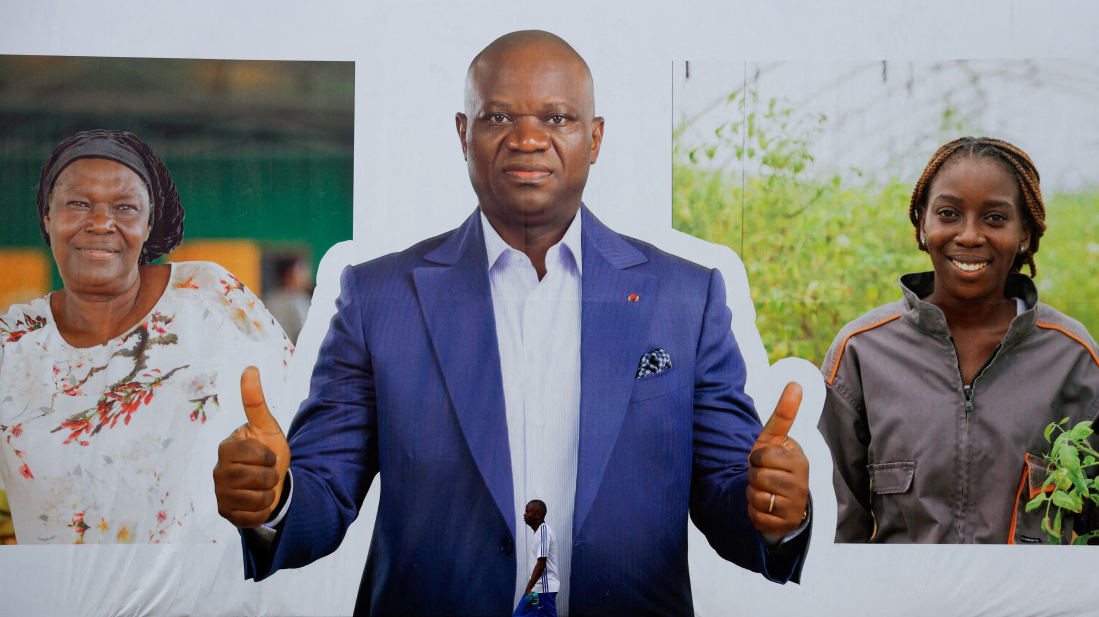
Gabonese voters head to the polls Saturday in the first presidential election since the 2023 bloodless military coup. Voting runs with over 900,000 eligible voters casting ballots at 3,037 polling stations, according to the Interior Ministry.
Eight candidates are in the race, including Zenaba Gninga Chaning, the sole female contender. The two-week campaign ended Friday in the nation of 2.5 million people.
Interior Minister Hermann Immongault called the vote a “milestone in the restoration of national institutions.” Around 2,450 national and international observers have been accredited, including from the African Union, Commonwealth, and other regional bodies.
Transitional President Brice Oligui Nguema, who led last year’s coup that ended the 56-year Bongo dynasty, is the frontrunner. His main rival is Alain Claude Bilie By Nze, the last prime minister under Ali Bongo.
Both candidates have pledged to diversify the economy, which currently relies heavily on oil, timber, and manganese exports.
Nguema, backed by multiple political parties under the Rally of Builders, highlighted his anti-corruption efforts and infrastructure projects during the transition. He promises to continue reforms, improve public services, and tackle youth unemployment.
Nze, running under the “Together for Gabon” movement, seeks to distance himself from the former regime and drive economic transformation.
If no candidate secures over 50% of the vote, a runoff will be held. Under the new constitution adopted in 2023, Gabon abolished the prime minister’s role and introduced a renewable seven-year presidential term.

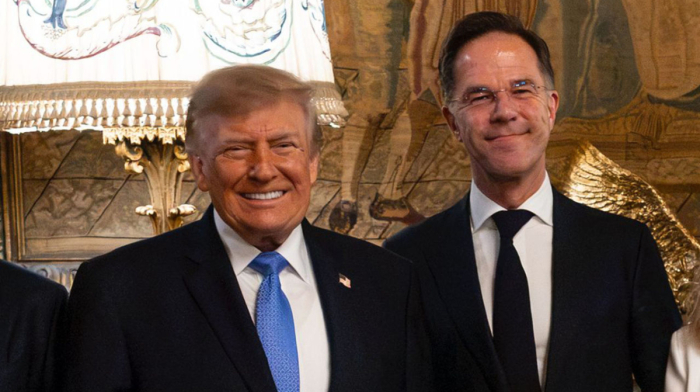
U.S. President Donald Trump and NATO Secretary General Mark Rutte urged Russia to avoid widening the war in Ukraine and called for a swift peaceful resolution during talks in Florida on Wednesday (25 November). They also discussed NATO defence spending and the war in Iran.
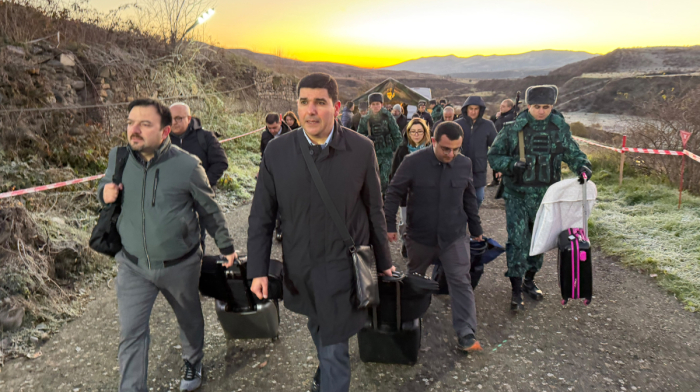
Civil society representatives from Armenia and Azerbaijan are meeting in Armenia on 26 and 27 November, in the latest round of talks aimed at building support for peace.
Here's your AnewZ Daily Brief for the 26th of November, covering the latest culture news.
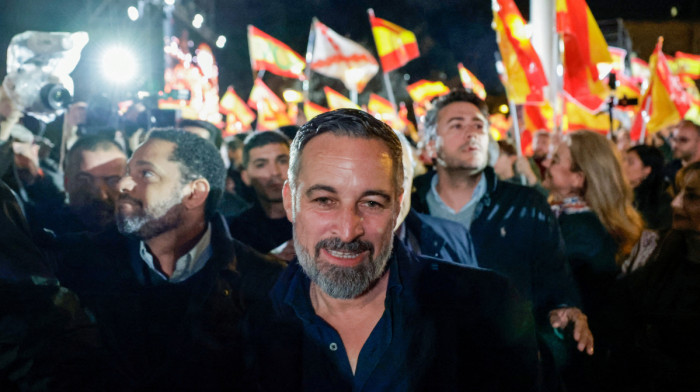
Spain votes on 29 November in a snap election that could give the far right a place in national government for the first time since General Francisco Franco's dictatorship ended in 1975.
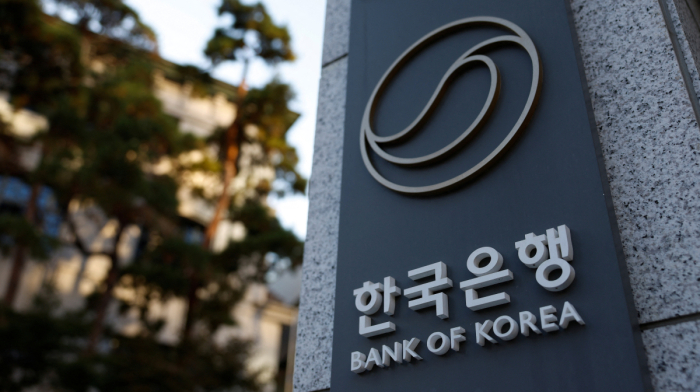
South Korea’s central bank raised its benchmark interest rate by 25 basis points to 3.25 per cent on Thursday (26 November), as persistent inflation and strong economic growth prompted further monetary tightening.
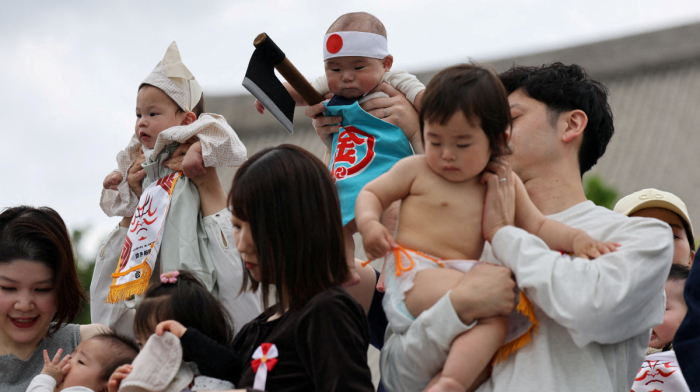
Japan's ruling Liberal Democratic Party (LDP) proposed on Friday paying families 10 million yen ($62,715) for their third and each subsequent child as the country grapples with a record-low fertility rate and a rapidly ageing population.
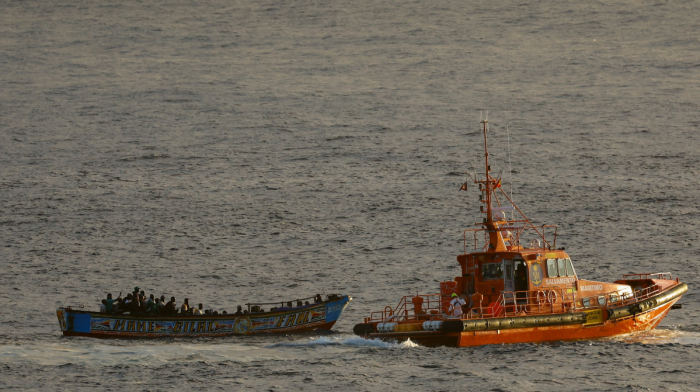
At least eight migrants have been found dead aboard a boat carrying around 100 people off Spain’s Canary Islands, the country’s maritime rescue service said on Friday. A surge in arrivals has left local authorities struggling to cope.
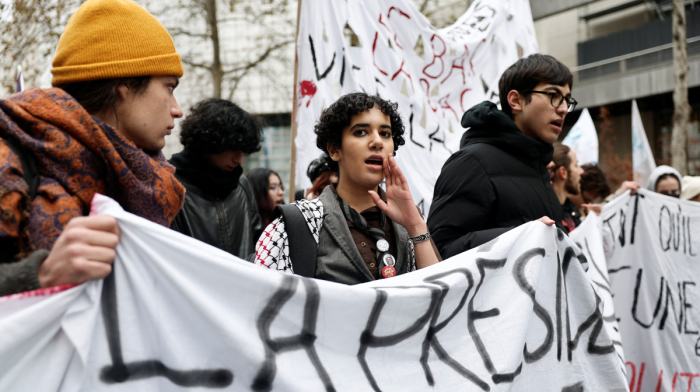
Around 2,000 people marched through Paris on Thursday (26 November), demanding more funding for schools and universities as student-led protests continued across France.
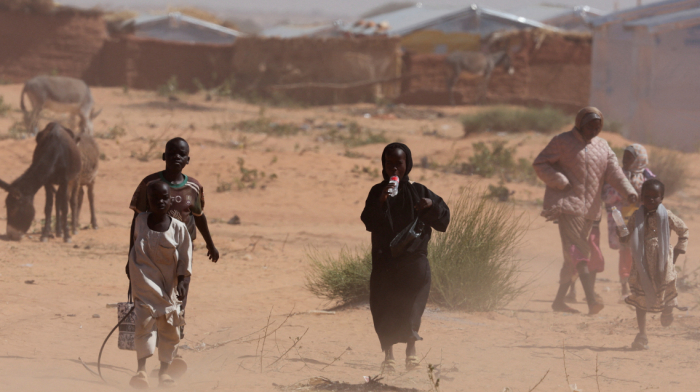
At least 14 people have been killed in attacks by the paramilitary Rapid Support Forces (RSF) across Sudan’s East Darfur and West Kordofan states, a Sudanese rights group said on Friday.
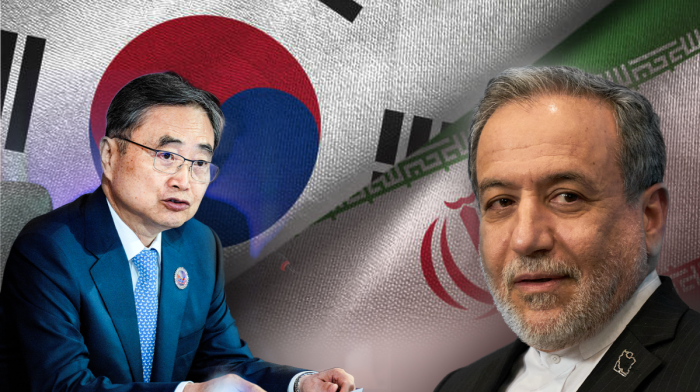
Iran has warned that the presence of foreign forces in the Gulf could escalate regional tensions as South Korea considers expanding its naval operations near the Gulf of Oman to protect commercial shipping.
You can download the AnewZ application from Play Store and the App Store.
What is your opinion on this topic?
Leave the first comment