U.S., Azerbaijan and Armenia: a brief history of shifting ties
U.S. has become a central outside power in the south caucasus, shaping diplomacy, security and energy flows. Its relations with Azerbaijan and Armenia...
President Donald Trump has announced that the United States and Iran have started direct talks on Tehran’s nuclear programme. The announcement came during a meeting with Israeli Prime Minister Benjamin Netanyahu in the Oval Office.
Trump told reporters the talks had already begun and a “very big meeting” would take place on Saturday. He added, “Everybody agrees that doing a deal would be preferable.”
The surprise move follows weeks of public tension, with Iranian officials previously rejecting direct negotiations. Trump had earlier warned of possible military action if Iran refused talks. He had also written to Supreme Leader Ayatollah Ali Khamenei proposing direct discussions.
Iran had insisted it would not be coerced into dialogue, especially after Trump reimposed sanctions and withdrew the U.S. from the 2015 nuclear agreement. Since then, Iran has far surpassed the 2015 deal’s limits on uranium enrichment. According to the International Atomic Energy Agency (IAEA), Iran has enriched uranium up to 60% purity—far beyond the 3.67% cap originally agreed under the JCPOA.
Western powers have accused Tehran of seeking weapons-grade nuclear material. Iran insists its programme is solely for civilian energy use.
Trump’s announcement marks a significant shift in U.S. strategy and could signal a new diplomatic phase in the long-running standoff.

Winter weather has brought air travel in the German capital to a complete halt, stranding thousands of passengers as severe icing conditions make runways and aircraft unsafe for operation and force authorities to shut down one of Europe’s key transport hubs.
Storm Leonardo hit Spain and Portugal on Tuesday, forcing more than 11,000 people from their homes, as a man in Portugal died after his car was swept away by floodwaters and a second body was found in Malaga.
An attacker opened fire at the gates of a Shiite Muslim mosque in Islamabad on Friday before detonating a suicide bomb that killed at least 31 people in the deadliest assault of its kind in the capital in more than a decade.
Alphabet is emerging as a frontrunner in the global artificial intelligence race, as analysts and executives say Google has overtaken OpenAI, marking a sharp reversal from a year ago when the company was widely seen as lagging.
Iran and the United States opened nuclear talks in Oman on Friday, with Tehran calling the meeting a good start and both sides agreeing to continue discussions after returning to their capitals for consultations.
France and Canada opened new consulates in Nuuk, Greenland’s capital, on Friday, stepping up their Arctic presence in a show of support for Denmark, a NATO ally, amid renewed demands by U.S. President Donald Trump to acquire the strategically located territory.
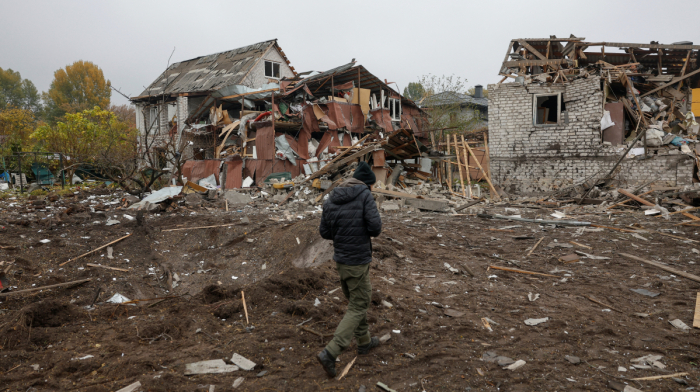
Russia launched a large-scale overnight attack on Ukraine’s energy system early on Saturday (7 January), hitting power generation and distribution facilities with more than 400 drones and around 40 missiles, Ukrainian officials have said.
Start your day informed with AnewZ Morning Brief: here are the top news stories for the 7th of February, covering the latest developments you need to know.
U.S. and Ukrainian negotiators have discussed an ambitious goal of reaching a peace agreement between Russia and Ukraine by March, though the timeline is widely viewed as unrealistic due to deep disagreements over territory, according to multiple sources familiar with the talks.
At least 31 people have been killed and scores wounded in a suicide bombing at a mosque in Pakistan’s capital, Islamabad, during Friday prayers, prompting widespread international condemnation.
You can download the AnewZ application from Play Store and the App Store.
What is your opinion on this topic?
Leave the first comment