Start your day informed with AnewZ Morning Brief: here are the top news stories for April 5th, covering the latest developments you need to know.
1. US not interested in 'negotiations about negotiations' on Ukraine, wants to see progress 'in weeks'
US Secretary of State Marco Rubio said there is "a lot that has to happen" in the coming weeks to reach a cease-fire in Ukraine and negotiations will not continue forever.
"We're closer to peace simply because we're talking to both sides, but we're not closer to peace because we have a deal on our hands to end this conflict, but we're going to know soon enough," Rubio said at a news conference in Brussels.
When asked about his timeline to see progress on a cease-fire, he said: "We're talking weeks."
2. US starts collecting Trump's new 10% tariff
U.S. customs agents began collecting President Donald Trump's unilateral 10% tariff on all imports from many countries on Saturday, with higher levies on goods from 57 larger trading partners due to start next week.
The initial 10% "baseline" tariff took effect at U.S. seaports, airports and customs warehouses at 12:01 a.m. ET (0401 GMT), ushering in Trump's full rejection of the post-World War Two system of mutually agreed tariff rates.
3. Trump granted a 75-day extension for ByteDance to finalize a U.S. sale.
President Donald Trump on Friday extended a deadline requiring China-based ByteDance to sell the U.S. operations of TikTok or face an effective ban in the country, marking the second time he has taken such action.
Trump announced the extension on his Truth Social platform, saying the TikTok deal “requires more work to ensure all necessary approvals are signed.” The extension will “keep TikTok up and running for an additional 75 days,” he said. The new extension kicks TikTok’s deadline to mid-June.
4. 6.9 magnitude earthquake strikes off Papua New Guinea
An earthquake of 6.9 magnitude struck off Papua New Guinea early Saturday local time, the US Geological Survey said.
The depth of the earthquake was recorded at 10 kilometers (6 miles), the USGS said in a brief statement, adding the quake was occurred at 06:04 am, Saturday local time (2004GMT, Friday), some 194 km (121 miles) from Kimbe town.
There were no immediate reports of any damage or casualties.
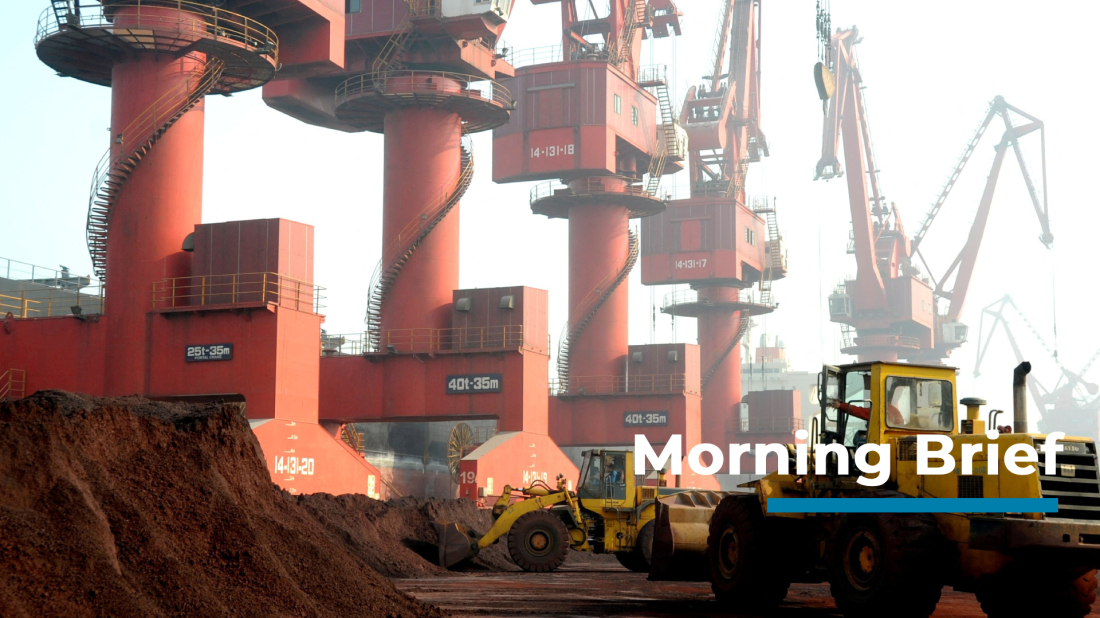
5. China hits back at US tariffs with export controls on key rare earths
China placed export restrictions on rare earth elements on Friday as part of its sweeping response to U.S. President Donald Trump's tariffs, squeezing supply to the West of minerals used to make weapons, electronics and a range of consumer goods.
The move, which Beijing had long hinted was possible, further ratchets up trade tensions between the world's two largest economies and leaves American manufacturers scrambling for fresh supplies of the critical minerals they have relied upon for decades.













What is your opinion on this topic?
Leave the first comment