Trump says China agreed to Nuclear risk talks, defends friendship with Putin
U.S. President Donald Trump has said China agreed for the first time to join trilateral talks on reducing nucle...
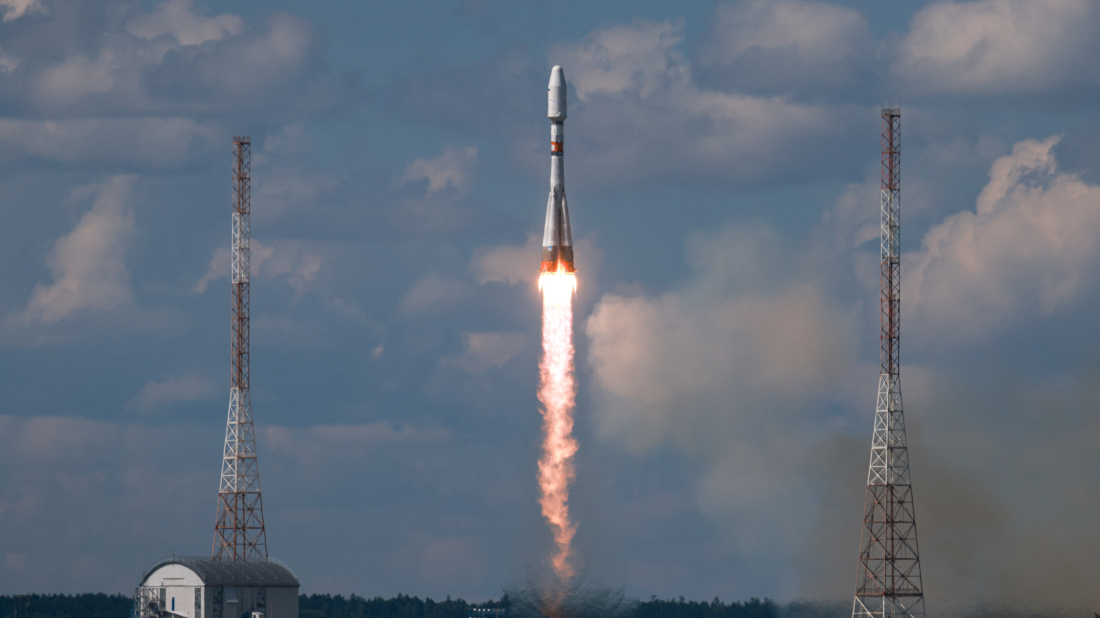
Russia launched 20 satellites into space on Friday, including the Iranian-made Nahid-2 telecommunications satellite, in a mission aimed at expanding scientific, commercial, and educational capabilities in low Earth orbit.
A Soyuz-2.1b carrier rocket lifted off at 8:54 Moscow time from the Vostochny Cosmodrome in the Far East, the Russian space agency Roscosmos said.
The primary mission featured the deployment of Ionosfera-M satellites No. 3 and No. 4. These instruments will monitor physical processes in the Earth’s ionosphere, such as electromagnetic field disturbances and ozone distribution, as well as changes in spatial structure caused by both natural and human activity. The data is expected to enhance understanding of the upper atmosphere and radiation environment.
In addition to the main payload, 18 small satellites were released into orbit. Among them were nine built by the Russian firm Geoscan, which will support Earth observation, sea and air traffic monitoring, and the study of near-Earth space.
Several of the smaller satellites serve educational objectives. These include hands-on experiments with satellite-to-Earth communication links and control systems for small satellite navigation and positioning in orbit.
The Nahid-2 satellite, built in Iran and designed for telecommunications purposes, was included in the multi-payload launch, according to TASS.
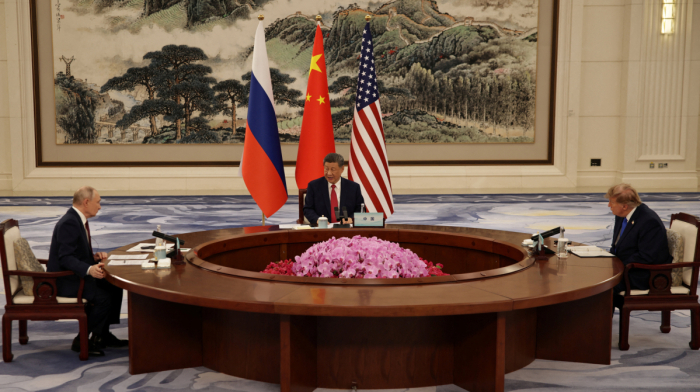
U.S. President Donald Trump, Russian President Vladimir Putin and Chinese President Xi Jinping are holding trilateral talks at the APEC summit in Shenzhen, China, with Ukraine, nuclear arms control and global security on the agenda.
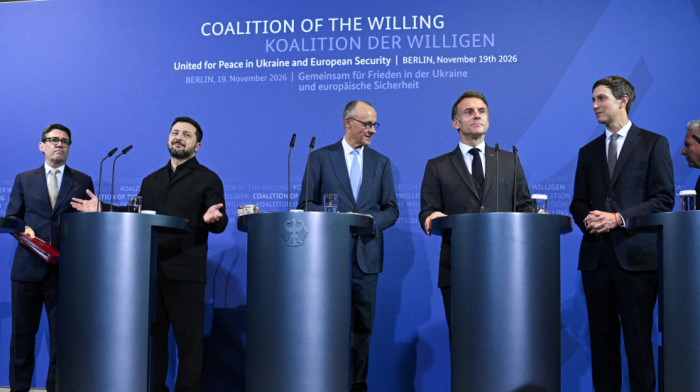
European leaders backing Ukraine met in Berlin on Thursday 19 November and warned that no peace deal should be settled without them.
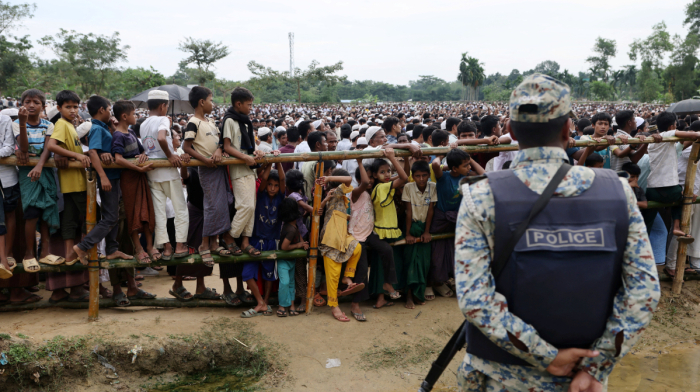
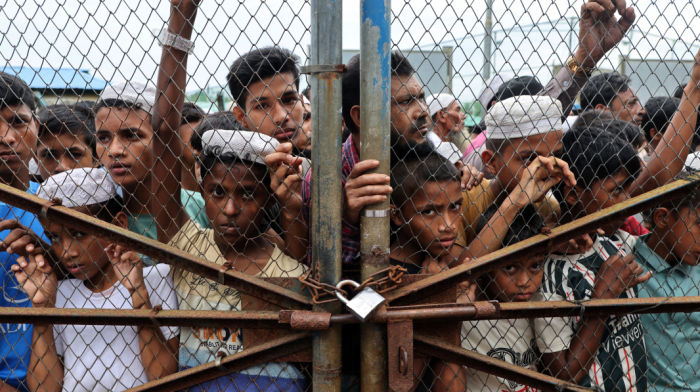
Myanmar's security forces committed genocide against Rohingya Muslims during a brutal military crackdown in 2017 that killed thousands and involved widespread sexual violence, the United Nations' top court ruled on 19 November.
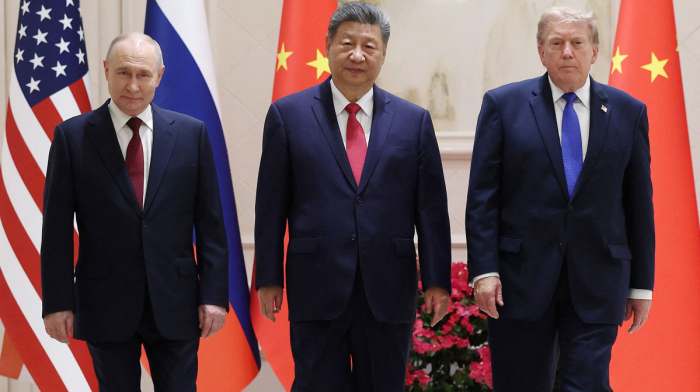
U.S. President Donald Trump, China's Xi Jinping and Russia's Vladimir Putin have issued a joint “declaration of peace” following historic talks in southern China, but stopped short of committing to nuclear arms reductions or addressing the war in Ukraine in their joint statement.
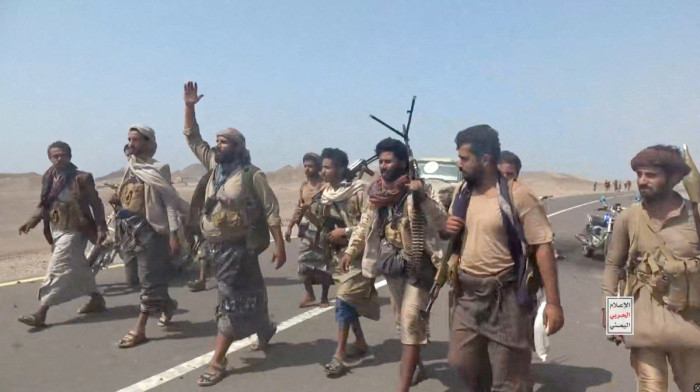
Saudi Arabia is preparing for up to six more months of fighting against Yemen’s Houthis, potentially extending the conflict into spring 2027, Reuters reported, as the kingdom struggles to secure gains on the ground.
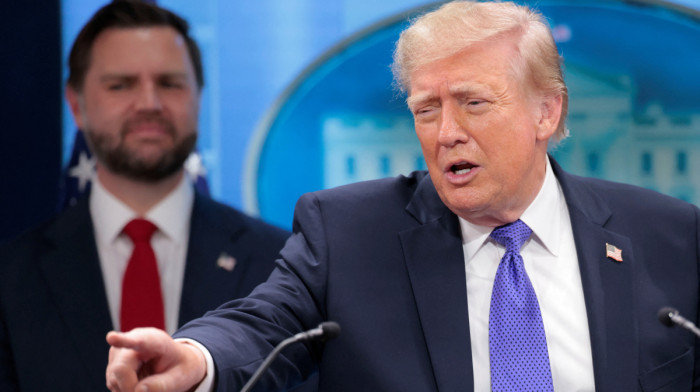
U.S. President Donald Trump has said China agreed for the first time to join trilateral talks on reducing nuclear risk at this week’s summit with Russia’s Vladimir Putin and China’s Xi Jinping.
The United Nations' highest court has ruled that Myanmar committed genocide against its Rohingya Muslim minority during a 2017 military crackdown that forced hundreds of thousands to flee their homes.
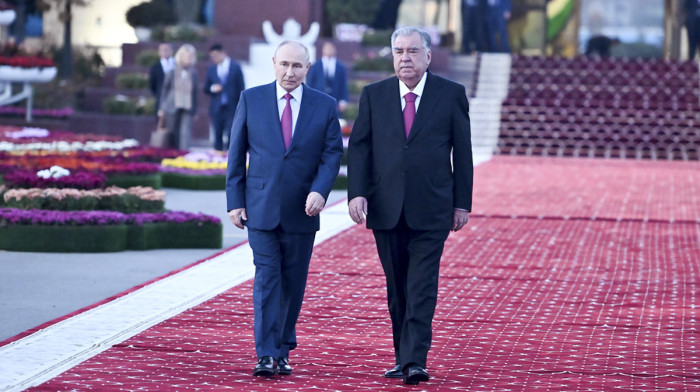
Tajik President Emomali Rahmon and Russian President Vladimir Putin held talks in Dushanbe on 20 November, focusing on labour migration, security along Tajikistan’s border with Afghanistan and the future of Russia’s military presence in the country.
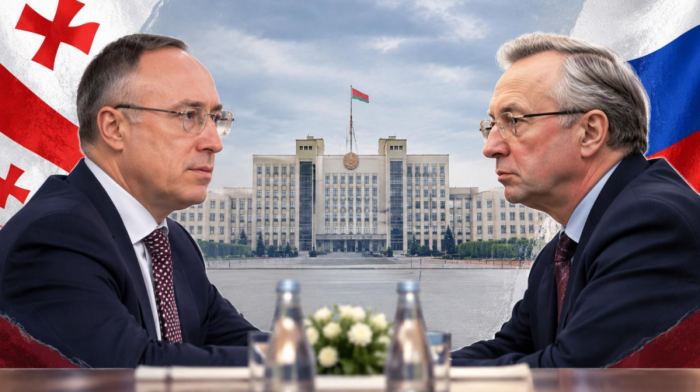
Georgia and Russia have resumed direct official talks, with senior diplomats meeting in Minsk on 19 November to discuss trade, economic cooperation and regional security, despite longstanding tensions between the two countries.
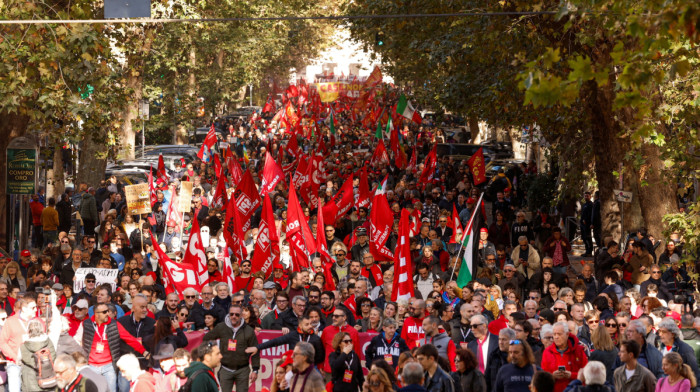
Students and workers took to the streets across Europe on Friday, 20 November, demanding better pay, affordable housing and more funding for education and public services, while protesting against rising military spending.
You can download the AnewZ application from Play Store and the App Store.
What is your opinion on this topic?
Leave the first comment