U.S. President Donald Trump is set to unveil a sweeping new round of tariffs on what he calls “Liberation Day,” a move that could shake up U.S. trade policy and heighten tensions with global partners. With few details known, markets are already bracing for impact.
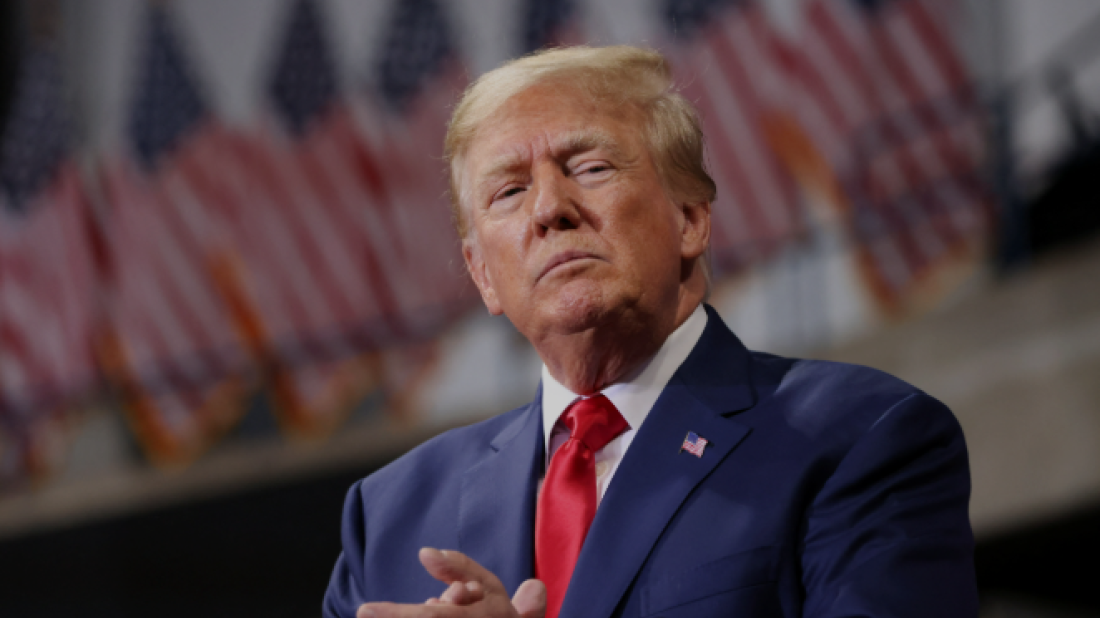
U.S. President Donald Trump is set to announce a sweeping new round of tariffs at the White House on Wednesday, branding the day as “Liberation Day.”
The move is expected to mark a significant escalation in U.S. trade policy, with immediate implementation and potential global repercussions.
While specific details remain under wraps, White House officials say this will be one of the most extensive overhauls of U.S. trade policy in years. Trump aims to revive domestic manufacturing, combat unfair trade practices, and pressure countries like Mexico and Canada on migration and drug trafficking.
The rollout comes amid growing concern over the administration’s unpredictable approach to tariffs, which has shaken markets and strained relationships with key allies. Canada and the EU have pledged retaliation, with Canada calling the tariffs “unjustified” and Europe preparing a “strong response.”
Trump has floated the idea of “reciprocal tariffs” targeting countries such as Brazil, India, and South Korea, matching the rates they impose on U.S. exports. Also under consideration are broad 25% tariffs on all imports from Mexico and Canada and a 20% across-the-board tariff on global imports.
These would add to existing tariffs: 20% on Chinese imports, 25% on steel and aluminum, and 10% on Canadian energy. A 25% tariff on imported vehicles and parts is scheduled to take effect Thursday.
The economic fallout has already begun. U.S. stock markets saw their worst quarter in over two years, and consumer confidence has plunged. Economists warn of a growing risk of recession, while business leaders are signaling plans to raise prices to offset the added costs.
“It’s the most dramatic shift in confidence I can recall—except when Covid hit,” said Neel Kashkari, President of the Minneapolis Federal Reserve.
Despite internal disagreements within Trump’s team, the administration insists the policy is designed to protect American workers.
But with rising uncertainty and inflation concerns, whether “Liberation Day” brings relief or more disruption remains to be seen.



















What is your opinion on this topic?
Leave the first comment