Kazakhstan evacuates more than 8,500 citizens from the Middle East amid rising regional tensions
Kazakhstan has evacuated 8,585 citizens from Middle Eastern countries as regional tensions escalate. Authorities a...
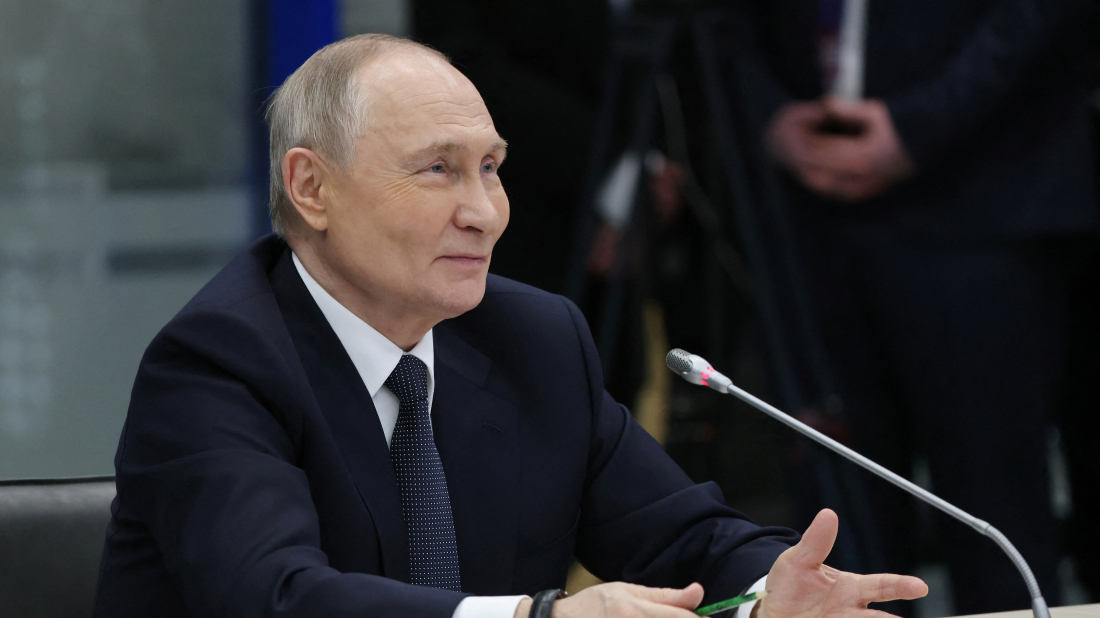
The Kremlin announced on Monday that it is working with the United States on potential peace efforts for Ukraine, despite President Donald Trump's recent outburst expressing frustration with Russian President Vladimir Putin.
Trump, speaking from the Oval Office, criticized Putin's handling of negotiations and threatened to impose secondary tariffs of 25%-50% on buyers of Russian oil if progress toward peace is not made. “I want to see him make a deal so that we stop Russian soldiers and Ukrainian soldiers and other people from being killed,” Trump said.
Kremlin spokesman Dmitry Peskov confirmed that talks between Moscow and Washington are ongoing, describing the process as complex and time-consuming. He also stated that Putin remains willing to engage with Trump and that further discussions could be arranged swiftly if necessary.
The U.S. president has reportedly grown increasingly impatient with Putin over what he sees as Russia’s insufficient commitment to securing a ceasefire in Ukraine. Trump, who has often framed himself as a dealmaker and peacemaker, warned of potential escalation if diplomatic progress stalls.
The strained dialogue comes as Russia and the U.S. continue discussions on other matters, including rare earth metals and oil projects. Despite Trump's frustration, Peskov indicated that Russia remains open to constructive dialogue aimed at resolving the conflict.
Meanwhile, oil prices remained stable, with China and India—the largest buyers of Russian crude—seemingly unfazed by Trump’s tariff threats.

Mojtaba Khamenei, son of the late Ayatollah Ali Khamenei, is a hardline cleric with strong backing from the Islamic Revolutionary Guard Corps. His rise signals continuity in Tehran's anti-Western policies.
Global oil prices surpassed $119 a barrel on Monday (9 March, 2026), an almost four year high, as the Middle East conflict rumbled on.
China has urged Afghanistan and Pakistan to resolve their dispute through dialogue after Chinese envoy Yue Xiaoyong met Afghan Foreign Minister Amir Khan Muttaqi, as fighting between the two neighbours entered its eleventh day.
Welcome to our live coverage as the conflict involving Iran enters its 11th day. Tensions in the region remain high as the United States and Iran exchange increasingly sharp warnings over the strategic Strait of Hormuz, a critical artery for global oil supplies.
Entry and exit across the state border between Azerbaijan and Iran for all types of cargo vehicles, including those in transit, will resume on 9 March, according to a statement by the Cabinet of Ministers of Azerbaijan.
U.S. Ambassador to the United Nations, Mike Waltz, has addressed the U.N. Security Council, saying the world must consider how effective its engagement with the Taliban-run country is as millions face hunger.
British MPs have rejected a proposal to introduce an Australia-style ban on social media for under-16s, opting instead to give ministers flexible powers to impose restrictions on platforms.
Australia has granted humanitarian visas to five Iranian women footballers who sought asylum, fearing persecution after refusing to sing their national anthem at an Asia Cup match.
Start your day informed with AnewZ Morning Brief. Here are the top news stories for the 10th of March, covering the latest developments you need to know.
U.S. President Donald Trump called his recent phone conversation with Russian President Vladimir Putin “very good.” The two leaders spoke on Monday about the situation in Iran and other international issues.
You can download the AnewZ application from Play Store and the App Store.
What is your opinion on this topic?
Leave the first comment