live Khamenei warns ‘foreigners’ as Iran enters ‘new phase’ in Gulf, Hormuz - Thursday, 30 April
Iran’s Supreme Leader Mojtaba Khamenei warned “foreigners who commit evil” have no place in the Gulf, outlining a “new phas...
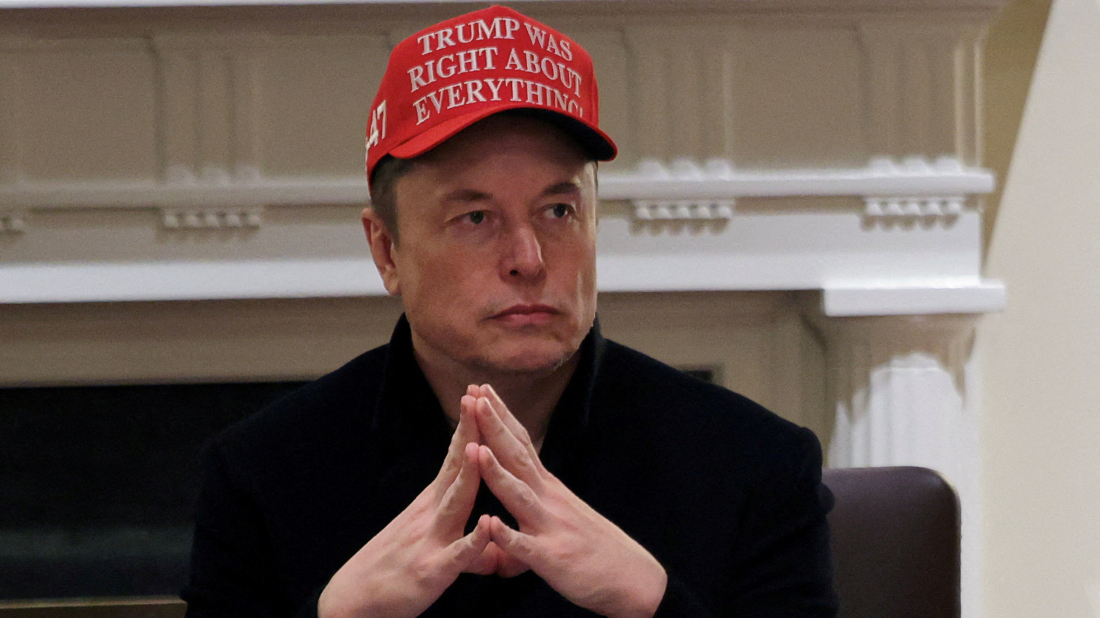
Wisconsin Attorney General Josh Kaul has filed a lawsuit to stop Elon Musk from giving $2 million to voters ahead of the state’s Supreme Court election, calling it a violation of state election laws.
The attorney general of the U.S. state of Wisconsin has sued Elon Musk to block a $2 million voter giveaway ahead of a pivotal state Supreme Court election.
In the complaint, Josh Kaul called the offer an “egregious attempt to buy votes” and accused Musk and his political action committee of violating Wisconsin election laws.
With the retirement of a liberal justice, the April 1 election will determine whether Wisconsin’s highest court shifts to a conservative majority or retains its liberal tilt.
Late Thursday, Musk announced plans to hold a rally in Wisconsin, where he said he would personally award $1 million each to two voters who had already cast ballots as a show of appreciation.
Wisconsin law explicitly prohibits offering anything of value in exchange for voting, prompting immediate backlash and multiple legal complaints.
In response, Musk deleted the post and later issued a revised statement, saying entry to the event would be limited to those who signed a petition opposing activist judges. He added that he would award $1 million checks to two people selected to serve as spokespeople for the petition.
On Friday, Kaul asked the circuit court to issue an emergency injunction to block the payments, calling them a “blatant attempt to violate” the state’s anti-bribery statute.
Officials also objected to Musk’s political action committee, America First, offering $100 to any registered Wisconsin voter who signed or shared the petition opposing activist judges.

A report published by Minval Politika has raised new questions over alleged efforts by Luis Moreno Ocampo to shape international pressure against Azerbaijan and influence political dynamics around Armenia.
A Pentagon official provided the first official estimate of the cost of the U.S. war in Iran on Wednesday (29 April), telling lawmakers that $25 billion had so far been spent on the conflict, most of it on munitions. Earlier, Donald Trump said that the U.S. had "militarily defeated" Tehran.
Tensions between the United States and Iran remain high after a U.S. official said President Donald Trump was unhappy with a proposal from Tehran that does not deal with its nuclear programme. Washington is insisting that any talks must address Iran’s nuclear activities.
Iran’s Supreme Leader Mojtaba Khamenei warned “foreigners who commit evil” have no place in the Gulf, outlining a “new phase” for the Strait of Hormuz, while a senior adviser said U.S. blockade efforts would fail and could trigger confrontation.
The decision by the United Arab Emirates to leave OPEC+ on 1 May has put renewed focus on one of the most influential groups in global energy - and how its decisions can shape oil prices worldwide.
China has warned the U.S. that Taiwan will dominate next month’s summit in Beijing, raising pressure on Washington and concern in Taipei over any shift in long-standing American policy.
Shares in Meta Platforms fell sharply in extended trading on Wednesday after the tech giant raised its annual capital spending forecast by billions of dollars.
From Thursday, 1 May, goods from every African country with diplomatic ties to China will be able to enter the Chinese market without paying import duties.
Start your day informed with the AnewZ Morning Brief. Here are the top stories for the 30th of April, covering the latest developments you need to know.
The U.S. House of Representatives approved a three‑year budget plan on Wednesday that clears the way for Congress to take up an additional $70 billion for immigration enforcement by federal agencies.
You can download the AnewZ application from Play Store and the App Store.
What is your opinion on this topic?
Leave the first comment