live Trump warns Iran after Houthi attack on Saudi tankers
U.S. strikes on Iran entered a 12th consecutive night, while Yemen's Houthis said they attacked two Saudi oil tankers in the Red Sea, urging President...
Britain's proposed assisted dying law for terminally ill individuals may be delayed until 2029, following amendments to the legislation that extend the timeline for implementation and add new safeguards, with the bill still needing approval from both the House of Commons and the House of Lords.
Britain's proposed assisted dying law for terminally ill individuals may be delayed until 2029, following changes in the timeline for its implementation. Initially, the bill, which passed a historic vote last year, aimed to allow assisted dying for mentally competent, terminally ill adults with six months or less to live. This would align Britain with countries like Australia, Canada, and some U.S. states in a significant social reform.
However, lawmaker Kim Leadbeater, who sponsors the bill, announced on Wednesday that the implementation deadline would be extended from two years to four, largely due to amendments to the legislation. The most significant change includes replacing the requirement for a High Court judge to approve each case with a panel of experts, including legal figures, psychiatrists, and social workers. This shift is expected to take more time to establish.
While polls show broad public support for assisted dying, the bill is still under review and must pass through both the House of Commons and the House of Lords. Leadbeater, a member of the Labour Party, emphasized that the four-year delay is a "backstop" and not a set target, though if it extends until 2029, the legislation could be pushed beyond the next national election.
Supporters argue that the law will help terminally ill patients end their suffering and gain more control over their lives, while opponents raise concerns about insufficient safeguards to protect vulnerable individuals from coercion.
In a related development, the Isle of Man recently became the first in the British Isles to approve an assisted dying bill, granting terminally ill residents the legal right to end their lives.

Start your day informed with AnewZ Morning Brief. Here are the top news stories for the 23rd of July, covering the latest developments you need to know.
Start your day informed with AnewZ Morning Brief. Here are the top news stories for the 22nd of July, covering the latest developments you need to know.
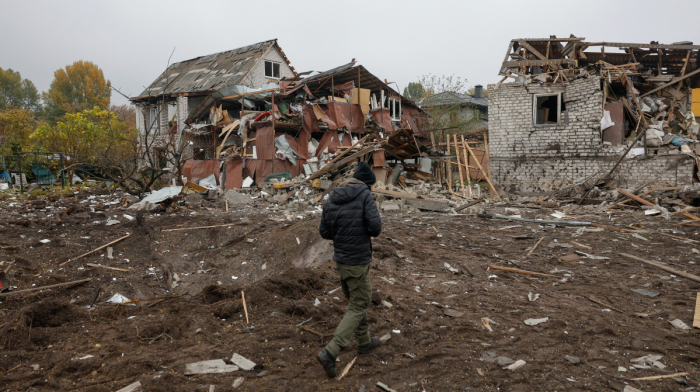
The United States has bombed Iran for an 11th consecutive night as the Pentagon says the war’s cost reach $37.5 billion. President Donald Trump threatens a heavy strike on the suspected Pickaxe Mountain nuclear site. Tehran warns that any attack could trigger a wider regional escalation.
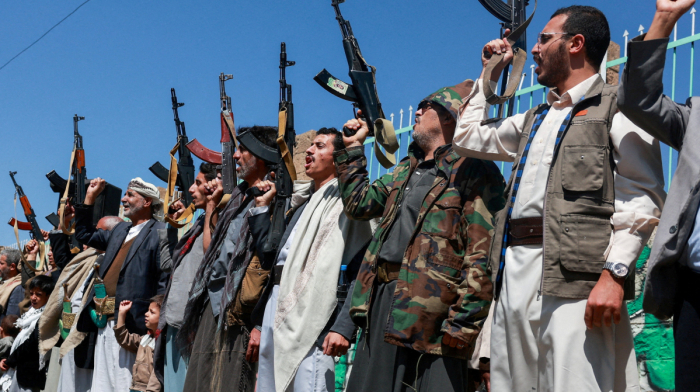
U.S. strikes on Iran entered a 12th consecutive night, while Yemen's Houthis said they attacked two Saudi oil tankers in the Red Sea, urging President Donald Trump to warn Tehran it would be held responsible for any future Houthi attacks.
Azerbaijani President Ilham Aliyev and German President Frank-Walter Steinmeier have discussed regional developments, transport connectivity, energy cooperation and the Azerbaijan-Armenia peace process during talks in Berlin.
Channel Tunnel operator Getlink has warned that the biometric element of the European Union's new digital border security system for car passengers using the tunnel could be delayed because of software issues.
One soldier was killed and four others were injured after a UH-1Y Venom military helicopter crashed at the Czech Army's 22nd Air Base in Náměšť nad Oslavou, around 180 kilometres southeast of Prague, the Armed Forces said.
U.S. Secretary of State Marco Rubio has renewed the Trump administration's campaign against the International Criminal Court (ICC), accusing the Hague-based tribunal of threatening U.S. sovereignty and pledging further diplomatic action over its investigations.
The European Union (EU) has agreed on a 21st package of sanctions against Russia, after shelving some proposed measures to appease member states, most notably Greece.
Greece’s security council, KYSEA, is expected to give final approval on Thursday for the purchase of a multi-layered air defence system from Israel worth up to €3.5 billion ($4 billion), along with several types of drones, according to two sources who spoke to Reuters.
You can download the AnewZ application from Play Store and the App Store.
What is your opinion on this topic?
Leave the first comment