Trump says peace deal will be signed on Sunday; Iran says it may take days
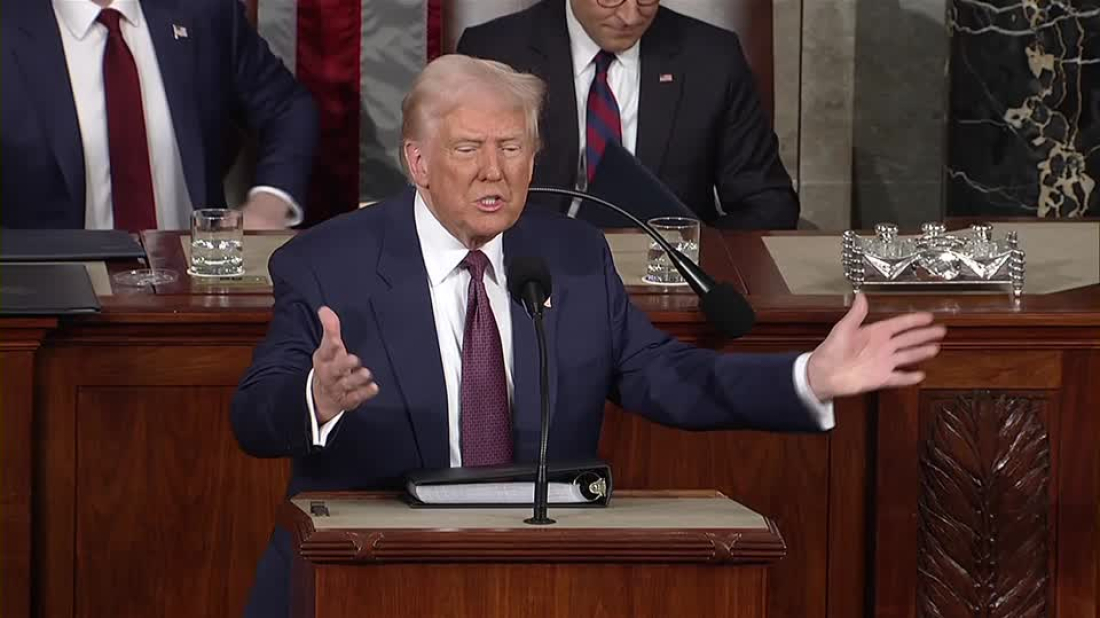
U.S. President Donald Trump has said a peace agreement with Iran is scheduled to be signed on Sunday in a post on social media, despite Tehran's Fore...
The Trump administration is expected to exclude sector-specific tariffs from its planned reciprocal levies, which are set to be imposed on April 2, according to reports by Bloomberg News and the Wall Street Journal, citing anonymous officials.
In February, President Donald Trump indicated plans to impose tariffs on specific sectors, including autos, semiconductors, and pharmaceuticals, with auto tariffs expected to be "in the neighborhood of 25%." However, after significant lobbying from the three largest U.S. automakers, who pushed for a waiver, Trump agreed to delay some auto tariffs.
The Wall Street Journal reported on Sunday that sector-specific tariffs are unlikely to be included in the April 2 announcement, citing an administration official. Despite this, the White House is still set to introduce reciprocal tariffs on that day, although the details of the planning remain subject to change.
Bloomberg News also reported on Saturday that sector-specific tariffs would be excluded, further solidifying the shift in the administration’s approach.
Despite these adjustments, the White House confirmed last week that the new reciprocal tariff rates would take effect as scheduled on April 2, following comments from Treasury Secretary Scott Bessent, who had previously suggested a potential delay.
The White House did not provide any additional comment outside of regular business hours. As the situation continues to develop, the administration's final decision on the scope of the tariffs will have significant implications for global trade dynamics.

SpaceX has made history with the largest initial public offering ever in the United States, pricing its shares at $135 each and achieving a market valuation of $1.77 trillion.
SpaceX made a historic entrance into the Nasdaq on Friday, surging over 20% in its first day of trading and lifting its valuation to more than $2 trillion. Investors flocked to the world’s largest IPO, betting on Elon Musk’s sprawling empire spanning rockets, AI and beyond.
Pakistan has warned that any attempt by India to block or significantly reduce river flows under the Indus Waters Treaty could have “far-reaching consequences”, after India's water minister said New Delhi was working to ensure that “not a single drop” of water reaches Pakistan in the coming years.
Armenia has every right to choose Europe. But Europe’s support for Armenia’s direction should not become automatic approval of its political process.
U.S. President Donald Trump has said a peace agreement with Iran is scheduled to be signed on Sunday in a post on social media, despite Tehran's Foreign Ministry spokesperson Esmaeil Baghaei saying no deal would be approved this weekend.
Every June, roughly 13 million young people in China sit down at the same time to take the same test. They have been preparing for it, in many cases, since primary school. Their families have rearranged their lives around it.
European museums are increasingly returning cultural artefacts to countries in Africa and the Middle East, as pressure grows to address the legacy of colonialism and disputed ownership.
Uganda’s health ministry has raised concerns over what it described as unfair travel restrictions imposed during the current Ebola outbreak, warning that such measures risk undermining transparent reporting. .
Georgia is overhauling its migration laws in one of the most significant legal reforms in years, introducing criminal penalties for fake marriages, tighter controls on foreign students and expanded investigative powers for the migration authorities.
Start your day informed with the AnewZ Morning Brief. Here are the top stories for 13 June, covering the latest developments you need to know.
You can download the AnewZ application from Play Store and the App Store.
What is your opinion on this topic?
Leave the first comment