Netanyahu says Israel will not leave Gaza until Hamas disarms
Israeli Prime Minister Benjamin Netanyahu has said Israeli forces will not withdraw from Gaza until Hamas is fully disarmed, rejecting key elements of...
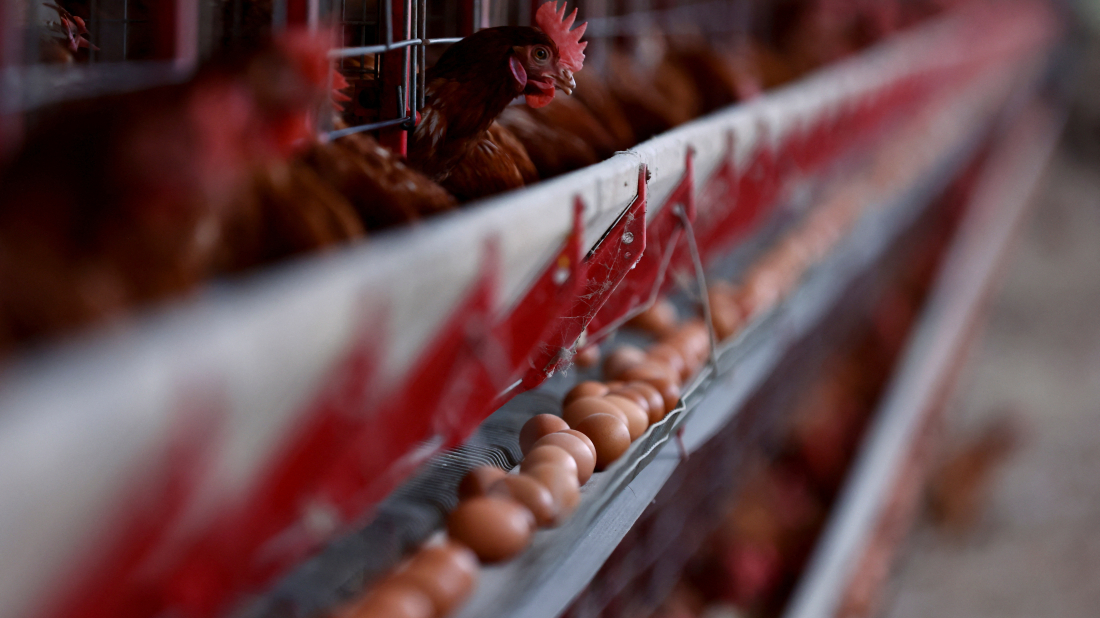
The Trump administration is importing eggs from Türkiye and South Korea to address shortages and record-high prices caused by a severe bird flu outbreak.
Agriculture Secretary Brooke Rollins confirmed that these imports have begun and that discussions with other countries are ongoing to secure additional supplies.
The avian flu has led to the culling of approximately 30 million birds in the United States, significantly reducing the domestic egg supply. Consequently, egg prices have surged, with the U.S. Department of Agriculture (USDA) forecasting a 41% increase in 2025 compared to 2024.
Rollins emphasized that the egg imports are a temporary measure. She anticipates that as U.S. poultry populations recover and egg production normalizes in the coming months, reliance on foreign eggs will decrease.
In addition to importing eggs, the USDA is exploring other strategies to stabilize the market, including enhancing biosecurity measures and considering vaccinations for poultry to prevent future outbreaks.
Consumers have felt the impact of these shortages and price hikes, with some seeking alternative sources for eggs, including attempting to purchase them from Mexico. However, such actions have led to confiscations and fines, as importing raw eggs from Mexico into the U.S. is prohibited due to health concerns.
The administration's multifaceted approach aims to alleviate the current crisis and ensure a stable egg supply for American consumers in the near future.

An agreement between Iran and the U.S. to reopen the Strait of Hormuz is expected "soon," a U.S. official has said. The deal would result in the resumption of commercial shipping through the sea passage and the lifting of an American naval blockade on Iranian ports.
Start your day informed with AnewZ Morning Brief. Here are the top news stories for the 8th of August, covering the latest developments.
A deal on a new route for vessels through the Strait of Hormuz is "very close," Iranian Foreign Minister Abbas Araghchi has said, while warning that the reopening of the waterway depends on the U.S. meeting other conditions, including paying compensation to Iran.
Start your day informed with AnewZ Morning Brief. Here are the top news stories for the 9th of August, covering the latest developments.
Ukrainian President Volodymyr Zelenskyy said Ukraine is increasingly penetrating Russia's air-defence network, as both sides stepped up overnight strikes on energy, logistics and port infrastructure.
Israeli Prime Minister Benjamin Netanyahu has said Israeli forces will not withdraw from Gaza until Hamas is fully disarmed, rejecting key elements of U.S. President Donald Trump’s latest plan for the territory.
Global food commodity prices rose in July to their highest level since January 2023, driven by higher cereal, sugar and vegetable oil prices, according to the UN Food and Agriculture Organization (FAO).
Ukrainian President Volodymyr Zelenskyy said Ukraine is increasingly penetrating Russia's air-defence network, as both sides stepped up overnight strikes on energy, logistics and port infrastructure.
Türkiye has started restricting commercial ship traffic into the Black Sea due to the government's increasing concern about a surge in Russian and Ukrainian attacks on ships, Bloomberg News has reported, citing unnamed sources.
Taiwan’s cabinet is set to propose a 16 per cent annual increase in defence spending for 2027, taking the total above T$1 trillion ($31 billion) for the first time, according to the official Central News Agency.
You can download the AnewZ application from Play Store and the App Store.
What is your opinion on this topic?
Leave the first comment