UK sanctions Russian bank and shadow fleet in fresh crackdown
The UK government announced a new package of sanctions on Thursday (6 August) aimed at disrupting Russia's financial sector and oil exports, expanding...
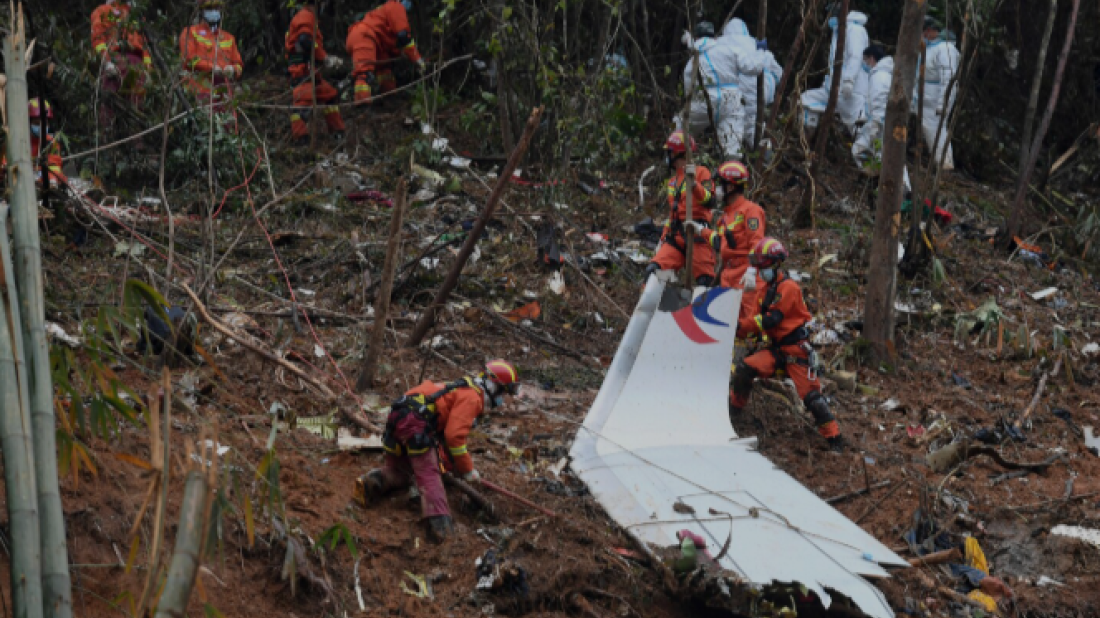
As the third anniversary of the China Eastern Airlines crash approaches, the Civil Aviation Administration of China (CAAC) is set to release its annual investigative report on the tragic disaster, which killed all 132 people.
As the third anniversary of the tragic China Eastern Airlines crash approaches, the Civil Aviation Administration of China (CAAC) is expected to release its annual investigative report. The disaster, which occurred on March 21, 2022, claimed the lives of all 132 people aboard a Boeing 737-800 aircraft en route from Kunming to Guangzhou. The plane nosedived into a remote mountain area in southern China, leading to one of the most devastating aviation accidents in recent history.
In the past two years, the CAAC has periodically updated the public on the progress of the investigation. Last year, the regulator reaffirmed its earlier findings, which indicated that the aircraft, the crew, and the weather conditions did not present any issues before the flight. The CAAC’s investigation has focused on understanding the circumstances surrounding the crash, while ruling out mechanical failures or external factors such as weather as the primary cause.
As the anniversary of the disaster nears, many remain eager to learn more from the CAAC’s upcoming update. Families of the victims and aviation experts are hopeful that further insights into the crash's cause will eventually come to light. The investigation has continued to highlight the importance of transparency in aviation safety and the need for ongoing advancements in technology and training to prevent such tragedies in the future.
The crash, which has left a profound impact on China and the global aviation community, also serves as a reminder of the continued work needed to ensure the highest standards of air safety.

Start your day informed with AnewZ Morning Brief. Here are the top news stories for the 5th of August, covering the latest developments.
U.S. President Donald Trump said there was an "all-day negotiation" on Tuesday with Iran, characterising the talks positively while also threatening to hit Iran "really hard" if a deal was not reached.
Shipping traffic through the Strait of Hormuz and the Bab el-Mandeb Strait, two key maritime chokepoints in the region, decreased significantly from the previous day, according to shipping data.
U.S. data analytics firm Palantir Technologies has reported a 93 per cent year-on-year jump in second-quarter revenue, even as the company faces continued criticism over its work with Israel's military and allegations linking its technology to the war in Gaza.a.
Ukrainian President Volodymyr Zelenskyy has dismissed the country's ambassadors to Tajikistan, Kyrgyzstan and several other countries. The removals came after a speech on Monday in which he said embassies would be judged on their effectiveness in securing weapons for Ukraine.
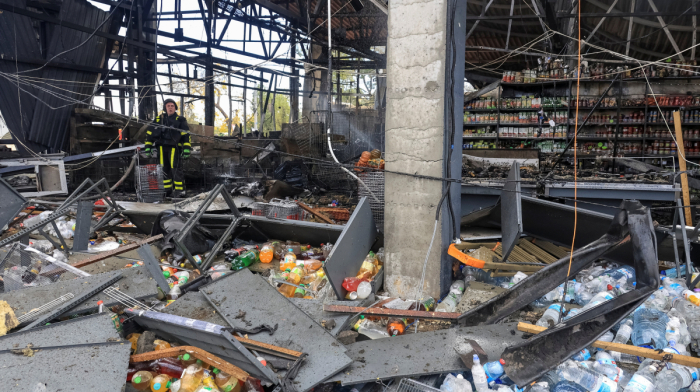
Ukraine’s National Security and Defense Council (NSDC) has approved Kyiv’s Resilience Plan for the autumn-winter season, aimed at strengthening the capital’s ability to withstand continued Russian attacks and ensuring the uninterrupted operation of critical services.
The UK government announced a new package of sanctions on Thursday (6 August) aimed at disrupting Russia's financial sector and oil exports, expanding pressure on Moscow more than four years after its full-scale invasion of Ukraine.
Extreme heat and historically low river levels are forcing nuclear power plants across southeast Europe to reduce output, increasing pressure on already strained electricity supplies and prompting governments to urge lower power consumption.
A powerful El Niño weather event could push nearly 49 million more people into acute food insecurity across some of the world's most vulnerable regions by the end of 2027, the UN's World Food Programme (WFP) has warned.
Ukraine has received only about one-third as many air-defence missile interceptors from its allies in 2026 as it did in 2025, President Volodymyr Zelenskyy said, as intensified Russian attacks expose widening gaps in the country's air defences.
You can download the AnewZ application from Play Store and the App Store.
What is your opinion on this topic?
Leave the first comment