Netherlands returns 3,500-year-old looted sculpture to Egypt
The Netherlands has returned a 3,500-year-old Egyptian sculpture to Egypt, after an investigation confirmed the artefact had been looted and unlawfull...
Ukrainian President Volodymyr Zelenskyy signalled that a ceasefire on energy infrastructure strikes could be swiftly arranged, provided Russia complies with the agreement.
Following a call with U.S. President Donald Trump—marking their first conversation since a tense Oval Office meeting—Kyiv is drafting a list of critical sites for a truce, with Washington acting as a mediator. The proposal may extend beyond energy facilities to include rail and port infrastructure.
Zelenskyy confirmed that Russian President Vladimir Putin had agreed to halt attacks on energy infrastructure. However, he stressed the need for a formal agreement before any pause takes effect. Talks between Ukrainian and U.S. officials are expected to continue in Saudi Arabia later this week.
Trump suggested U.S. involvement in Ukraine’s energy sector, but Zelenskyy clarified that their discussion was limited to the Russian-occupied Zaporizhzhia nuclear power plant. He indicated that Kyiv may consider U.S. investment in the facility’s modernisation if it is returned to Ukrainian control.
Despite progress on the energy front, Zelenskyy voiced scepticism about a broader ceasefire while Ukrainian troops remain in Russia’s Kursk region. Meanwhile, Ukraine has received additional F-16 fighter jets but has not disclosed details regarding their quantity or arrival date.
As negotiations unfold, Ukraine, Russia, and the U.S. continue to explore ways to de-escalate tensions, with energy infrastructure at the centre of the latest diplomatic efforts.

Winter weather has brought air travel in the German capital to a complete halt, stranding thousands of passengers as severe icing conditions make runways and aircraft unsafe for operation and force authorities to shut down one of Europe’s key transport hubs.
Storm Leonardo hit Spain and Portugal on Tuesday, forcing more than 11,000 people from their homes, as a man in Portugal died after his car was swept away by floodwaters and a second body was found in Malaga.
An attacker opened fire at the gates of a Shiite Muslim mosque in Islamabad on Friday before detonating a suicide bomb that killed at least 31 people in the deadliest assault of its kind in the capital in more than a decade.
Alphabet is emerging as a frontrunner in the global artificial intelligence race, as analysts and executives say Google has overtaken OpenAI, marking a sharp reversal from a year ago when the company was widely seen as lagging.
Using art as a quiet alarm, a new exhibition in Baku is drawing attention to endangered wildlife and the need for environmental responsibility.
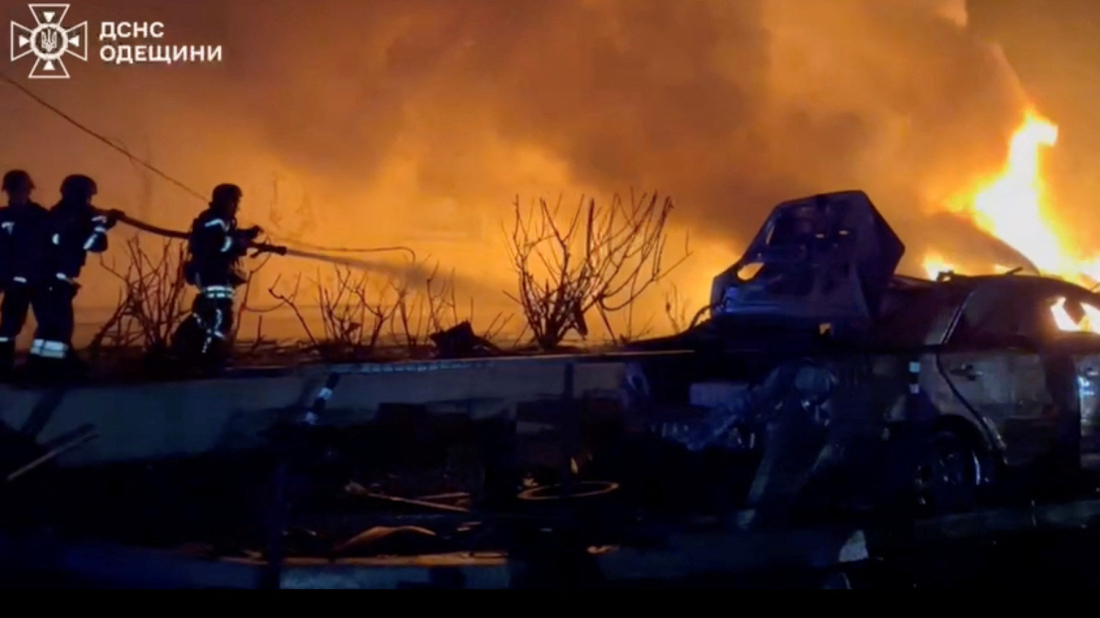
Russia launched a large-scale overnight attack on Ukraine’s energy system early on Saturday (7 January), hitting power generation and distribution facilities with more than 400 drones and around 40 missiles, Ukrainian officials have said.
Start your day informed with AnewZ Morning Brief: here are the top news stories for the 7th of February, covering the latest developments you need to know.
U.S. and Ukrainian negotiators have discussed an ambitious goal of reaching a peace agreement between Russia and Ukraine by March, though the timeline is widely viewed as unrealistic due to deep disagreements over territory, according to multiple sources familiar with the talks.
At least 31 people have been killed and scores wounded in a suicide bombing at a mosque in Pakistan’s capital, Islamabad, during Friday prayers, prompting widespread international condemnation.
Lebanese Army Commander Gen. Rodolphe Haykal met with senior U.S. officials in Washington, D.C., this week to discuss strengthening military and security cooperation, regional developments and the challenges facing Lebanon, the Lebanese army said on Friday.
You can download the AnewZ application from Play Store and the App Store.
What is your opinion on this topic?
Leave the first comment