U.S. Senator Graham: ‘To the people of Iran, help is on the way’
"Change is coming to Iran" according to U.S. Senator Lindsey Graham during an interview with Fox News on Tuesday (6 January). He warned Iran that "if ...
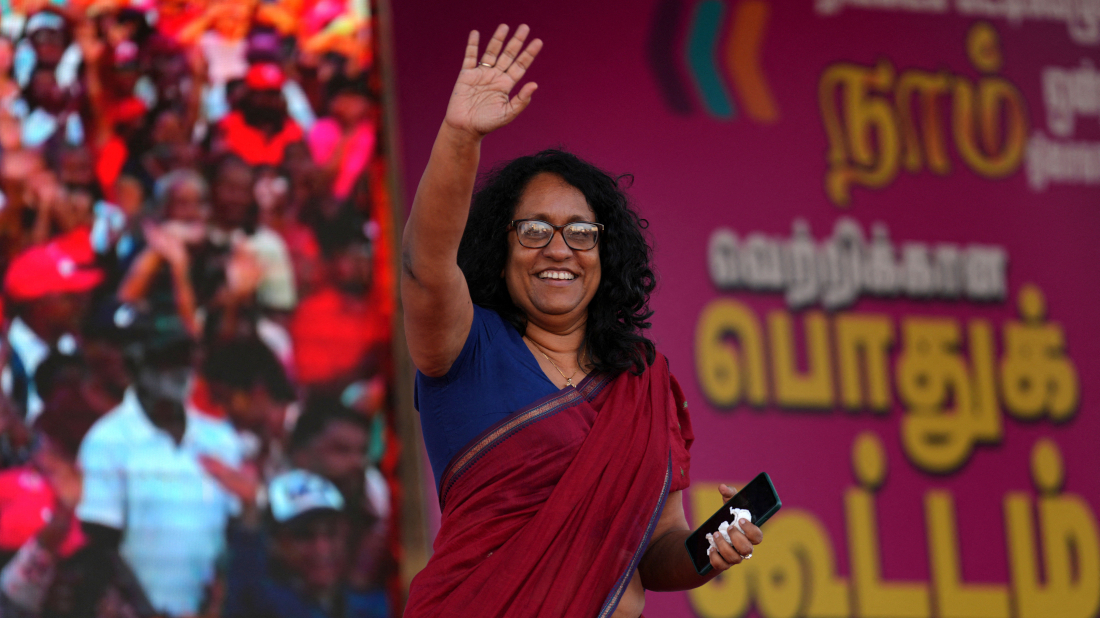
Harini Amarasuriya was reappointed as Sri Lanka's prime minister by President Anura Kumara Dissanayake. Dissanayake also appointed Vijitha Herath as foreign minister after his coalition won 159 seats in the general election. Despite strong, concerns remain over implementing IMF-backed reform.
Harini Amarasuriya has been reappointed as Sri Lanka's prime minister by President Anura Kumara Dissanayake on Monday.
The president also recalled veteran legislator, Vijitha Herath, to oversee the foreign affairs ministry of the Indian Ocean Island after his leftist coalition won 159 seats in the 225-member parliament in general election.
Despite the appointments made during Monday’s sweating-in ceremony, Dissanayake did not name a new finance minister, raising suggestions that he may keep the finance portfolio as he did in September following the victorious presidential election.
Dissanayake, who is regarded as a political outsider, surpassed expectations by winning the presidential election in September rather comfortably in a country dominated for decades by family parties. Naming Amarasuriya as prime minister and picking Herath to helm foreign affairs has been seen as a welcomed political move.
However, he’s had to make further decisive moves by dissolving his Marxist-leaning National People’s Power (NPP) coalition, which had just three seats in the parliament, to seek fresh mandate in last Thursday’s snap election.
Sustaining the policy guaranteed an overwhelming mandate in the general elections, handing Dissanayake legislative power to enforce his plans to reduce poverty and lift the island nation from financial meltdown.
For two years, Sri Lanka has been battling economic crisis brought by severe shortage of foreign currency. This forced the nation of 22 million people into a sovereign default, leading to a 7.3% shrink in its economy in 2022 and 2.3% last year.
Despite the strong mandate and show of support in the South Asian country, which will strengthen its political stability, there are still concerns about Dissanayake's campaign promises. Analysts say there are uncertainties in the plan to implement policies aimed at meeting the terms of the International Monetary Fund (IMF) rescue programme that bailed the country out of its economic crisis.

Germany’s foreign intelligence service secretly monitored the telephone communications of former U.S. President Barack Obama for several years, including calls made aboard Air Force One, according to an investigation by the German newspaper Die Zeit.
President Ilham Aliyev said 2025 has politically closed the Armenia-Azerbaijan conflict, as a Trump-era reset in U.S. ties, new transport corridors and a push into AI, renewables and defence production reshape Azerbaijan’s priorities.
Diplomatic tensions between Tokyo and Beijing escalated as Japan slams China's export ban on dual-use goods. Markets have wobbled as fears grow over a potential rare earth embargo affecting global supply chains.
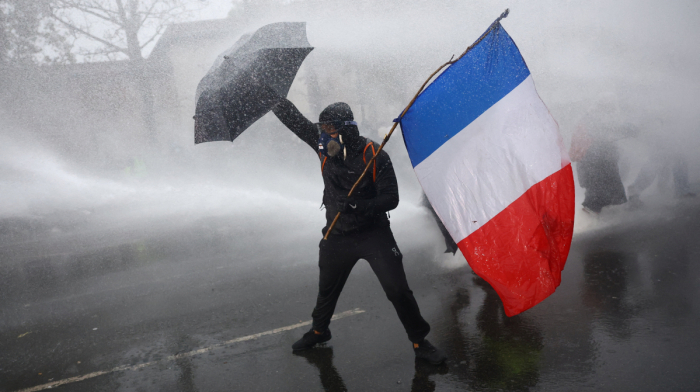
Protests continued into another day in Iran, with crowds returning to the streets despite mounting pressure from the authorities. By scale and spread, the unrest has entered its most significant phase so far.
Shares of major U.S. oil and energy companies surged on Monday even as crude prices showed little movement, revealing a growing divergence between energy equities and the underlying commodities market.
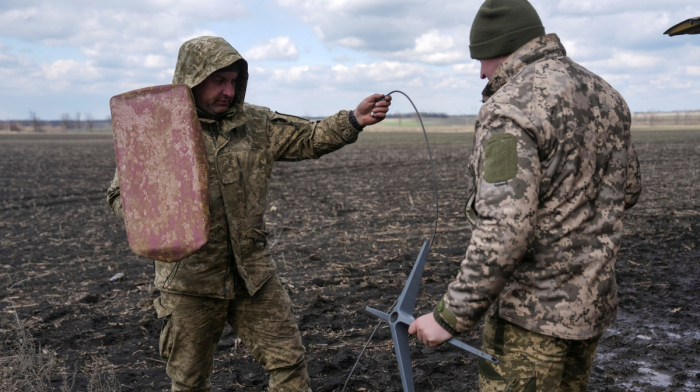
Türkiye is prepared to “assume responsibility” for the security of the Black Sea once a peace agreement is signed between Russia and Ukraine, Turkish Foreign Minister Hakan Fidan has said.
"Change is coming to Iran" according to U.S. Senator Lindsey Graham during an interview with Fox News on Tuesday (6 January). He warned Iran that "if you keep killing your people for wanting a better life, Donald Trump is going to kill you."
The United States says it's set to receive a shipment of crude oil from South America following a significant diplomatic and economic arrangement brokered by the White House involving sanctioned assets.
Diplomatic tensions between Tokyo and Beijing escalated as Japan slams China's export ban on dual-use goods. Markets have wobbled as fears grow over a potential rare earth embargo affecting global supply chains.
Start your day informed with AnewZ Morning Brief: here are the top news stories for the 7th of January, covering the latest developments you need to know.
You can download the AnewZ application from Play Store and the App Store.
What is your opinion on this topic?
Leave the first comment