Over 1,000 tons of Russian grain en route Armenia via Azerbaijan
A freight train carrying more than 1,000 tons of Russian grain will depart for Armenia through Azerbaijani terr...
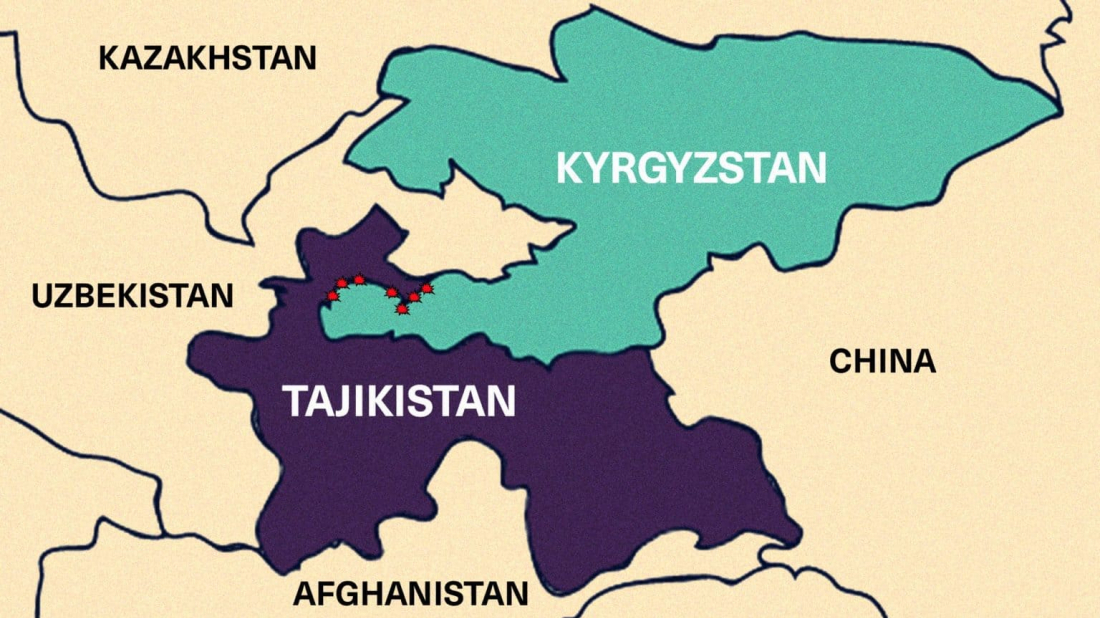
Kyrgyzstan and Tajikistan have reached a historic border agreement, potentially ending a century-long dispute. The deal, hailed as a breakthrough, covers delimitation, water, and infrastructure issues. If finalized, it could ease tensions and support political, economic, and social cooperation.
Kyrgyzstan and Tajikistan have reached a historic agreement on their border delimitation, potentially resolving a century-long dispute, a top Tajik official announced Friday.
Saimumin Yatimov, head of Tajikistan’s National Security Committee, credited Presidents Emomali Rahmon and Sadyr Japarov for the breakthrough.
“After long, difficult, but ultimately effective work, documents on water-energy and road-transport infrastructure have been prepared and initialed. The most important historical document that was initialed on February 21 is the agreement on delimitation and demarcation of the Kyrgyz-Tajik border,” Yatimov said.
“If they are legalized, it will bring an end to the 100-year dispute between the two fraternal countries concerning the border issue. These historical documents, once signed by the heads of state, will serve the historical aspirations of our peoples. They will serve the political, social, cultural, economic, and other interests,” Yatimov added.
The agreement is a key step toward easing tensions between Kyrgyzstan and Tajikistan, which have faced sporadic border clashes. Their 970-kilometer (600-mile) border has been a source of disputes over land and resources since the Soviet Union's collapse.

Tensions in the region remained high on Tuesday (10 March), as the United States and Iran exchanged increasingly sharp warnings, including threats over the strategic Strait of Hormuz, a critical artery for global oil supplies.
Iran's new Supreme Leader, Mojtaba Khamenei, was 'lightly injured,' an unnamed Iranian official said on Wednesday, as Tehran and Israel continued to exchange missile and drone strikes - all the latest updates throughout the day on AnewZ.
Global oil prices reached a four year high on Monday (9 March), surpassing $119 a barrel, as conflict in the Middle East rumbled on. Meanwhile, the Turkish Military said NATO air defence systems destroyed a missile fired from Iran towards the country.
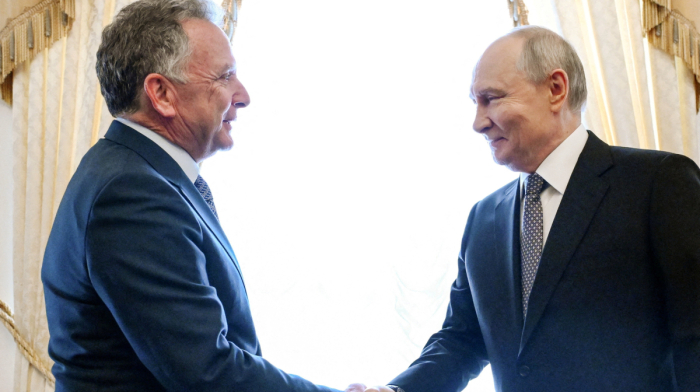
U.S. President Donald Trump called his recent phone conversation with Russian President Vladimir Putin “very good.” The two leaders spoke on Monday about the situation in Iran and other international issues.
Start your day informed with AnewZ Morning Brief. Here are the top news stories for the 10th of March, covering the latest developments you need to know.
Member countries of the International Energy Agency have unanimously agreed to release 400 million barrels of oil from emergency reserves to stabilise global markets disrupted by the war involving Iran.
The annual pro-Palestinian al-Quds Day march in London, scheduled to take place on Sunday, has been banned by Home Secretary Shabana Mahmood following warnings from the Metropolitan Police about the risk of “serious public disorder.”
The first batch of Peter Mandelson’s papers on his 2024 ambassadorial appointment is set to be published on Wednesday, following a parliamentary order. The release comes amid police investigations over his links to Jeffrey Epstein.
At least six people have died after a bus caught fire in Kerzers, Switzerland, in what police say may have been a deliberate act. Witnesses reported a man inside the vehicle set himself alight. Three others were injured and taken to hospital, while authorities continue their investigation.
Start your day informed with AnewZ Morning Brief. Here are the top news stories for the 11th of March, covering the latest developments you need to know.
You can download the AnewZ application from Play Store and the App Store.
What is your opinion on this topic?
Leave the first comment