The Norwegian Refugee Council (NRC) has announced it will suspend humanitarian operations in nearly 20 countries after U.S. President Donald Trump froze foreign aid worldwide upon taking office on January 20.
The Norwegian Refugee Council (NRC), a leading international aid organisation, said on Monday that it was forced to suspend its global operations due to the Trump administration’s decision to halt U.S. foreign aid.
The NRC, which received nearly $150 million in 2024 from the United States Agency for International Development (USAID)—accounting for almost 20% of its budget—warned that the move will have severe consequences for vulnerable populations worldwide.
"We have, in our 79-year history, never experienced such an abrupt discontinuation of aid funding from any of our many donor nations, inter-governmental organisations, or private donor agencies," the NRC said in a statement.
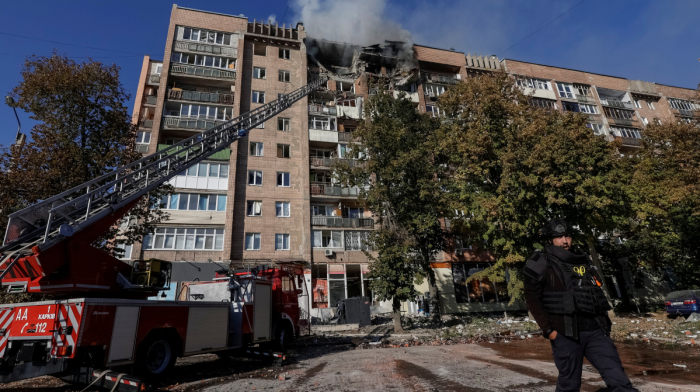
The organisation has already been forced to halt emergency assistance in Ukraine, cancelling planned February aid deliveries for 57,000 people near the front lines. The funding freeze has also resulted in widespread layoffs among NRC staff.
U.S. Aid Cutbacks and Humanitarian Fallout
The Trump administration last Monday announced it would put on leave all directly hired USAID employees and recall thousands of personnel working overseas.
On Wednesday, U.S. Secretary of State Marco Rubio stated that the administration was reviewing which programmes could be exempted from the stop-work orders. However, the NRC said it cannot resume operations without immediate payments for work already completed.
"We currently have millions of dollars in outstanding payment requests to the U.S. government. Without an immediate solution, we may, at the end of February, be forced to halt U.S.-funded lifesaving humanitarian programmes," the NRC stated.
The affected projects include:
-
Clean water for 300,000 people in Djibo, Burkina Faso, where a blockade has cut off supply routes.
-
Funding for 500 bakeries in Darfur, Sudan, which provide food to hundreds of thousands of displaced people.
The widespread suspension of aid programmes comes as humanitarian agencies warn of worsening crises in conflict zones. Without restored funding, millions of people reliant on U.S.-backed aid face severe disruptions in food, water, and medical support.













What is your opinion on this topic?
Leave the first comment