Farmers turn to agritourism amid declining crop prices and growing consumer interest
A dead-end dirt road cutting through rural Wisconsin leads to a pasture dotted with shaggy-coated Highland cattle, fluffy Icelandic sheep and a vintage Airstream trailer that farmer Brit Thompson turned into an Airbnb to capitalize on an explosion of urbanites looking to spend time in the countryside.
Her guests, mostly Chicago-area professionals, offer a steady flow of income in an increasingly unstable agricultural economy.
Thompson, who also raises animals for meat at her farm, Pink River Ranch, is one of many farmers turning to the $4.5 billion agricultural tourism industry, according to U.S. Department of Agriculture (USDA) data, and offering activities and overnight stays as consumer demand for rural experiences grows and farm income declines.
Farmers whose crops are used to make food, feed livestock and produce vegetable oils are struggling to turn a profit after corn and soy prices sank to four-year lows in 2024.
Revenue from Thompson's Airbnb has helped her endure volatile commodities markets and far outpaced what she made from selling beef and lamb to restaurants and directly to consumers, she said. Free-roaming tabby cats on her property are now accustomed to the sound of guests' tires crunching on the gravel driveway and come running toward those bringing in the extra income - and the extra affection.
The guests arrive nearly every weekend during her peak season, drawn by the area's spring-fed and trout-rich streams, forested hiking trails and unpolluted night skies. Thompson’s bookings soared as nearby cities shut down during the pandemic.
Agritourism boomed during COVID as people chose to vacation on farms and in rural areas, drawn by the promise of socially distanced fun in the countryside. The industry has continued to grow since, driven by increasing numbers of city dwellers seeking peace and solitude and farmers seeking additional ways to infuse their farms with much-needed cash.
"Now that we're back to normal, people are still remembering those experiences and they've brought those activities into their family traditions," said Suzi Spahr, director of the International Agritourism Association.
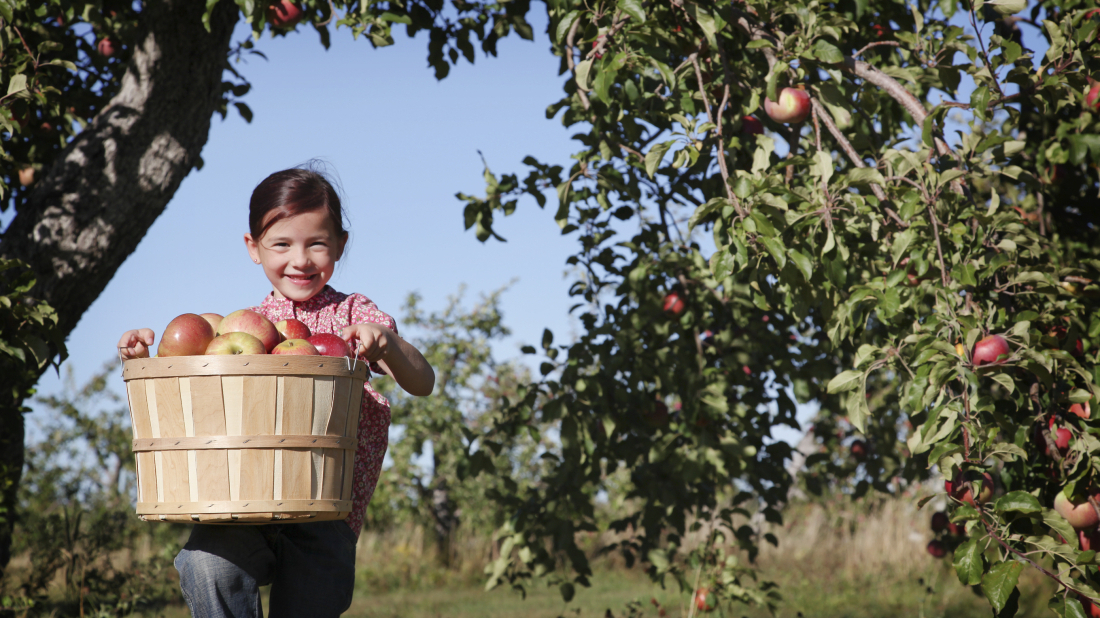
Nationally, about 7% of farms offer agritourism opportunities, which also includes sales of farm products to visitors, said Lisa Chase, an extension professor at the University of Vermont. Many increased their revenue by $25,000 to $100,000 per year through agritourism enterprises, and some farms can make upwards of $1 million a year from running bed-and-breakfasts, pick-your-own apple orchards and other farm experiences, she said.
The number of farmstays, an accommodation at a farm, listed on short-term rental platforms in the U.S. increased by 77% over the past five years, roughly twice the increase in overall listings, data firm AirDNA said. Airbnb, as well as popular campsite booking websites HipCamp, Harvest Hosts and The Dyrt, also said their platforms have seen substantial increases in farmstay listings over the past few years.
LEAN TIMES
Agritourism dollars are a welcome boon in the face of low crop prices, high interest rates, and steep costs for seeds, fertilizer and labor, farmers and industry experts said. Farm income has dropped 23% from 2022 in one of the biggest declines in history, according to the USDA, and the American Farm Bureau says the agricultural economy is in a recession.
While U.S. farm income is expected to improve this year, the upturn is largely due to federal government aid. Income from selling crops has continued to decline.
This year could bring further financial pain for farmers if trade wars with Canada, Mexico and China are prolonged. U.S. President Donald Trump announced tariffs on goods from the three countries on Feb 1, but later offered a 30-day reprieve to Canada and Mexico after those countries offered some concessions.
"We're able to weather some of these tighter or negative margin years because we've diversified the way we earn money," said Kaylee Heap, 35, co-manager of Heap's Giant Pumpkin Farm, opens new tab, a sprawling corn and soybean farm in Illinois.
"It's the reason we diversified. If we just focused on row crops, we’d be having a different conversation."
In the fall, Heap's customers can pick sunflowers, mums and pumpkins; bump along on hayrides; and wander through a corn maze. The farm also produces commodity corn and soy, often for international export.
Not all farms are suited for tourism. Some have inaccessible locations or owners who are unwilling to open their property to strangers. Insurance and compliance with government regulations can also be costly.
But income from recreation and tourism can help families maintain ownership of their farms, pay off debt and provide jobs to younger generations, who sometimes prefer curating Airbnbs and building websites over monitoring soil moisture and grain futures prices, farmers said.
"You cannot survive as a family farm only farming," said Catherine Topel, 56, a North Carolina hog producer who hosts an Airbnb cabin and campsites, opens new tab through HipCamp.
"The cabins, the camping – it makes you sustainable and resilient in hard times, and it gives you flexibility to enter into other enterprises instead of toeing the line of what your dad did and what your dad's dad did."
The desire to raise children in a rural setting and share their agricultural lifestyle with visitors also motivates farmers to open their property to the public, farmers said.
Thompson, 33, says she enjoys teaching guests about sustainable grazing, as well as fishing from her riverbank with her five-year-old daughter, who reels in fat catfish with a miniature hot-pink fishing rod.
"The younger generation finds the farm doesn't have to be this long litany of depression and bad prices," said Ryan Pesch, an extension educator at the University of Minnesota.
"They say: 'Why don't we do this other thing?’ They see opportunities and entrepreneurship," he said.




















What is your opinion on this topic?
Leave the first comment