EU weighs defence and governance reforms amid geopolitical pressures
As global diplomatic dynamics continue to evolve, the European Union is reassessing its ability to respond effectively to major international developm...
It is the "toughest laws Australians ever had," said Home Affairs Minister Tony Burke
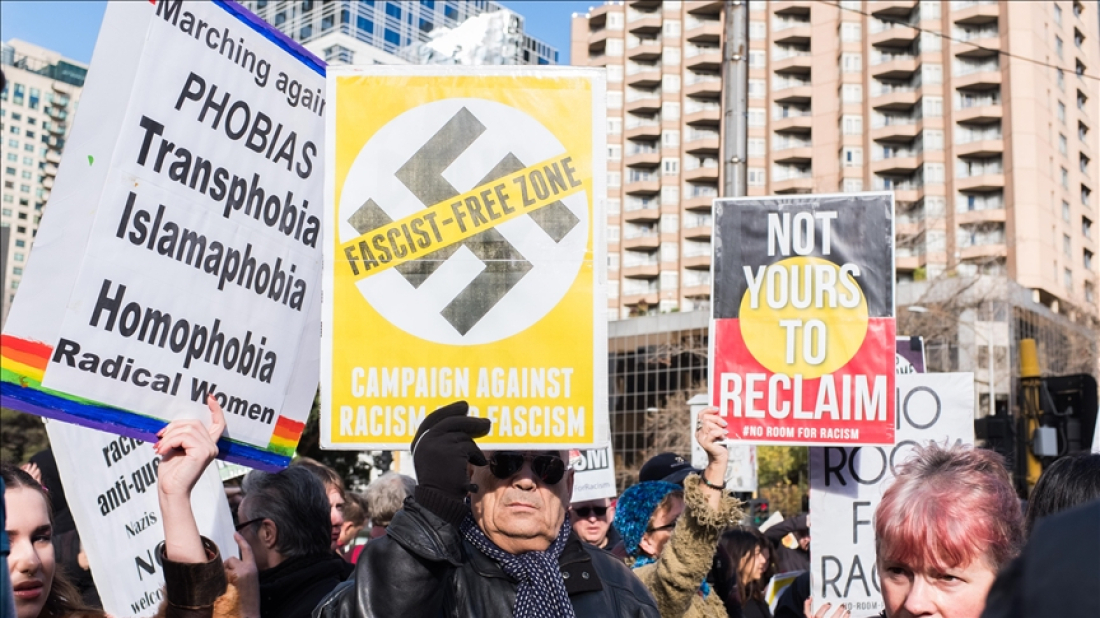
The Australian Senate has passed a new "controversial" law that will imprison people found guilty of some terrorism offenses or displaying "terror symbols," with critics fearing that the legislation will disproportionately harm marginalized people in the country.
Individuals convicted of terrorism-related offenses, financing terrorism, or displaying terror symbols will face mandatory prison sentences under new legislation passed on Thursday by both the Labour and opposition parties.
Critics argue that the law may unfairly impact Australia's marginalized communities while also being inconsistent with Australian tradition, according to SBS News.
Liberal MP Andrew Hastie criticized the legislation, arguing that allowing politicians to determine punishments in any given case is extremely risky.
The "toughest laws Australians ever had," coined by Home Affairs Minister Tony Burke, specify a one-year mandatory sentence for showing Nazi or terrorist symbols, three years for terrorism financing, and six years for other terrorism-related crimes, the broadcaster reported.
The law comes amid the rise of cases of antisemitism in Australia.
This new law's stance on mandatory jail time also contradicts Prime Minister Anthony Albanese's Labor Party platform, which states that minimum sentencing is "discriminatory in practice."
"We want people who are engaged in antisemitic activities to be caught, to be charged, and put in the clink. That's my priority," Albanese was quoted as saying by SBS while defending the law.
Separately, the Israeli Foreign Ministry praised Australia on the legislation, stating that “no Jew in Australia, or anywhere in the world, should have to live in fear,” according to the media outlet.

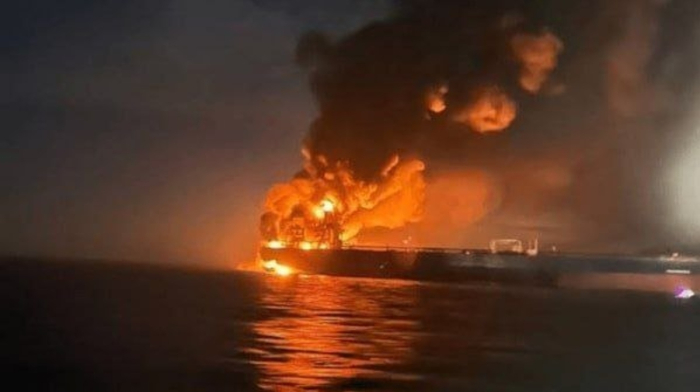
Azerbaijan's Foreign Ministry says 19 citizens have been repatriated following a deadly drone attack on two cargo ships in the Sea of Azov on 5 June.
A Sudanese man has been arrested over a knife attack in Belfast that left a man seriously injured and prompted calls online for a protest after footage of the incident circulated widely on social media.
Iran and Israel said on Monday (8 June) they had halted attacks on each other following an appeal from U.S. President Donald Trump, as Axios reported that Trump had privately told Benjamin Netanyahu “be careful, or you will be on your own very soon”.
Ukraine's military said it struck a Russian "shadow fleet" tanker in the Black Sea as part of ongoing efforts to disrupt Moscow's energy and logistics networks. The move underscores Kyiv's focus on targeting maritime assets it says are used to bypass sanctions on Russian oil exports.
Armenia’s parliamentary election has strengthened Prime Minister Nikol Pashinyan’s mandate, with analysts linking the result to his post-Garabagh agenda and pro-Western direction. However, constitutional constraints remain a key obstacle to peace efforts with Azerbaijan.
As global diplomatic dynamics continue to evolve, the European Union is reassessing its ability to respond effectively to major international developments, prompting renewed debate over defence coordination, foreign policy decision-making and institutional reform.
The FIFA World Cup 2026 is set to be one of a kind when it kicks off on 11 June, as it brings with it a slew of firsts ahead of co-hosts Mexico taking on South Africa in the opening match.
Turkish President Recep Tayyip Erdoğan has warned that Israel’s military operations in Syria and Lebanon have escalated to a point where they could threaten Türkiye, describing Israel’s actions as “aggression” that poses a broader global risk.
More than 1,300 migrants died or went missing while attempting to reach Spain between January and May 2026, according to Spanish NGO Caminando Fronteras, highlighting the continuing dangers of one of the world's deadliest migration corridors.
Rescuers searched the rubble of a collapsed building in the southern Philippine city of General Santos on Tuesday after a powerful earthquake killed at least 37 people and injured hundreds across the country.
You can download the AnewZ application from Play Store and the App Store.
What is your opinion on this topic?
Leave the first comment