Within a week of the death of Darya Shipilova, a 28-year-old worker at a Siberian plague institute, a neighbouring governor raised the possibility of plague, regulators found no evidence of it and Irkutsk lifted its quarantine. What killed her remains unexplained.
Timeline of official statements
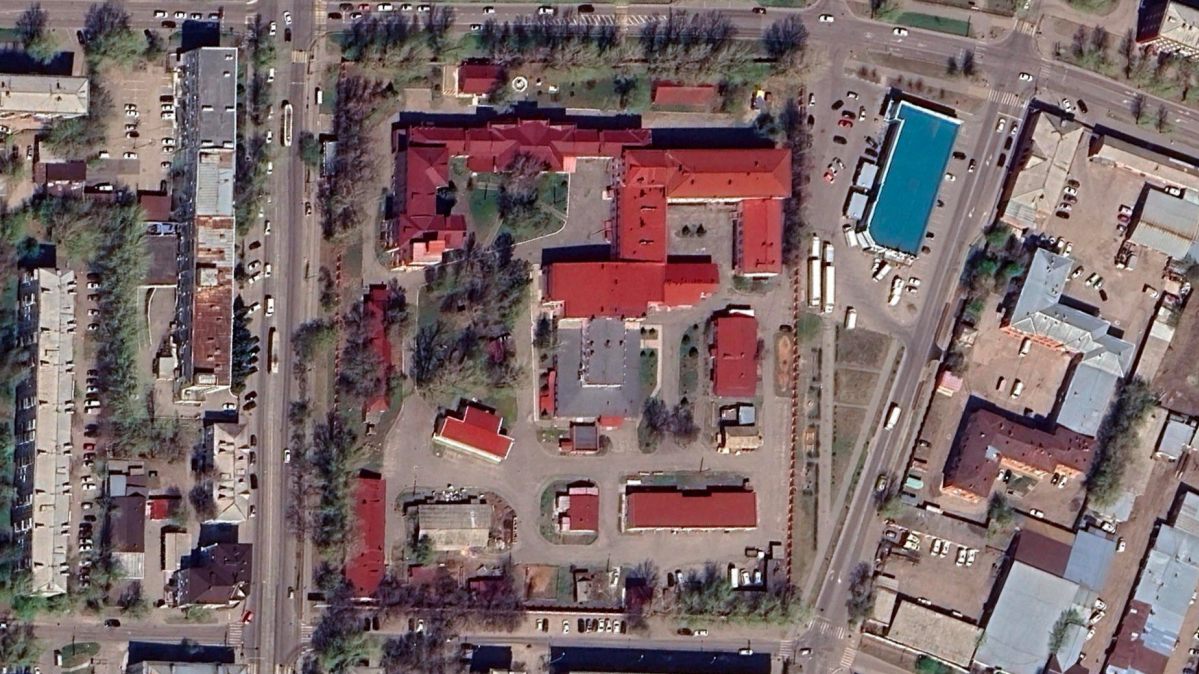
29 September. Shipilova was hospitalised with severe pneumonia, according to the World Health Organization (WHO). She worked at the Irkutsk Anti-Plague Research Institute of Siberia and the Far East.
2 October. She died in Shelekhov, a satellite city of Irkutsk, according to Meduza. The Irkutsk branch of Russia’s health regulator, Rospotrebnadzor, issued a public statement the same day saying a special commission had been convened over a suspected case of a high-threat pathogen, the WHO said. The WHO learned of the death from media reports.
Early October. Alexey Tsydenov, the governor of the neighbouring Republic of Buryatia, raised the possibility that she had died of plague. Reports differed on whether he presented this as a confirmed diagnosis or a possibility: the Kyiv Post said he described a confirmed case of pneumonic plague, while Reuters said he suggested only that she may have died of it. He later softened his comments.
3 October. The WHO first contacted Russian authorities to verify the reports, and followed up on 5, 6 and 7 October.
4 October. Rospotrebnadzor said she had been diagnosed with “pneumonia of unknown etiology” and that extensive testing found no microorganisms linked to her professional activities, the Associated Press reported. Reuters reported that the regulator’s head, Anna Popova, flew to Siberia for an emergency meeting over the weekend.
5 October. Irkutsk Governor Igor Kobzev said she had died of pneumonia of unknown aetiology and that no new cases had been reported among institute staff, Reuters reported. The independent outlet Liudi Baikala, quoting unnamed sources, reported that she died of pneumonic plague and that several Irkutsk hospitals had been quarantined. Russia later told the WHO that, apart from the hospital where she was treated, no other healthcare facility was quarantined. The Irkutsk Aluminum Plant in Shelekhov told staff to wear masks as a precaution, its director said on Telegram.
6 October. Russia replied to the WHO that no case of plague had recently been registered in Irkutsk Oblast and that about 200 contacts had been placed in quarantine, WHO Director-General Tedros Adhanom Ghebreyesus said.
7 October. Tedros said the WHO had asked Russia to clarify media reports of a second employee with pneumonia of undetermined cause. Rospotrebnadzor said there was no risk of an epidemic and that it was winding down its precautions, according to Reuters. U.S. President Donald Trump said he believed Moscow had the situation under control and that Washington did not think a bioweapon was involved.
8 October. Kobzev announced that the quarantine measures were complete, according to Xinhua news agency. Meduza reported that he said Shipilova had been vaccinated against the pathogens she worked with and that no accidents with pathogens had been found at the institute. Al Jazeera reported that Russia dismissed the second-case reports as false information.
10 October. The WHO published its assessment, summarised below.
What Russian authorities told the WHO
According to the WHO’s account of Russia’s reports:
About 200 contacts were medically monitored for seven days, with daily laboratory testing, and all remained free of symptoms.
More than 5,500 laboratory tests found no high-threat pathogens, and the patient and contacts were tested for a broad range of microorganisms, including plague.
Two independent investigations found no biosafety or biosecurity incident at the institute.
No further cases of severe pneumonia were linked to her.
She had not travelled outside Irkutsk Oblast in the two weeks before her symptoms began.
Russian authorities classified the death as pneumonia of undetermined aetiology and reported that testing had not detected plague or other tested high-threat pathogens. They also said Shipilova had been vaccinated against the pathogens she worked with.
What the WHO says
The WHO said it had found no evidence of ongoing transmission linked to the case, based on information provided by Russian authorities. On Saturday 11 October, the WHO said it still does not know what caused the pneumonia that killed Shipilova, and that no case of plague had been registered.
The organisation said it could not independently determine whether the reported seven-day monitoring period was sufficient to exclude every plausible cause of illness. It also said a laboratory-associated exposure could not be fully ruled out at this stage, although the information provided by Russia did not identify a laboratory incident. It added that its biosafety recommendations were precautionary and did not imply that an incident had occurred.
The WHO said it would continue monitoring the situation as further clinical, epidemiological and laboratory information became available. It does not advise any restrictions on travel or trade related to the case.
Claims without public evidence
Several accounts spread online after her death. One said she dropped a test tube containing live bacteria at work, a claim the Russian news journal Liudi Baikala also reported. Russia told the WHO that such media reports were inaccurate. Others said she fell ill after travelling to Thailand or Moldova, or after visiting an area near the Mongolian border, and Reuters found no public evidence supporting them. CNBC cited the Telegram channel Mash as saying she had returned from a work trip to Buryatia.
The WHO asked Russia to verify media reports of a second employee with pneumonia of undetermined cause. Russian authorities denied the reports, and Reuters reported that it had found no evidence that a second person had died.
Reaction beyond Russia
Kazakhstan, Kyrgyzstan and Uzbekistan said they were stepping up precautions at their borders. The WHO and the U.S. asked Russia for more information. Public health experts have urged caution, noting that only one case has been reported.
Plague in brief
The germ: Plague is caused by Yersinia pestis, a bacterium carried by rodents and other small mammals and spread by their fleas.
How people catch it: Through bites from infected fleas, contact with infected tissue or materials and, in pneumonic plague, by inhaling infectious respiratory droplets.
Three forms: Bubonic plague swells the lymph nodes, septicaemic plague affects the bloodstream, and pneumonic plague affects the lungs and can spread between people.
Treatment: Plague can be treated with antibiotics if it is diagnosed promptly, but it can be deadly if left untreated.
Where it occurs: It persists in animal populations across parts of Africa, Asia and the Americas, including wild small mammals in Siberia. The WHO says the Democratic Republic of the Congo and Madagascar have reported most human cases in recent years. Cases in Russia are rare.
Plague is best known for the Black Death, which killed tens of millions of people in 14th-century Europe. Today it can be treated with antibiotics if diagnosed promptly, although it can be deadly if left untreated.
Open questions
The cause of Shipilova’s pneumonia and the source of her infection remain unknown. Russian authorities say their tests did not detect plague and that two investigations found no laboratory incident, but the WHO says the diagnosis is unconfirmed, a laboratory-associated exposure cannot be fully excluded, and further clinical and laboratory information is needed. It is also unclear whether Russia will publish the evidence behind its conclusions.
Read more:
















What is your opinion on this topic?
Leave the first comment