Iraqis celebrated the departure of U.S forces after more than two decades of war on Wednesday, but the withdrawal is also raising concerns about the country’s ability to maintain security without a Western military presence.
The final U.S. troops left Iraqi bases, mainly from an airbase in the semi-autonomous Kurdish region of Erbil. The withdrawal formally ends the U.S.-led coalition’s military mission in Iraq under an agreement reached in 2024.
U.S. forces first invaded Iraq in 2003 to topple Saddam Hussein, triggering years of upheaval and violence. American troops withdrew at the end of 2011 but returned less than three years later after Islamic State fighters seized large parts of the country.
The Pentagon said the United States and its coalition partners have now formally concluded Operation Inherent Resolve. Washington will continue to provide targeted training and intelligence support to Iraqi partners.
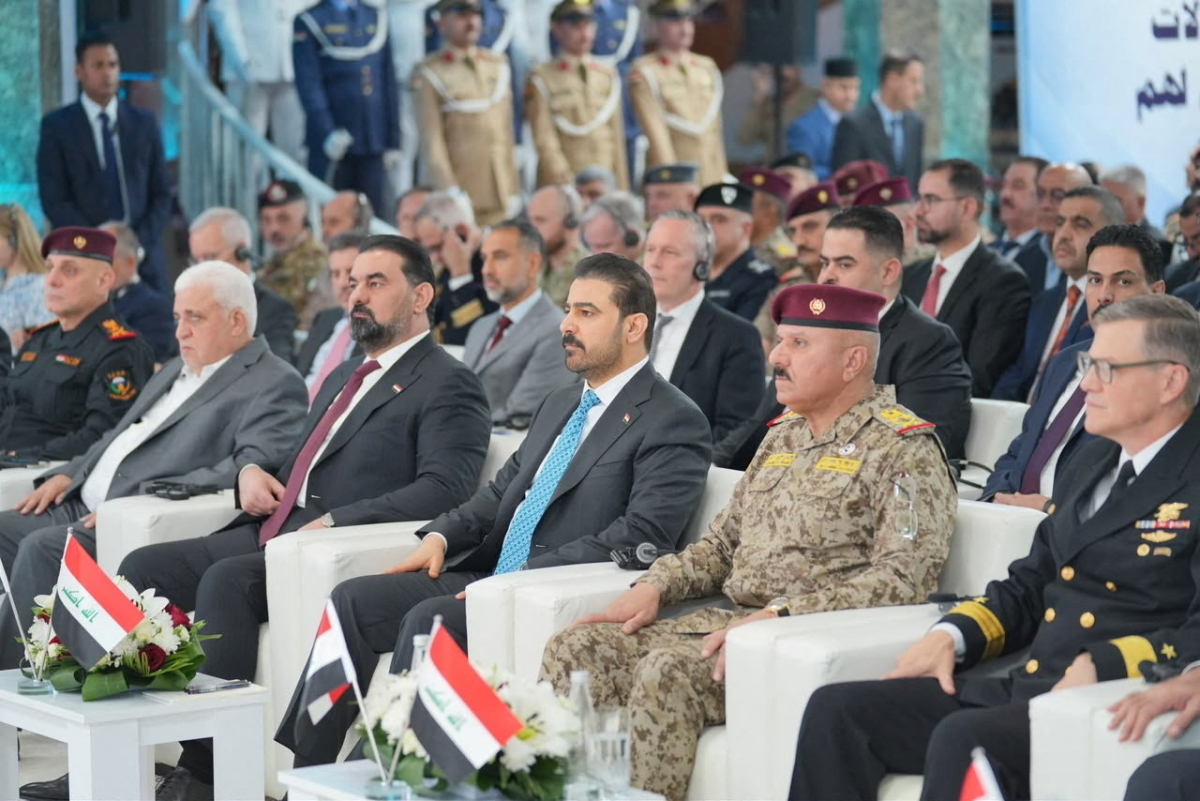
Iraqi Prime Minister Ali Faleh al-Zaidi said the end of the international coalition’s mission did not mean the end of the country’s fight against terrorism. He said Iraq was entering a new phase in which it would assume full responsibility for its security and stability.
Iran-backed groups celebrate
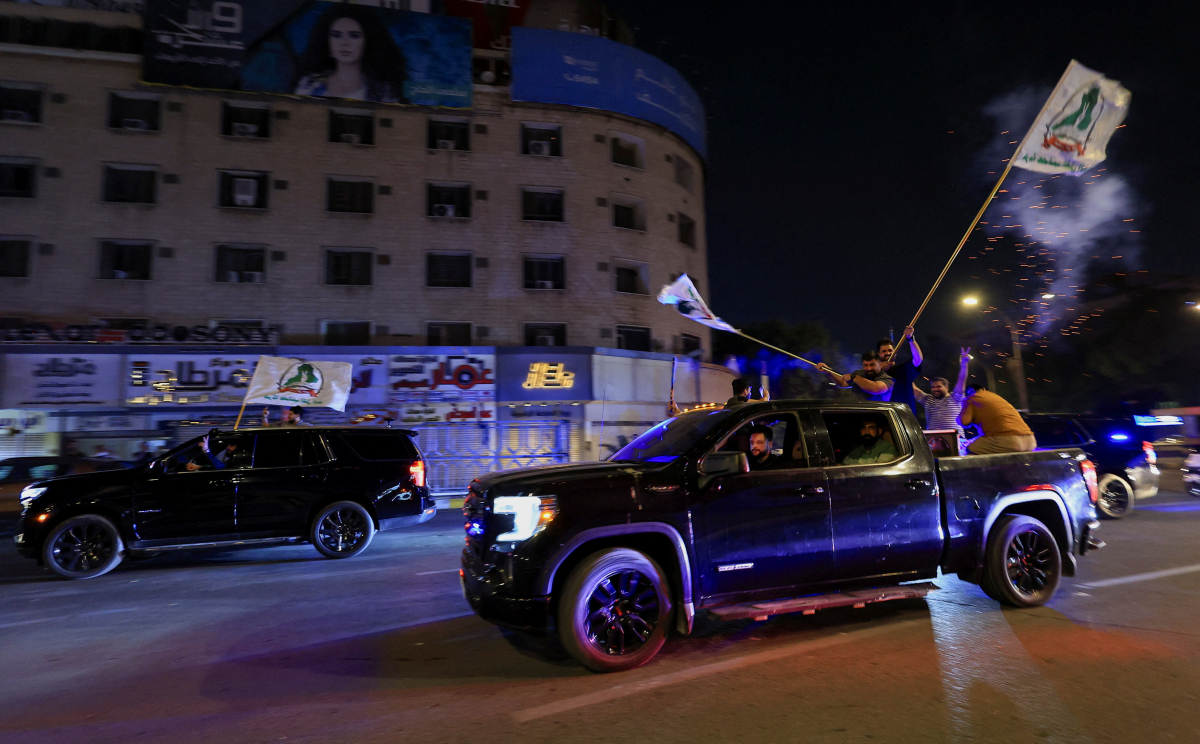
Iran and its allied armed groups have welcomed the U.S. departure. Tehran views the withdrawal as a victory for its regional network of allied groups, which it calls the “axis of resistance”.
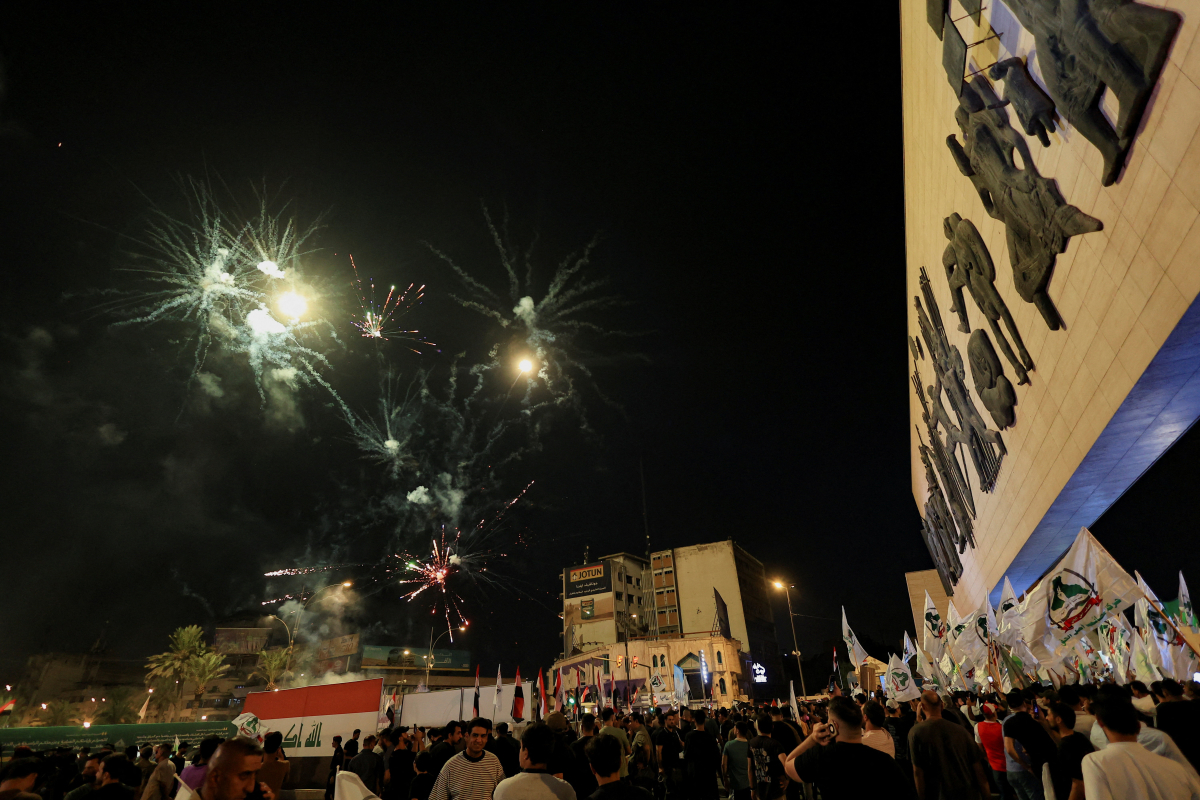
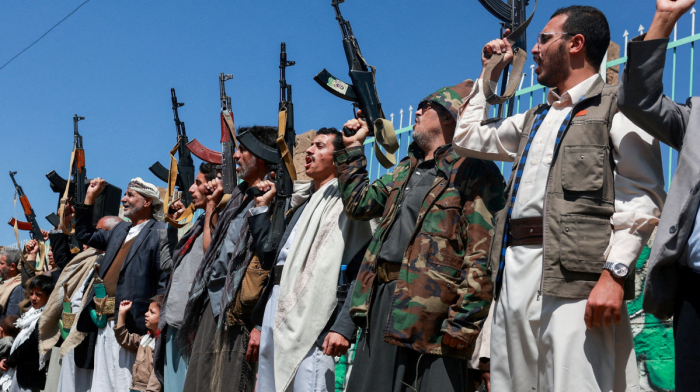
Hundreds of supporters of pro-Iranian Iraqi militias gathered in Baghdad to celebrate the pullout, chanting anti-American slogans and carrying portraits of Iranian and Iraqi militia figures.
Baghdad-based analyst Ahmed Younis said the withdrawal could give Iran-backed groups greater room to expand their influence in Iraqi politics and state institutions.
Concerns over a security vacuum
While the withdrawal is broadly popular among Iraqis, some fear that the country’s security forces may struggle to contain remaining threats.
Iraqi analyst Jassim al-Bahadli warned that “security vacuums can be extremely dangerous”, while others raised concerns about armed groups operating outside government control and the continued presence of Islamic State sleeper cells.
The last U.S. withdrawal was followed by the rise of Islamic State, which captured Mosul in 2014 after Iraqi soldiers fled the city. Some security officials now fear history could repeat itself if Iraq’s institutions are not prepared for the post-coalition period.
Iraq takes full responsibility
The United States invaded Iraq more than two decades ago, and more than 4,500 U.S. troops died during the conflict. The Iraq Body Count project estimates that more than 200,000 Iraqi civilians were killed.
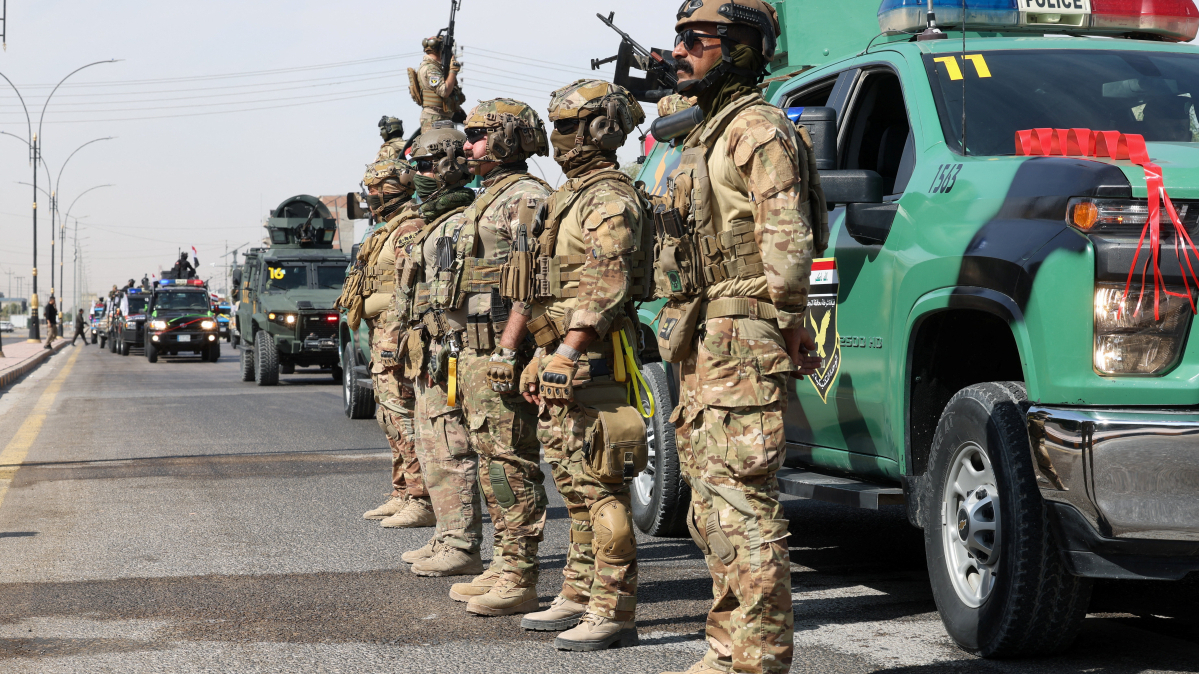
The U.S. departure now places the responsibility for maintaining Iraq’s security firmly on Iraqi forces.
The key question, according to retired Iraqi Army General Mohammed al-Jubouri, is whether Iraq’s security institutions have a viable “Plan B” for the post-coalition era.
Read more:











What is your opinion on this topic?
Leave the first comment