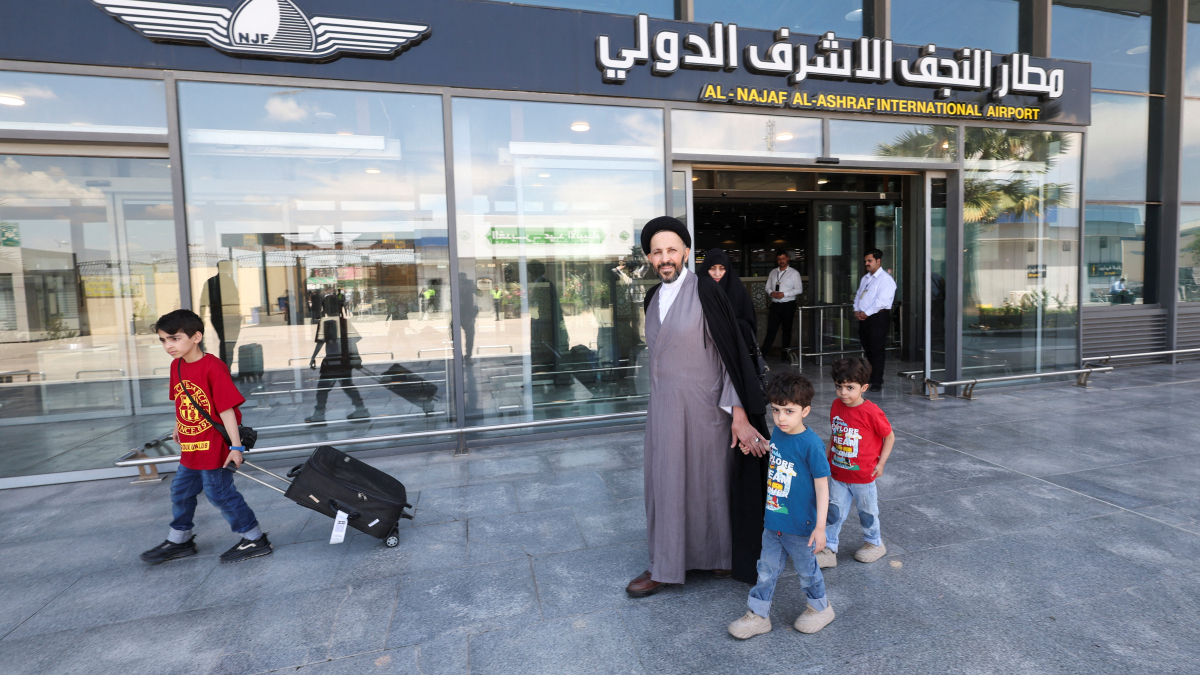
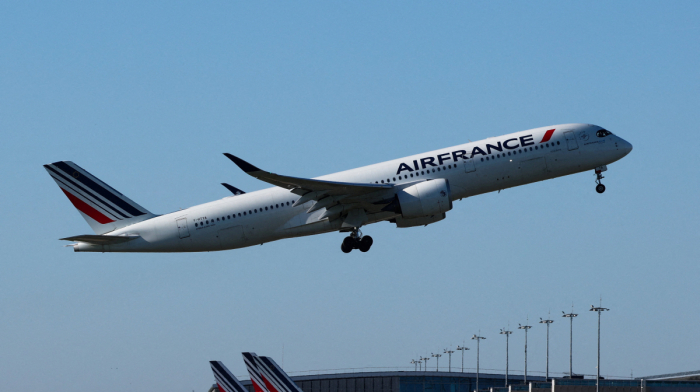
Iraq has returned restricted airspace across the western part of the country to civilian authorities, ending limits imposed for military operations against Islamic State since 2016, the Transport Ministry said.
The ministry said all previously reserved airspace zones stretching across western Iraq from north to south had been handed over to the authority responsible for airports and air navigation.
The move is expected to give Iraqi aviation authorities greater flexibility to redesign flight routes, ease restrictions on aircraft movements and improve the efficiency of airspace use.
The restricted zones were established in 2016 and 2017 when large areas of Iraq’s western desert were used for military operations against Islamic State.
Ehab Saad Karim, Director of the General Company for Airports and Air Navigation Management, said the military air zones listed in Iraq’s aeronautical guide were no longer being used for military operations.
He said the decision followed years of technical and institutional work aimed at improving the flow and efficiency of air traffic.
According to Karim, reopening the routes could increase aviation revenue, improve civilian air traffic and support the national economy.
Transport Ministry spokesperson Hussein Ahmed told Reuters that the remaining technical and regulatory procedures are expected to be completed by 1 October.
The ministry said the lifting of restrictions is also part of withdrawal procedures linked to arrangements between Iraq and the United States for the departure of remaining troops from the U.S.-led international coalition.














What is your opinion on this topic?
Leave the first comment