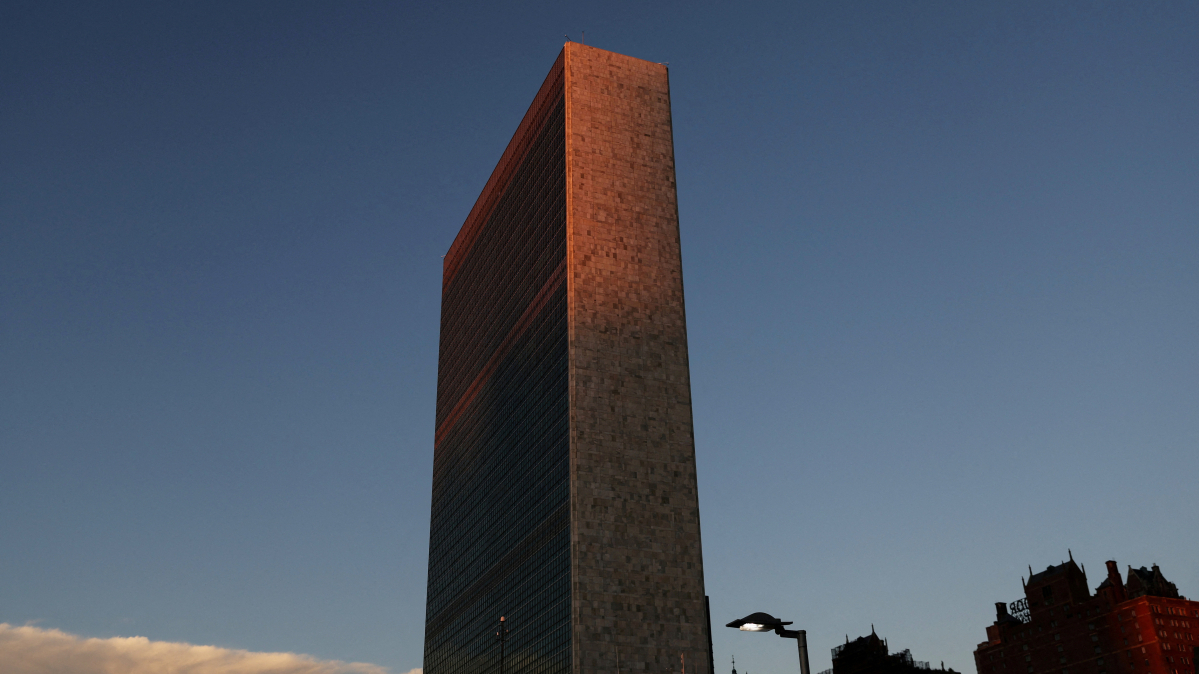
World leaders are set to gather at the United Nations General Assembly in New York for several days of high-level debate, with Iran, Ukraine, artificial intelligence (AI) and a range of global crises expected to dominate discussions this week.
The 81st session of the General Assembly begins on Tuesday (22 September) against the backdrop of conflicts and growing international tensions and ends on Monday (28 September).
The UN has 193 member states, while leaders from the Holy See and the State of Palestine, as observer states, and the European Union can also address the assembly.
Who speaks when?
Brazil will traditionally be the first member state to speak, followed by the United States as host of the UN headquarters.
From there the list is then based on hierarchy and generally on a first-come, first-served basis. Heads of state speak first, followed by deputy heads of state and crown princes, heads of government, ministers and lower-ranking heads of a delegation.
Leaders are generally given a voluntary 15-minute speaking limit, although some historic speeches have gone far beyond that.
According to UN records, one of the longest speeches made during the opening of a General Assembly was in 1960 by Cuban leader Fidel Castro who spoke for about 4-1/2 hours. Libyan leader Muammar Gaddafi spoke for more than 1-1/2 hours in 2009.
This year's theme is “Restoring Trust, Managing Transformation: A United Nations That Delivers for All.”
Other topics that leaders are likely to address and discuss in meetings on the sidelines of the General Assembly include Iran, Ukraine, AI, Israel and Palestinians, Sudan, climate change and the race to appoint a new UN Secretary-General.
Iran and the Middle East
Iran is expected to be a major focus after seven months of war between the United States, Israel and Tehran.
Iranian President Masoud Pezeshkian is scheduled to address the General Assembly on Wednesday, after the Trump administration approved visas for a smaller delegation.
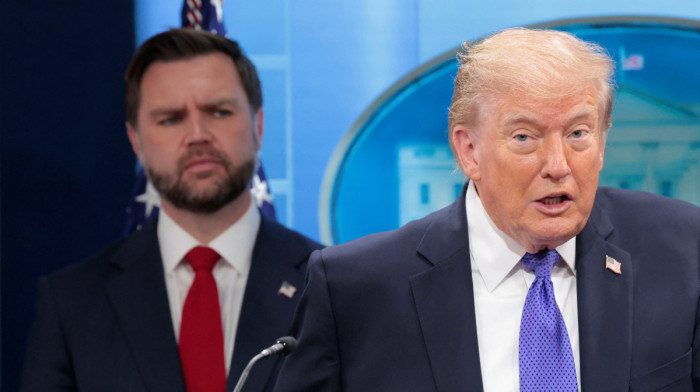
U.S. President Donald Trump, Israeli Prime Minister Benjamin Netanyahu and leaders involved in efforts to mediate an end to the conflict are also expected in New York. However, diplomats do not expect a major breakthrough in the stalled negotiations.
Ukraine
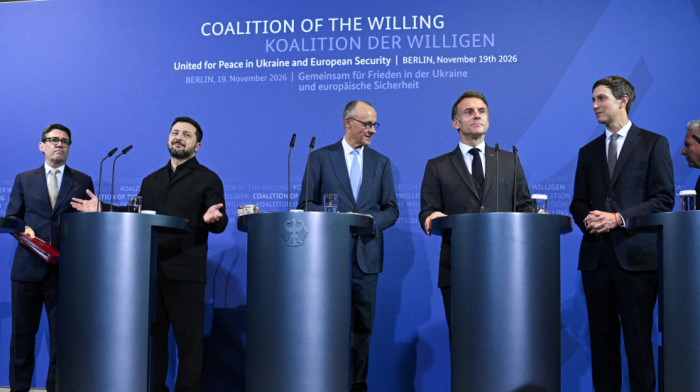
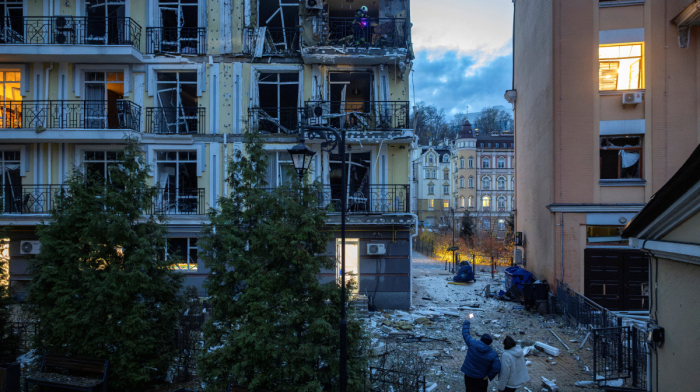
Ukrainian President Volodymyr Zelenskyy is due to address the assembly on Wednesday as Washington continues efforts to end the war with Russia.
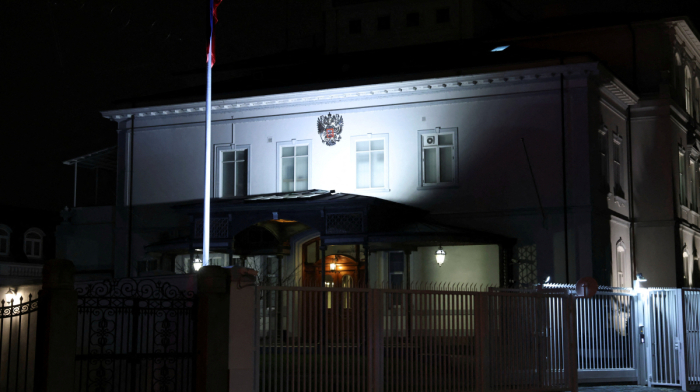
Russia's Foreign Minister Sergei Lavrov is scheduled to speak on Saturday. The UN Security Council is also expected to hold a high-level meeting on Ukraine, although its ability to act remains constrained by Russia's veto power.
Artificial intelligence
The assembly comes shortly after several AI industry leaders called for a coordinated slowdown in the development of increasingly powerful systems, warning that they could eventually become difficult to control.
UN Secretary-General Antonio Guterres said the warnings cannot be ignored and called for countries at the forefront of AI development to establish “common guardrails” to prevent what he described as a race to the bottom.
The Security Council may also hold an informal meeting on AI during the week.
Israel and the Palestinians
Israeli Prime Minister Benjamin Netanyahu is due to address the General Assembly on Thursday, while Palestinian President Mahmoud Abbas is expected to appear by video after the United States said it would not issue him a visa.
A high-level meeting promoting a two-state solution is also expected on the sidelines, although diplomats do not anticipate significant progress.
Sudan
Sudan's war is also expected to feature prominently, with a high-level meeting planned on the conflict that has displaced more than 14 million people.
General Abdel Fattah al-Burhan, head of the Sudanese army and head of state after the overthrow of veteran leader Omar al-Bashir in 2019, is due to address the General Assembly on Thursday.
Climate change
Climate change will be another key issue, particularly for small island states and countries most vulnerable to rising temperatures. The discussions come as the world continues to struggle to meet the Paris Agreement goal of limiting warming to 1.5 degrees Celsius.
Next Secretary-General
The General Assembly will also take place as the UN begins the process of selecting a successor to Secretary-General Antonio Guterres, whose second term ends on 31 December, 2026.
The UN Security Council has to agree on a candidate to recommend to the 193-member General Assembly for election, which means the five council veto powers – Britain, China, France, Russia and the U.S. – have to agree.








What is your opinion on this topic?
Leave the first comment