Israel has ordered the closure of the British consulate in East Jerusalem and banned 12 British nationals from entering the country, escalating a diplomatic row with London over Israeli settlements in the West Bank.
Israeli Foreign Minister Gideon Sa’ar announced the measures after Britain said it would restrict imports from Israeli settlements and impose sanctions on people and companies involved in settlement expansion.
Israel announces retaliatory measures
Sa’ar said the decision had been agreed with Prime Minister Benjamin Netanyahu and included several measures targeting British diplomatic and security activities.
“As stated with the agreement of Prime Minister Netanyahu on the following Israeli countermeasures,” Sa’ar said.
He listed the closure of the British consulate, the removal of British representatives from the International Gaza Support Center in Kiryat Gat and an end to British training for Palestinian Authority forces in the West Bank.
Israel will also bar 12 British elected officials and other nationals from entering the country, according to Sa’ar.
He accused those targeted of involvement in “anti-Semitic and anti-Israel activity” and of denying “the very existence of the state of Israel”.
Israeli public broadcaster KAN reported that Britain had been given 30 days to close the consulate, after which British diplomats stationed there would lose their accreditation.
Britain takes tougher line on settlements
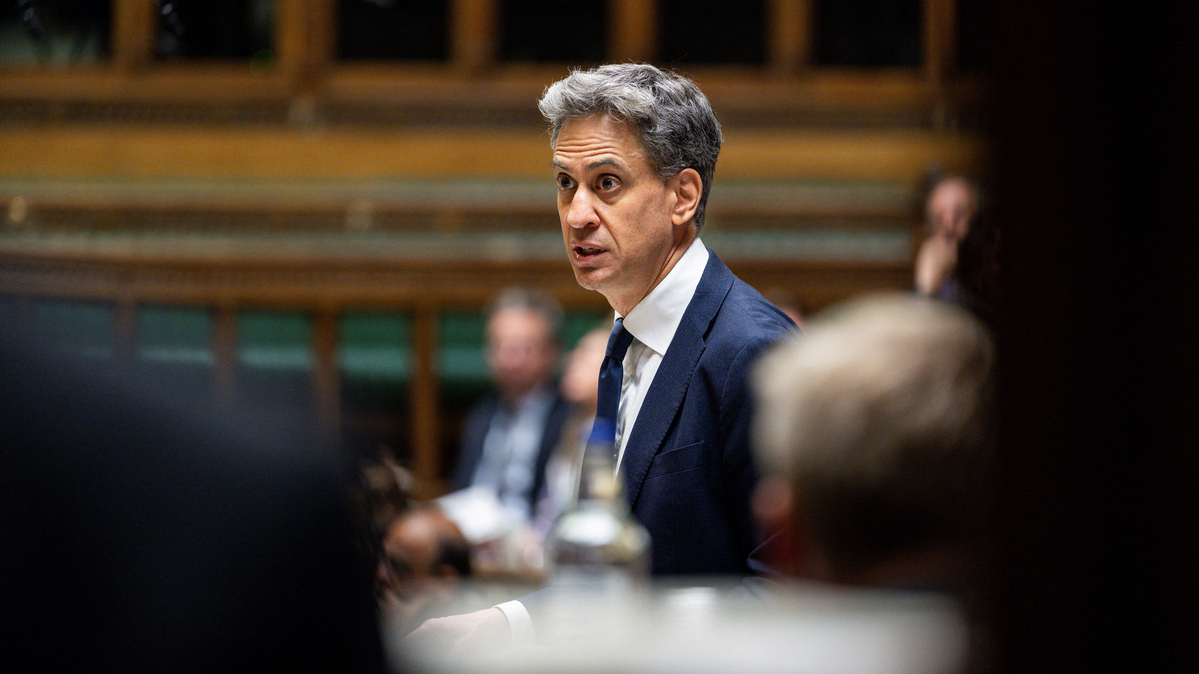
The Israeli measures followed a series of announcements by British Foreign Secretary Ed Miliband, who told Parliament that the UK would ban imports from Israeli settlements in the West Bank.
Britain also announced sanctions against companies and individuals involved in settlement expansion, as well as further measures against Israeli settlers accused of supporting or encouraging violence against Palestinians.
Miliband said the UK would also reject new arms export licences for items that materially contribute to Israeli activities in the West Bank, while maintaining the suspension of 30 existing licences.
In one of his strongest statements on the issue, Miliband said the British government believed there was “ethnic cleansing of Palestinians” in the West Bank carried out by Israeli “settler terrorists”.
12 countries back restrictions
Britain’s measures have received support from France, Canada and 10 other countries, which said they would introduce or support restrictions on trade with Israeli settlements in the West Bank.
Egypt and Jordan have also welcomed the move, calling for stronger international action to curb settlement expansion.
The measures signal a growing willingness by some Western governments to apply economic and diplomatic pressure over Israel’s settlement policy.
Settlers reject international pressure
Despite growing international criticism, residents of Israeli settlements say they have no intention of leaving.
Ofer Hartov, an Israeli settler, said international pressure would not change their position.
“It doesn't matter what will be the decision by Britain, we will still live here safely connecting to our roots in a democratic state,” he said.
“My message is that I think Europe in general, and Britain specifically need to change and to do this shift and to understand that the Jewish people, the Jewish nation, is here to stay.”
Hartov added: “It's not the West Bank. It's not the British Mandate anymore. It's our state forever.”
Settlement expansion continues
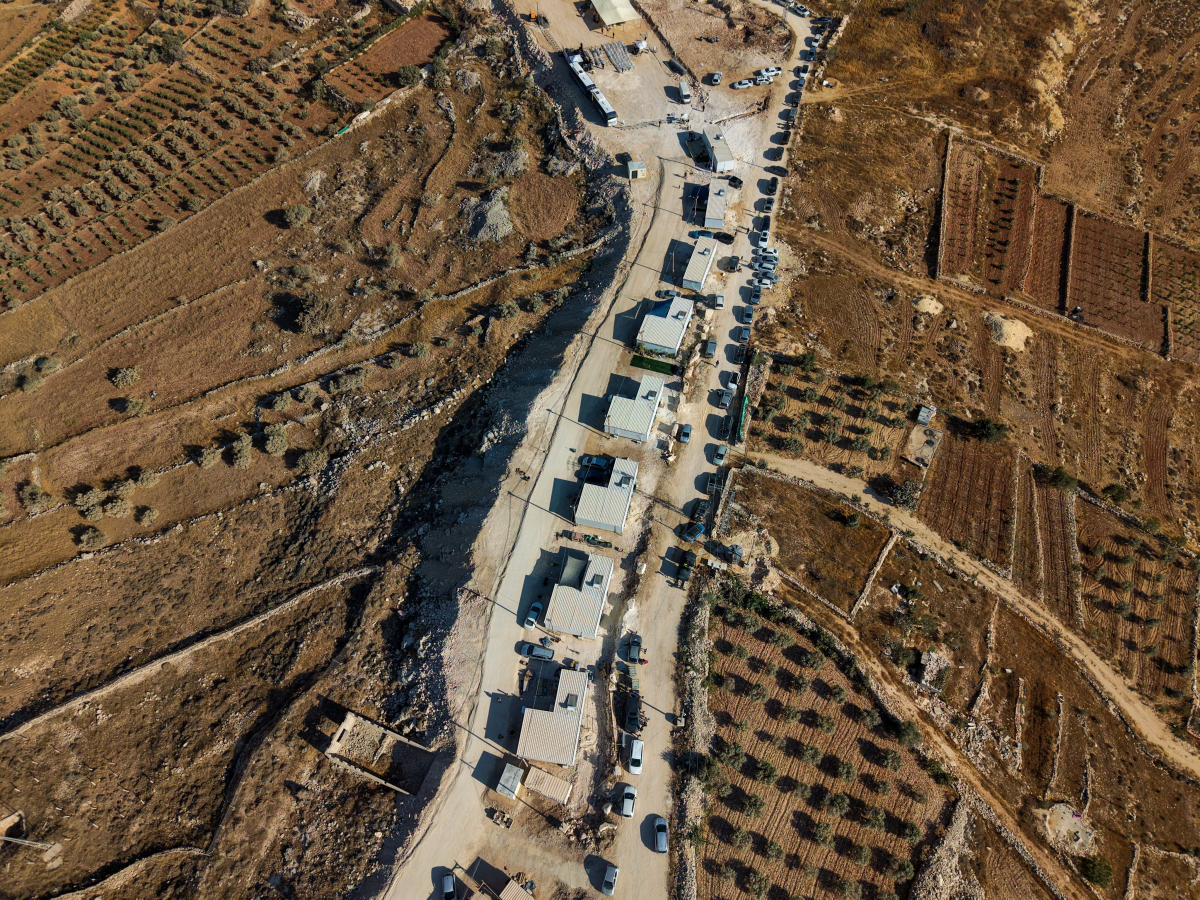
The diplomatic dispute comes as Israel moves ahead with plans for around 1,200 new homes in the West Bank, while Palestinian officials report a rise in settler attacks.
According to Palestinian figures, Israel’s government has approved 104 new settlements since Netanyahu returned to office in late 2022, while 160 agricultural outposts have also been established.
During the first six months of 2026, the Palestinian Colonization and Wall Resistance Commission recorded 3,488 settler attacks in the West Bank. It said 17 Palestinians were killed and 26 Bedouin and pastoral communities were fully or partially displaced, while 42 new outposts were established.
Palestinian figures put the number of Israeli settlers living in the West Bank, including East Jerusalem, at around 750,000 across 194 settlements and 400 outposts.
A growing international dispute
Israel has controlled the West Bank, including East Jerusalem, since 1967. The international community considers Israeli settlements in the territory illegal under international law, while Israel rejects that position.
The latest measures add a new diplomatic dimension to long-running disagreements over settlement expansion and the treatment of Palestinians.
They also come amid wider criticism of Netanyahu’s government, with Israeli opposition figures accusing the prime minister of pushing the country towards greater international isolation.
The closure of the British consulate would mark a significant deterioration in relations between the two countries, while the wider dispute could further strain Israel’s ties with European governments over the West Bank and the war in Gaza.
Read more:















What is your opinion on this topic?
Leave the first comment