Russia’s first State Duma election since the full-scale invasion of Ukraine is testing the country’s political system as voters choose a new parliament amid wartime and economic pressures.
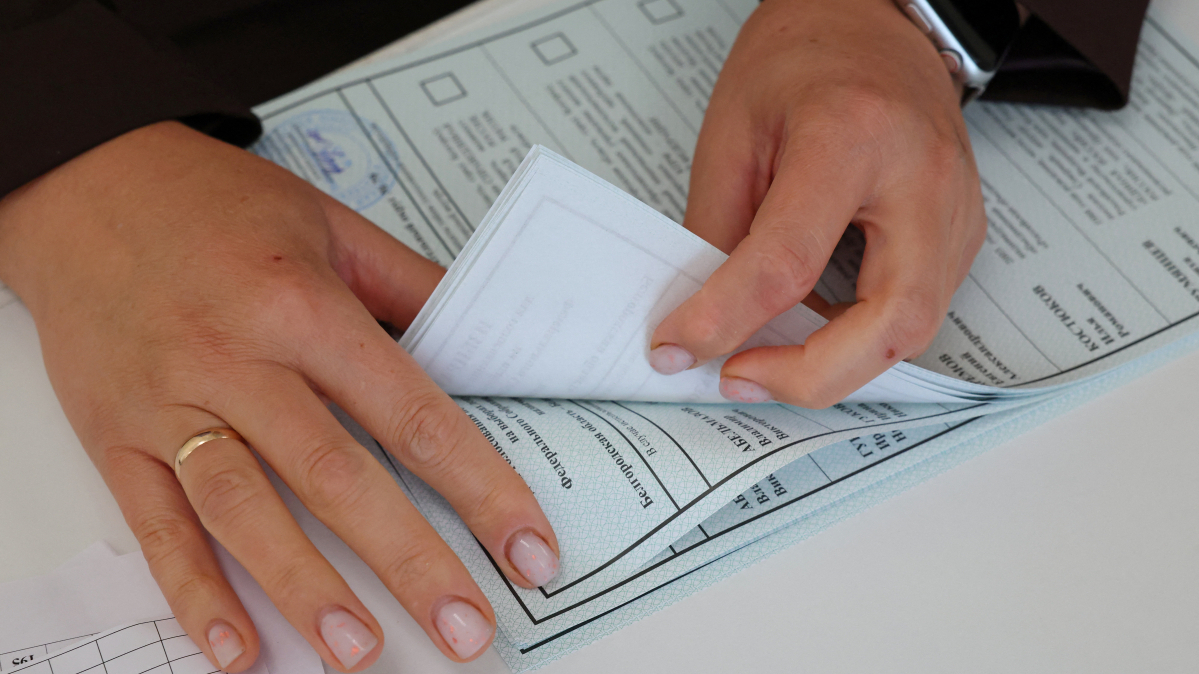
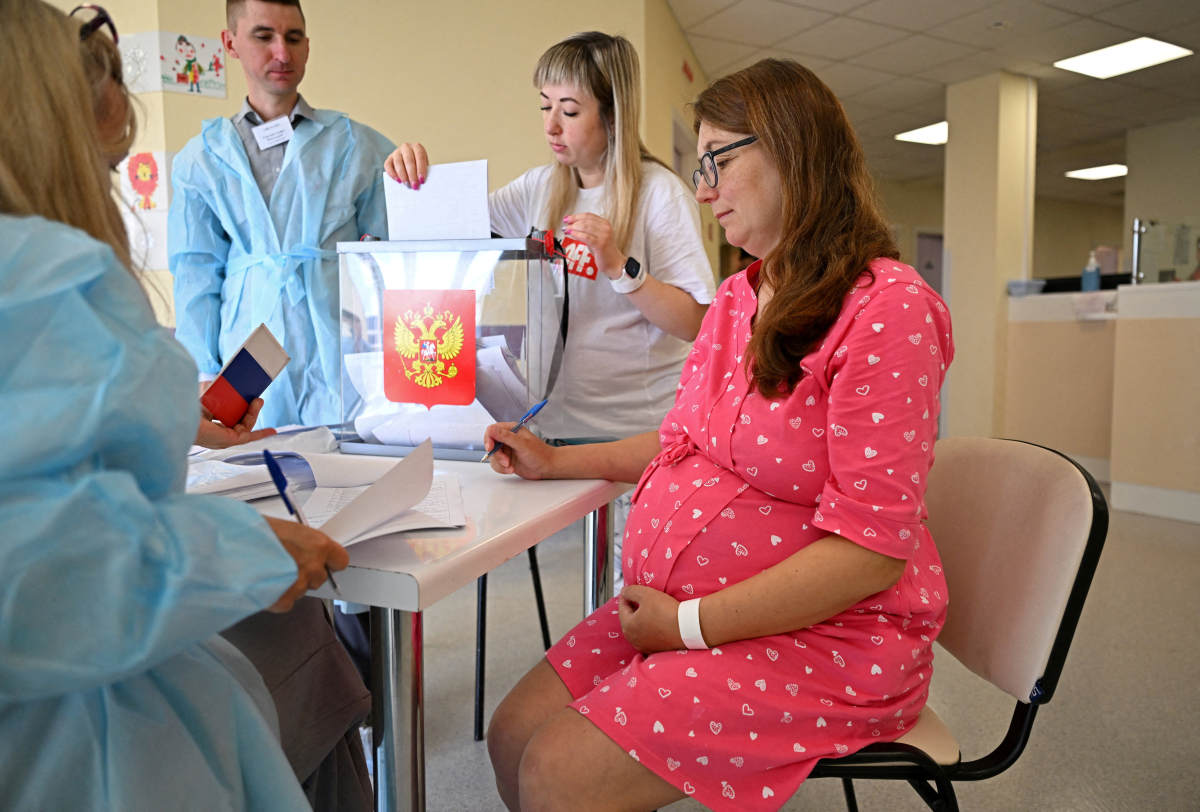
Voting is taking place from 18 to 20 September for all 450 seats in the State Duma, with half contested through party lists and half through single-member constituencies. The election is also being held alongside regional legislative and gubernatorial votes.
Speaking to AnewZ from Moscow, Dmitry Bridzhe, a member of the Middle East and North Africa Editors’ Network, said the election demonstrates what he described as continued competition within Russia’s political system.
Competition within a controlled system
Bridzhe said the election was significant because it was the first State Duma vote since 2022, with the previous parliamentary election held in 2021.
He pointed to the presence of five main parliamentary parties and said they represent different parts of Russian society, although he noted that they broadly support Moscow’s position on what the Russian government calls its “special military operation” in Ukraine.
“The political system in Russia is still trying to demonstrate competition within the system,” Bridzhe said.
The ruling United Russia party remains the dominant force in the State Duma and is closely associated with President Vladimir Putin’s policies. Putin himself has urged Russians to vote, describing participation as a collective contribution to Russia and saying the election would demonstrate national unity.
Removal of Yabloko party
The electoral environment has faced criticism over the exclusion of opposition candidates.
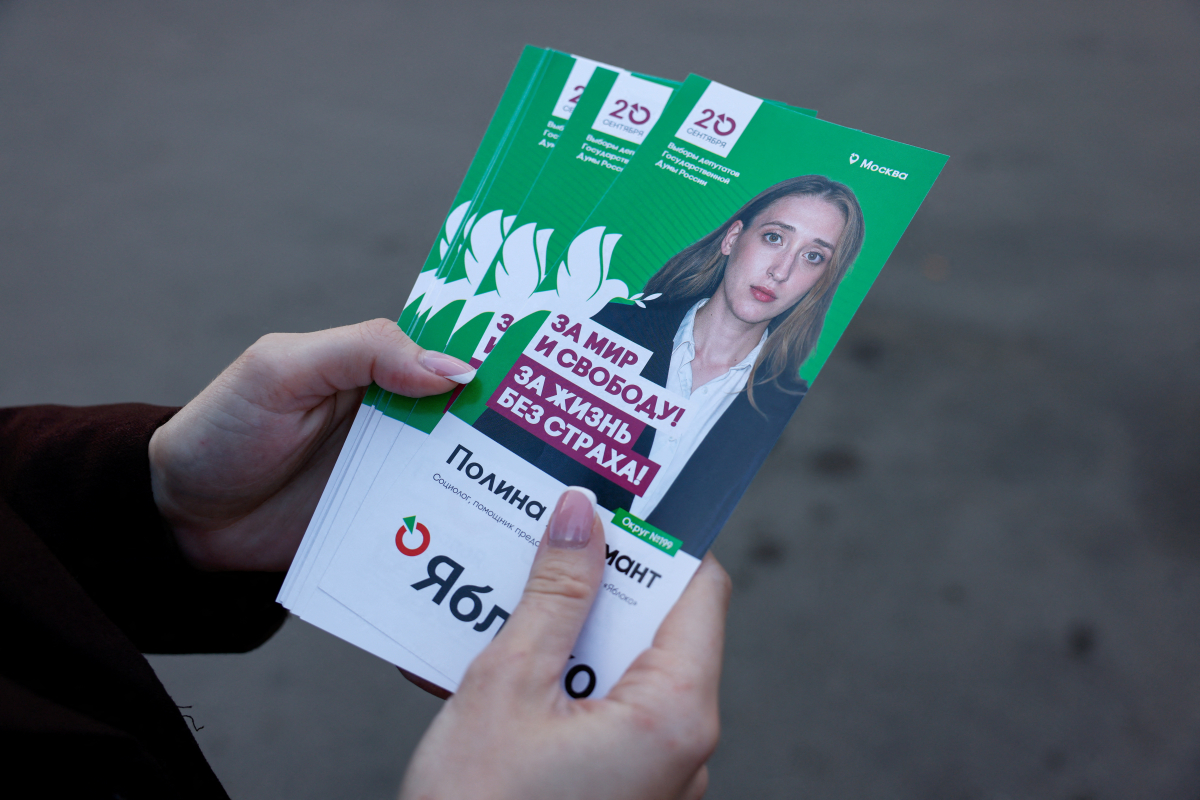
The liberal opposition party Yabloko was removed from the nationwide ballot after the Supreme Court upheld a lawsuit brought by the nationalist Rodina party.
The court cited alleged violations involving the unauthorised use of copyrighted material in campaign activities and money received from individuals who had themselves received foreign financing. Yabloko denied the allegations and appealed the decision, but the Supreme Court’s appeals chamber upheld the ban on 17 August.
The court, however, did not rule on Rodina’s separate allegations that Yabloko’s campaign materials promoted extremism, saying those claims would have to be considered in separate proceedings.
The party has campaigned for an end to the war in Ukraine, making it the only registered party in the 2026 parliamentary race openly running on a pro-peace platform.
Yabloko candidates have nevertheless remained eligible to contest some single-member constituency races, where individual candidates rather than party lists are elected.
New faces, but familiar political structures
Bridzhe said the election could also bring new figures into the State Duma and regional legislatures, but he rejected the idea that the growing presence of war veterans necessarily represents a fundamental change in Russia’s political establishment.
“I don’t think so. We still see the same faces who are, let’s say, shaping or creating the policies,” he said.
He cited Sergei Kiriyenko, a senior Kremlin official, as an example of an established figure continuing to play an important role in Russia’s political system.
At the same time, Bridzhe said some parties had undergone leadership changes. He pointed to Leonid Slutsky’s leadership of the Liberal Democratic Party of Russia following the death of its long-time leader Vladimir Zhirinovsky.
He also highlighted the New People party, which he said offers alternative positions on some domestic issues, including internet restrictions and environmental policy.
According to Bridzhe, these differences demonstrate what he sees as a degree of competition between parties, even within the wider political framework.
Economic pressure adds another challenge
The election is taking place as Russia faces economic pressures linked to the war, Western sanctions and disruptions caused by Ukrainian attacks on infrastructure.
Bridzhe said these pressures were particularly affecting entrepreneurs and the private sector, while drone attacks had disrupted infrastructure, airports and parts of the energy sector in some regions.
“The pressure, of course, is creating difficulties for entrepreneurs and the private sector,” he said.
He argued that attacks on infrastructure and the oil industry were also affecting major Russian companies, naming Gazprom, Lukoil and Rosneft.
Bridzhe said Western sanctions were placing additional pressure on Russia’s banking system, including major banks such as Sberbank, and limiting some international transactions.
At the same time, he described the Russian economy as showing “kind of stable growth” compared with the European economy, while acknowledging the impact of sanctions and other restrictions.
Election as a test of political continuity
For Bridzhe, the parliamentary vote is ultimately part of Russia’s effort to maintain political continuity under wartime conditions.
He said continued political competition was important for the functioning of the system and argued that it could help address governance challenges in Russia’s regions.
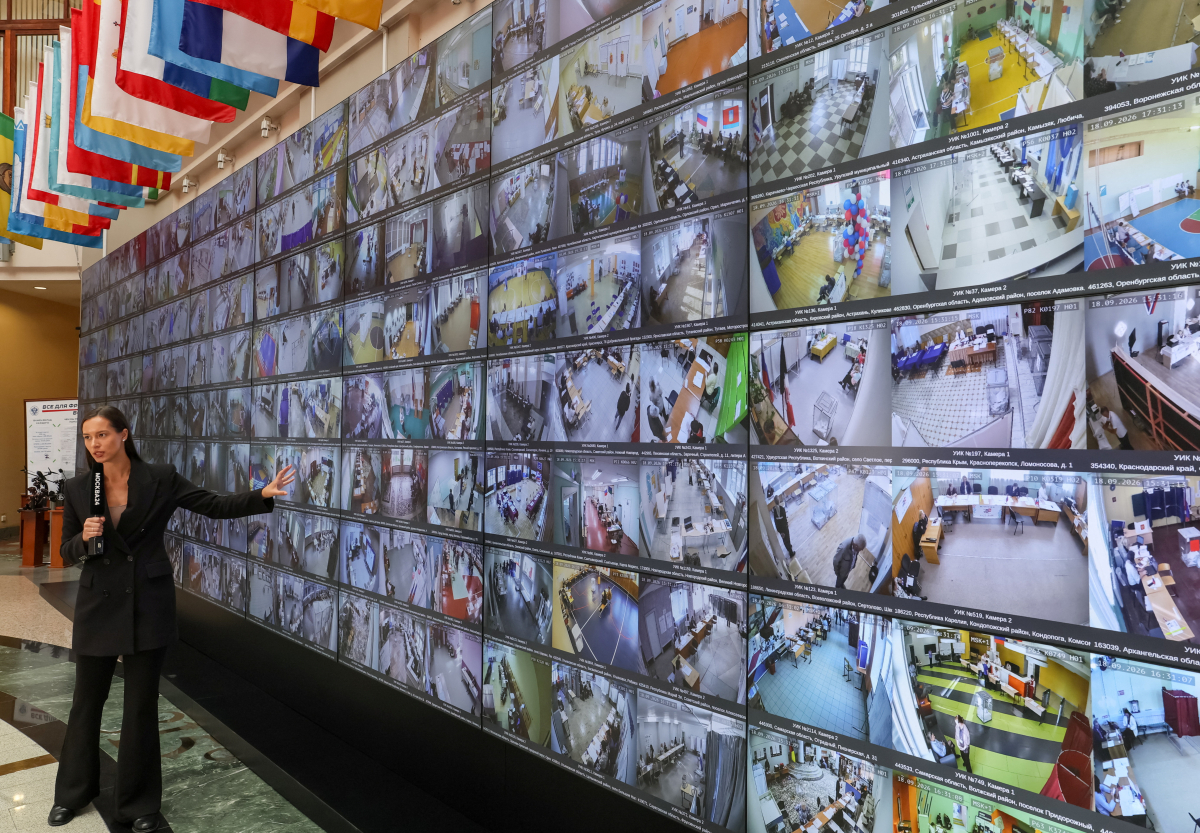
The election is being held across Russia from 18 to 20 September, with electronic voting available in parts of the country. Voting is also taking place in Russian-controlled parts of Ukraine that Moscow claims to have annexed, a move rejected by Ukraine and criticised internationally.
The results will therefore provide a picture not only of the composition of the next State Duma, but also of how Russia’s political system presents continuity and competition more than four years into the full-scale war.
Read more:












What is your opinion on this topic?
Leave the first comment