Nigerian authorities have opened an investigation into the deaths of 37 suspected illegal miners who died while being held at a detention facility in Niger State, an incident that has sparked public outrage, protests and renewed scrutiny of detention conditions in the country.
The miners were arrested earlier this week during a security operation targeting illegal gold mining activities in north-central Nigeria, a region where informal mining has expanded alongside growing competition for valuable mineral resources.
Within days of their arrest, dozens of those being held were found dead while in custody, prompting conflicting accounts about what caused the tragedy.
Conflicting explanations emerge
Officials initially suggested that a disease outbreak may have been responsible for the deaths. The Nigeria Security and Civil Defence Corps (NSCDC), the agency operating the detention facility, said investigators were examining the possibility that an infectious illness had spread among detainees.
However, questions quickly emerged after survivors and relatives challenged that explanation.
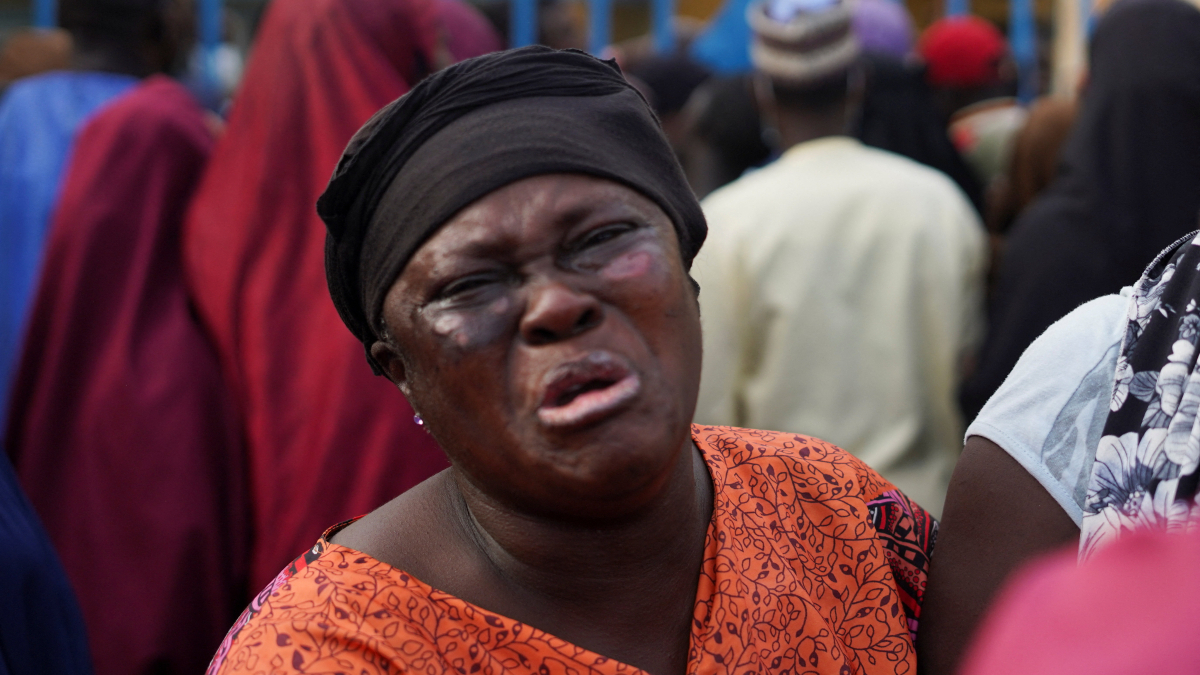
Family members of detainees said those who had visited the facility shortly before the deaths reported no signs of serious illness. Instead, accounts from survivors pointed to severe overcrowding, extreme heat and insufficient ventilation inside the holding facility.
According to relatives, detainees described people collapsing one after another inside the crowded cell before emergency assistance arrived.
Those accounts have intensified pressure on authorities to conduct an independent investigation and release the findings publicly.
Governor orders response
Niger State Governor Mohammed Umaru Bago described the incident as both tragic and unacceptable, announcing a formal inquiry into the deaths.
Authorities have already taken disciplinary action against senior personnel linked to the facility. The state's NSCDC commander was suspended as part of the ongoing investigation, while security agencies have been instructed to determine what happened and whether officials failed in their duty of care.
The governor also declared a period of mourning and paused political campaign activities planned ahead of upcoming elections.
Officials say post-mortem examinations will play a key role in establishing the precise cause of death.
Protests erupt in Minna
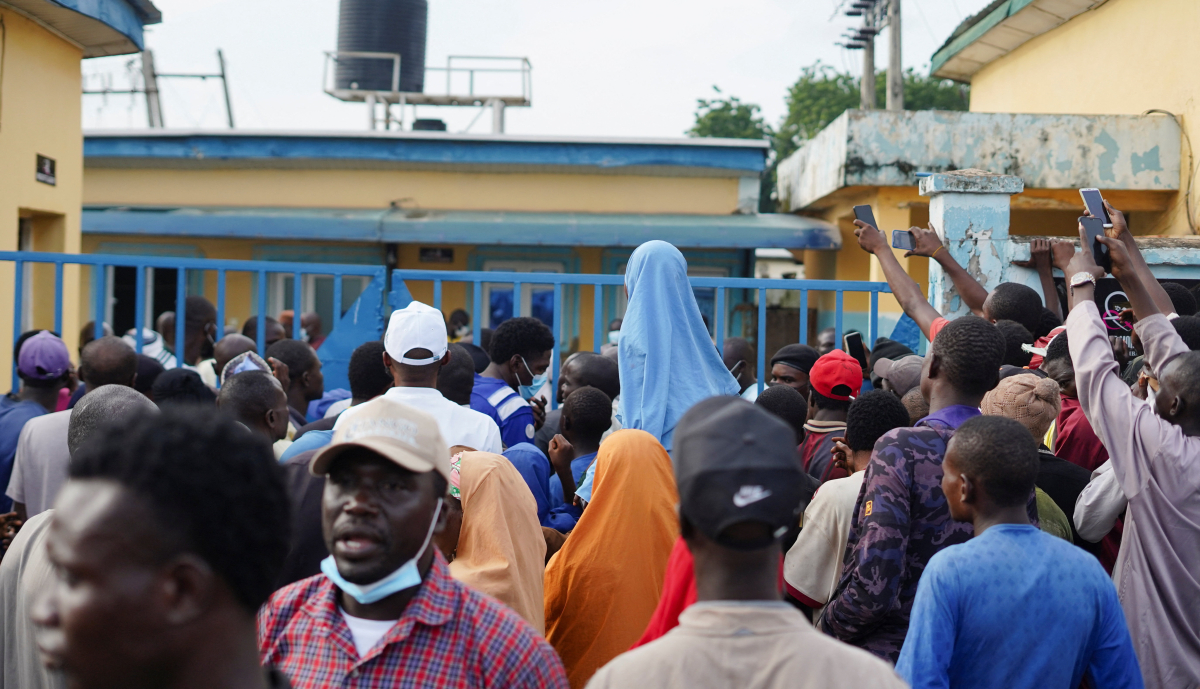
Public anger over the deaths spilled onto the streets of Minna, the capital of Niger State, where demonstrators gathered demanding accountability.
Witnesses said protesters, including relatives of the deceased and members of local mining communities, marched near government and security offices. Security forces responded by deploying tear gas in an effort to disperse the crowds.
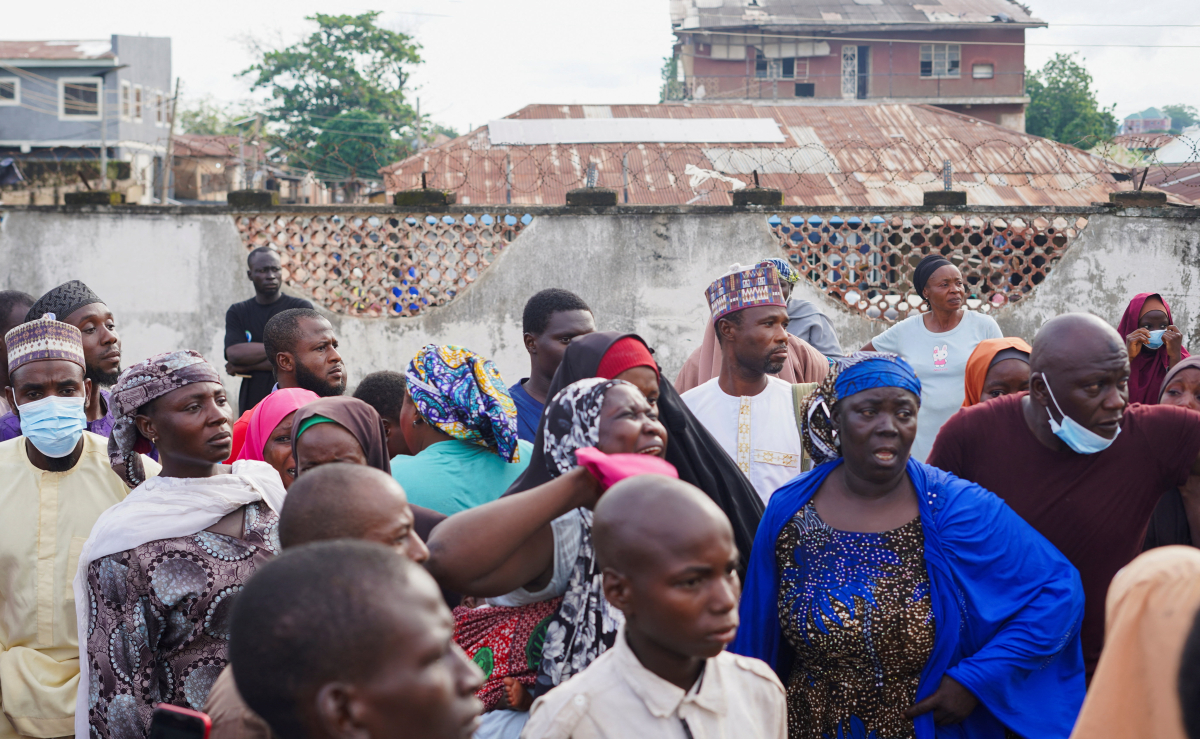
The demonstrations highlighted growing distrust among local communities, many of whom believe the deaths were the result of conditions inside the detention facility rather than disease.
Some protesters accused authorities of failing to protect detainees after their arrest and called for criminal charges if negligence is proven.
Illegal mining remains a major challenge
The incident has drawn attention to Nigeria's wider struggle with illegal mining.
Niger State contains significant deposits of gold and other minerals, attracting thousands of small-scale miners. While the sector provides livelihoods for many impoverished communities, authorities say illegal mining operations have become increasingly linked to smuggling networks, environmental damage and armed criminal groups.
Security agencies regularly conduct raids against suspected illegal mining camps, arguing that the trade contributes to insecurity in parts of the country.
Analysts note that large quantities of gold extracted through informal operations are believed to enter international supply chains with limited oversight, making enforcement a growing priority for Nigerian authorities.
Questions over detention standards
Human rights advocates say the deaths raise broader concerns about detention conditions and due process within Nigeria's security system.
Under Nigerian law, suspects are generally expected to be brought before a court within a reasonable period after being detained. Rights groups argue that overcrowding, poor infrastructure and limited medical access remain persistent problems in detention facilities across the country.
The deaths of the miners are now likely to intensify calls for reforms aimed at improving detention standards and increasing oversight of security agencies.
For many families, however, the immediate priority remains establishing exactly how their relatives died.
With autopsy results pending and multiple investigations under way, authorities face growing pressure to provide clear answers about one of the deadliest custodial incidents Nigeria has seen in recent years.
Read more from Nigeria:





















What is your opinion on this topic?
Leave the first comment