Lithuanian President Gitanas Nauseda has expressed concern over the AfD's strong performance in Germany's Saxony-Anhalt state election, calling the result disappointing and warning about the growing influence of populist forces in Europe.
Speaking to journalists in Lithuania's parliament, Nauseda said the outcome highlighted changing political dynamics within Europe's largest economy and reflected factors that go well beyond foreign policy concerns.
“The strengthening and entrenchment of populist forces in some German states is worrying,” he said, according to Lithuania's public broadcaster LRT.
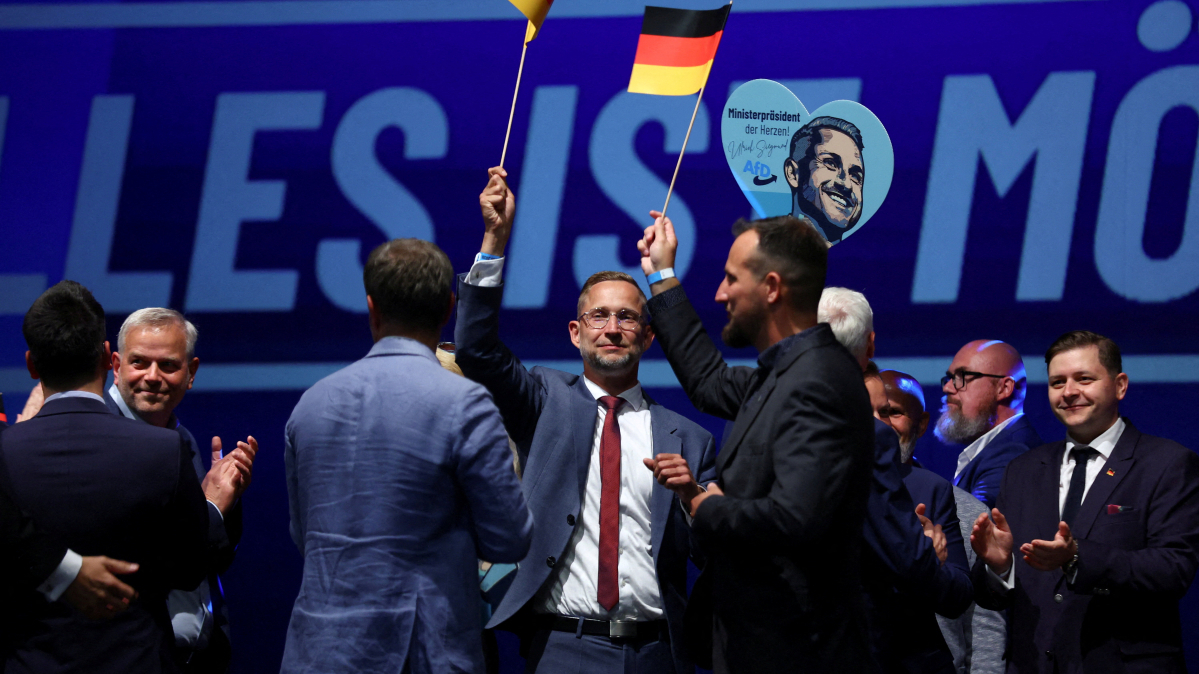
His remarks came after the anti-immigration AfD secured 43.8 per cent of the vote in Sunday's election, becoming the largest party in Saxony-Anhalt and recording one of the strongest results in the party's history.
Election sends shockwaves through Germany
Although the AfD emerged as the clear winner, it fell short of the outright majority needed to govern the eastern German state on its own.
The result nevertheless delivered a major political setback to Chancellor Friedrich Merz and his Christian Democratic Union (CDU), which suffered its worst electoral performance in the state in decades.
Merz acknowledged the scale of the defeat, saying the outcome had shaken his party “to its very foundations”.
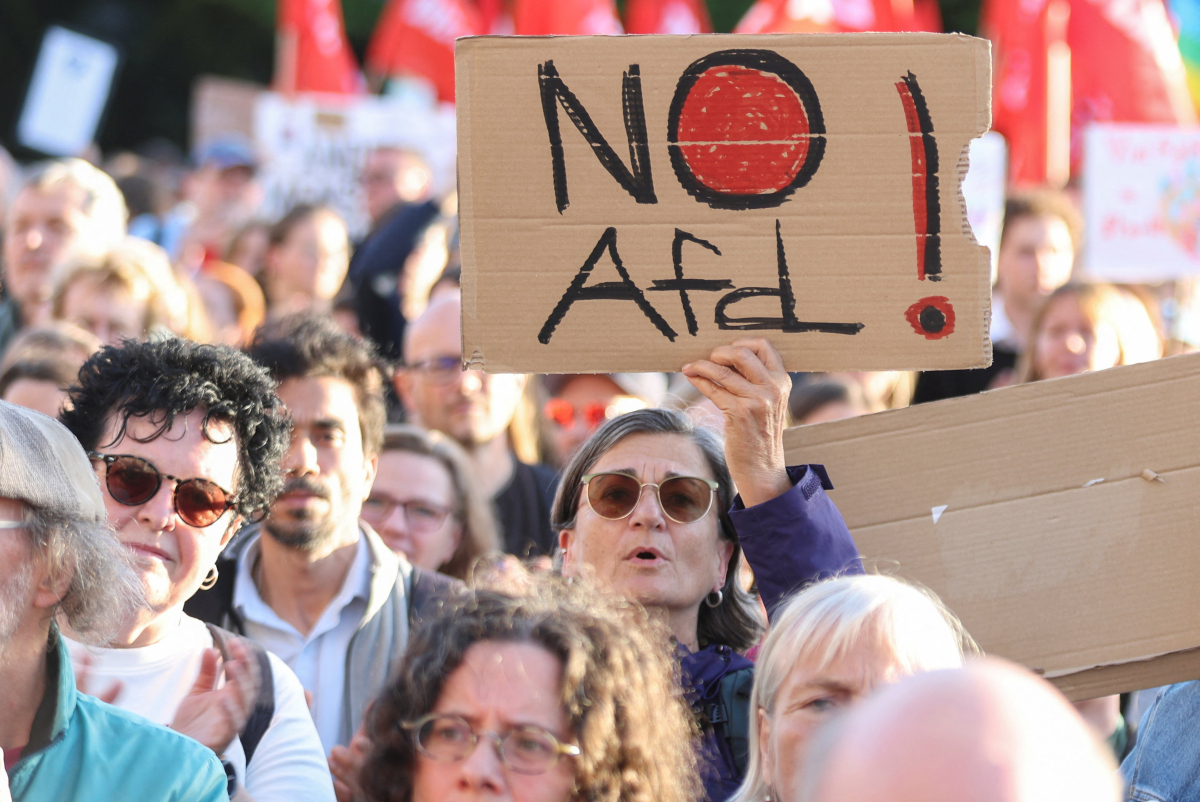
Despite the setback, the German chancellor ruled out any cooperation with the AfD and reaffirmed the CDU's commitment to maintaining the so-called political “firewall” that prevents mainstream parties from entering governing coalitions with the far-right movement.
The election has intensified debate over whether that firewall can be sustained as the AfD continues to expand its support base across Germany.
Lithuania hopes Germany remains a reliable partner
For Lithuania, Germany's political direction carries particular significance.
Nauseda said he hoped domestic political shifts in Germany would not affect Berlin's relationship with Vilnius or alter commitments between the two countries.
He noted that Chancellor Merz's foreign policy has remained clear and consistent, particularly regarding support for Ukraine.
According to Nauseda, Germany has demonstrated strong empathy for Ukraine's struggle against Russia and has maintained a predictable foreign policy approach despite growing political pressures at home.
The Lithuanian president expressed confidence that Germany would continue to uphold its obligations to allies even as its domestic political landscape evolves.
Germany is a key security partner for Lithuania and plays a central role in NATO's eastern flank, making developments in German politics closely watched in the Baltic region.
Immigration debate gaining momentum
While critical of the AfD's rise, Nauseda acknowledged that the election result could influence discussions around immigration policy across Europe.
He said the outcome may strengthen calls for stricter immigration measures and encourage broader debate within European institutions.
Immigration was one of the central issues of the Saxony-Anhalt campaign, with the AfD making border security and migration controls key elements of its platform.
Following the election results, reporters interviewed residents of Saxony-Anhalt to gauge their reactions.
One woman named Emily said she favours the AfD and hopes they can win an absolute majority, which would put them in full control of the government.
When asked what she would hope to gain from an AfD-led government, she said, “That I can walk the streets alone at night as a woman without being afraid. That's very important. I can't do that now. I'm even afraid to go to work. This isn't working. And if they (AfD) come to power, great.”
The party has built support by arguing that Germany's established political parties have failed to address public concerns over migration, economic pressures and national identity.
Analysts say those themes resonated particularly strongly among voters in parts of former East Germany, where distrust of traditional political parties remains relatively high.
Ukraine remains a dividing line
Another major factor behind the AfD's rise has been its stance on Russia and the war in Ukraine.
The party has repeatedly called for an end to German military support for Kyiv, urged the lifting of sanctions on Moscow and advocated closer ties with Russia.
That position places it in direct opposition to Merz, who has continued to support Ukraine and argues that Europe's security depends on resisting Russian aggression.
Following the election, the chancellor insisted Germany would not change course.
He said supporting Ukraine remained essential and warned that any reduction in backing for Kyiv would only embolden Russia.
For Lithuania, which has been among Ukraine's strongest supporters since the start of the war, the AfD's foreign policy platform is viewed with particular concern.
Broader European implications
The reaction from Nauseda mirrors concerns expressed elsewhere in Europe following the vote.
French officials also described the result as troubling, warning that it reflected the broader rise of populist movements across the continent.
The AfD's success has been welcomed by several nationalist politicians in Europe, who see the outcome as evidence of growing dissatisfaction with established political parties.
At the same time, opponents argue that the trend risks undermining European unity, support for Ukraine and the political consensus that has shaped the European Union for decades.
Nauseda suggested the Saxony-Anhalt election could alter the balance of political power inside Germany over the coming years, even if the AfD remains excluded from government for now.
Pressure set to grow ahead of future elections
The significance of the result extends beyond a single German state.
With additional regional elections approaching and federal elections scheduled for 2029, both supporters and critics of the AfD view Saxony-Anhalt as an important test of the country's political trajectory.
The party is increasingly presenting itself as a viable alternative to mainstream parties, while its opponents are warning that its rise could reshape Germany's domestic and foreign policy priorities.
For leaders such as Nauseda, the key question is whether Germany can maintain political stability and its traditional role within Europe while responding to growing voter discontent.














What is your opinion on this topic?
Leave the first comment