




11:16 CET
Nuclear security
Georgia arrests man over attempted $700,000 uranium sale
Georgia has detained a man ...
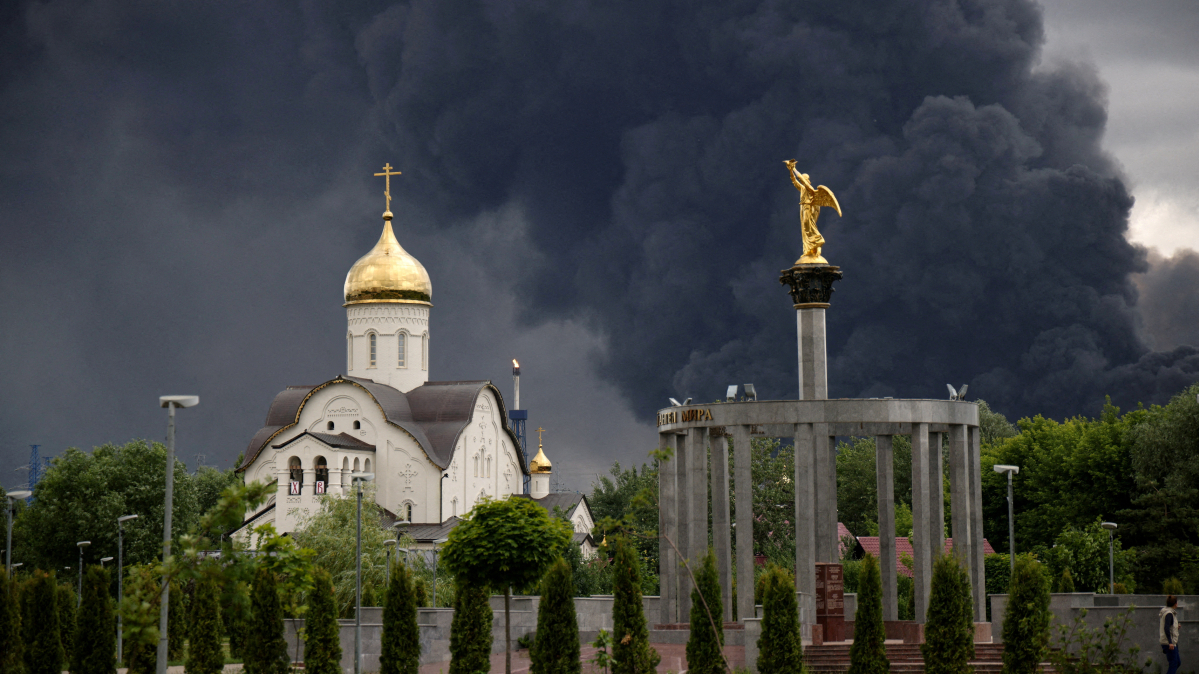


Ukraine has stepped up its campaign of long-range drone strikes against Russia's energy infrastructure, targeting some of the country's largest oil refineries and processing facilities in what Kyiv says is an effort to reduce the revenues that help fund Moscow's military operations.
The latest attack struck the NORSI refinery, Russia's fourth-largest oil refinery and a key producer of petrol. Industry sources said the Lukoil-owned facility suspended crude processing on 26 August after being hit by Ukrainian drones.
The refinery is capable of processing around 15 million metric tonnes of oil annually and is Russia's second-largest producer of gasoline.
The strike comes amid a sustained Ukrainian effort to target energy assets deep inside Russian territory. Over recent weeks, a series of refineries, petrochemical plants and gas-processing facilities have reported damage, fires or temporary shutdowns following drone attacks attributed to Ukraine.
Earlier this week, the Novoshakhtinsk refinery in the southern Rostov region halted operations after suffering damage in a drone strike, according to regional authorities. The plant processes more than five million tonnes of oil a year.
In neighbouring Krasnodar region, the Afipsky refinery caught fire following a drone attack on 25 August, regional officials said. The refinery has a processing capacity exceeding nine million tonnes annually.
Russia's seventh-largest refinery, located in the city of Perm, also suspended operations after a drone strike on 21 August caused damage to key technological units and sparked a fire, according to industry sources. The facility processed about 12.6 million tonnes of oil in 2024.
Among the most significant targets was Tatneft's TANECO refinery in Tatarstan, one of Russia's largest and most modern refining complexes. Ukrainian forces reportedly struck the facility twice on 10 and 19 August. The refinery processed 17 million tonnes of crude oil last year.
Other facilities affected this month include a refinery in Bashkortostan near the city of Ufa, which regional authorities said sustained minor damage in a drone attack on 19 August. The site had also been targeted in July.
Ukraine's campaign has extended beyond oil refining. Industry sources told Reuters that Novatek's gas condensate processing complex at the Baltic port of Ust-Luga suffered damage in a drone attack on 14 August. The facility processed 3.8 million tonnes of gas condensate during the first half of this year.
In the Orenburg region, the Orsk refinery halted processing on 11 August after a fire linked to a drone attack. Regional authorities said repairs could take up to six months. The refinery's annual design capacity is about six million tonnes.
A drone strike on 10 August also damaged Sibur's Zapsibneftekhim petrochemical complex in Tobolsk, western Siberia. The facility is one of Russia's largest petrochemical plants, with annual production capacity of 2.5 million tonnes of base polymers.
In Krasnodar region, a separate attack on the Ilsky refinery on 8 August left five people injured and triggered a fire that was later extinguished. The facility had also been hit in July.
Several major Russian refineries were targeted earlier in the summer. Fires broke out at the Yaroslavl refinery, northeast of Moscow, and at energy facilities in the Volgograd region following drone attacks.
Industry sources said the Volgograd refinery, owned by Lukoil, suspended crude processing after the strike. The plant processed 13.5 million tonnes of oil in 2024.
Ukraine also claimed responsibility for a strike on Rosneft's Saratov refinery on 2 August. Industry sources said the plant subsequently stopped processing oil. The refinery handled 5.8 million tonnes of crude last year.
Additional attacks were reported at the Ryazan refinery, one of Russia's largest refining facilities, the Syzran refinery in the Samara region, the Omsk refinery in western Siberia, and the Moscow refinery in the capital's Kapotnya district.
The campaign marks a continuation of Ukraine's strategy of targeting Russia's energy sector far from the front lines. Ukrainian officials argue the strikes are designed to weaken Russia's military logistics and reduce revenues generated by oil and fuel exports.
Russia has repeatedly condemned the attacks while seeking to limit their impact through repairs, increased air defences and operational adjustments at affected facilities. Moscow rarely provides detailed assessments of damage, though regional officials have frequently acknowledged fires, shutdowns and disruptions following drone raids.
The growing reach of Ukrainian drones has highlighted Kyiv's ability to strike strategic infrastructure hundreds, and in some cases thousands, of kilometres from the battlefield.
With attacks continuing into late August, the energy sector has become an increasingly important front in the war, extending the conflict beyond the battlefield and into Russia's industrial heartland.

Georgia has detained a man ...
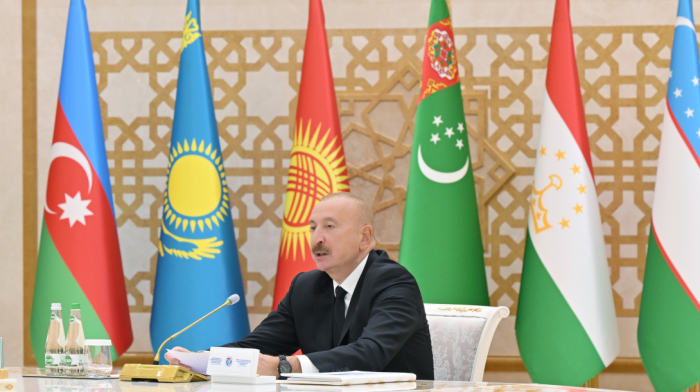
Azerbaijan and the five Central Asian states have signed two key documents at the 8th Consultative Meeting of Heads of State in Turkmenbashi, forma...
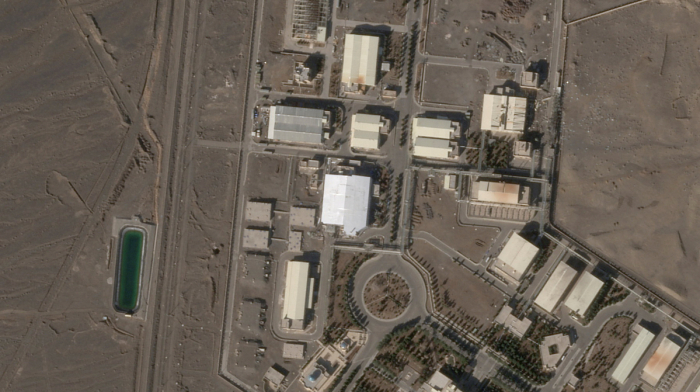
U.S. Vice President JD Vance told Reuters on Monday (5 October) that ...

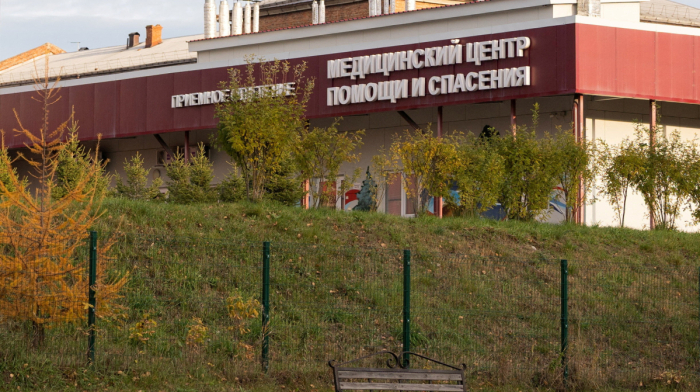
Russia's health watchdog said on Tuesday that no cases of plague had been detected among anyone who had come into contact with a Siberian plague institute laboratory worker who died last week, and locals said their lives had barely been disrupted.

Russia struck Ukraine overnight in one of the biggest attacks of the conflict, killing at least 19 people, Kyiv's Foreign Ministry said on Wednesday. Around 70 missiles were fired at Ukraine during the attack, as well as drones, the Ministry said.
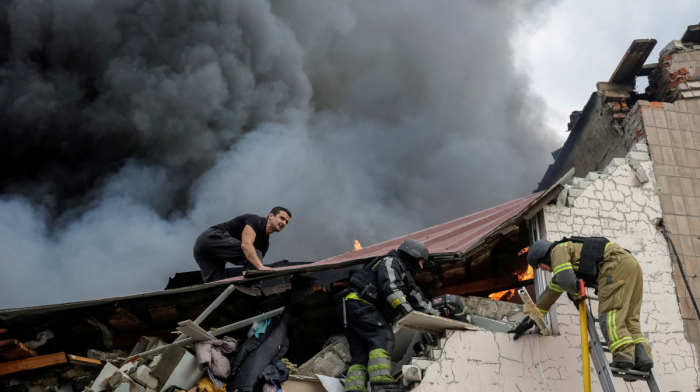
A large Ukrainian drone attack on Moscow and the surrounding region has killed two people, damaged homes and sparked a major fire at a key fuel facility, according to Russian officials and military bloggers.

The German-Azerbaijani Connectivity Conference 2026 commenced on 6 October in Baku under the title “Mobilising Finance for Infrastructure, Transport, Logistics, Green Energy, and Digitalisation along the Middle Corridor.”

The Saudi-led coalition says it has carried out a series of military operations against Houthi targets in Yemen after attacks on two Saudi airports left three people dead and dozens injured.

It started with classrooms. Too many students, not enough teachers, deteriorating buildings and growing anxiety over what comes after high school. But within weeks, a movement that began outside French lycées had spread across the country.

Iran says it will deliver its response to recent U.S. proposals through intermediaries, underscoring that communication between the two countries continues indirectly alongside ongoing diplomatic efforts to reduce tensions.

International cooperation, lunar exploration and the growing role of artificial intelligence dominated the third day of a major astronautical conference now underway in Antalya.
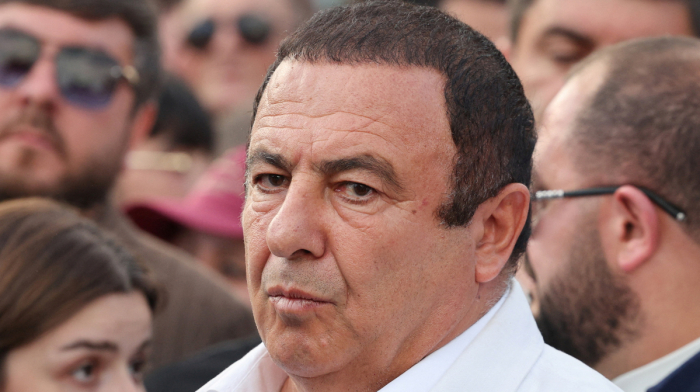
Armenian authorities have frozen a wide range of assets belonging to billionaire businessman and opposition politician Gagik Tsarukyan as part of proceedings linked to the confiscation of property allegedly acquired illegally.
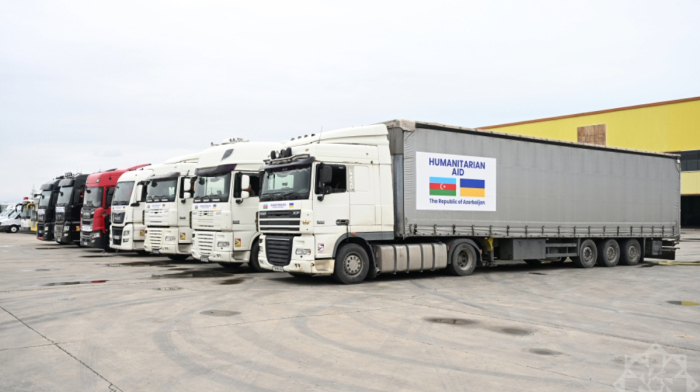
Azerbaijan has sent another batch of humanitarian aid to Ukraine, consisting of electrical equipment vital for restoring the country’s energy infrastructure and preparing for the winter season.
You can download the AnewZ application from Play Store and the App Store.




What is your opinion on this topic?
Leave the first comment