More than a quarter of a century after the 11 September 2001 attacks, the U.S. case against alleged mastermind Khalid Sheikh Mohammed and three co-defendants finally has a trial date: 5 June 2028.
The ruling by U.S. Air Force Lieutenant Colonel Michael Schrama on Thursday, 27 August, marks the latest attempt to move forward a prosecution tangled in legal disputes for more than two decades.
Mohammed, Walid Muhammad Salih Mubarak bin 'Atash, Mustafa Ahmed Adam al-Hawsawi and Ali Abdul Aziz Ali are accused of orchestrating, financing and facilitating the attacks that killed nearly 3,000 people in New York, Virginia and Pennsylvania.
But before a jury hears the case, the court still faces a long list of disputes over evidence and other pretrial matters.
A case that has barely moved
Schrama's 11-page scheduling order rejected prosecutors' request to begin the trial in January 2027, saying that date would leave too little time for the "resolution of pretrial evidentiary and compliance motions".
Instead, the judge set a timetable that will see jury selection begin on 5 June 2028. Opening statements are due 30 days after the military panel is seated, followed by the prosecution's evidence and then the defence case.
The proceedings will ultimately move to sentencing.
The timetable reflects the extraordinary complexity of a case that has been in the military commissions system for years but has yet to reach trial.
Mohammed was captured in Pakistan in March 2003 and transferred to Guantanamo Bay in September 2006, where he has remained ever since.
Plea deal overturned
The latest delay follows a dramatic fight over a proposed plea agreement.
Mohammed and two of his co-defendants had agreed to plead guilty in return for avoiding the death penalty. The deal, negotiated over two years, would have resulted in life imprisonment without the possibility of parole.
The agreement was accepted by the official overseeing the Pentagon's military commissions, but then-Defence Secretary Lloyd Austin moved to revoke it in August last year after the deal drew fierce criticism from Republican lawmakers.
Last month, a U.S. appeals court ruled against the defendants, overturning decisions by a military judge and the U.S. Court of Military Commission Review that had supported the agreements.
That decision effectively cleared the way for prosecutors to pursue the capital case.
The man at the centre of the case
Mohammed is the best-known detainee still held at the Guantanamo Bay detention facility, which opened in 2002 under President George W Bush to hold foreign militant suspects captured after the attacks.
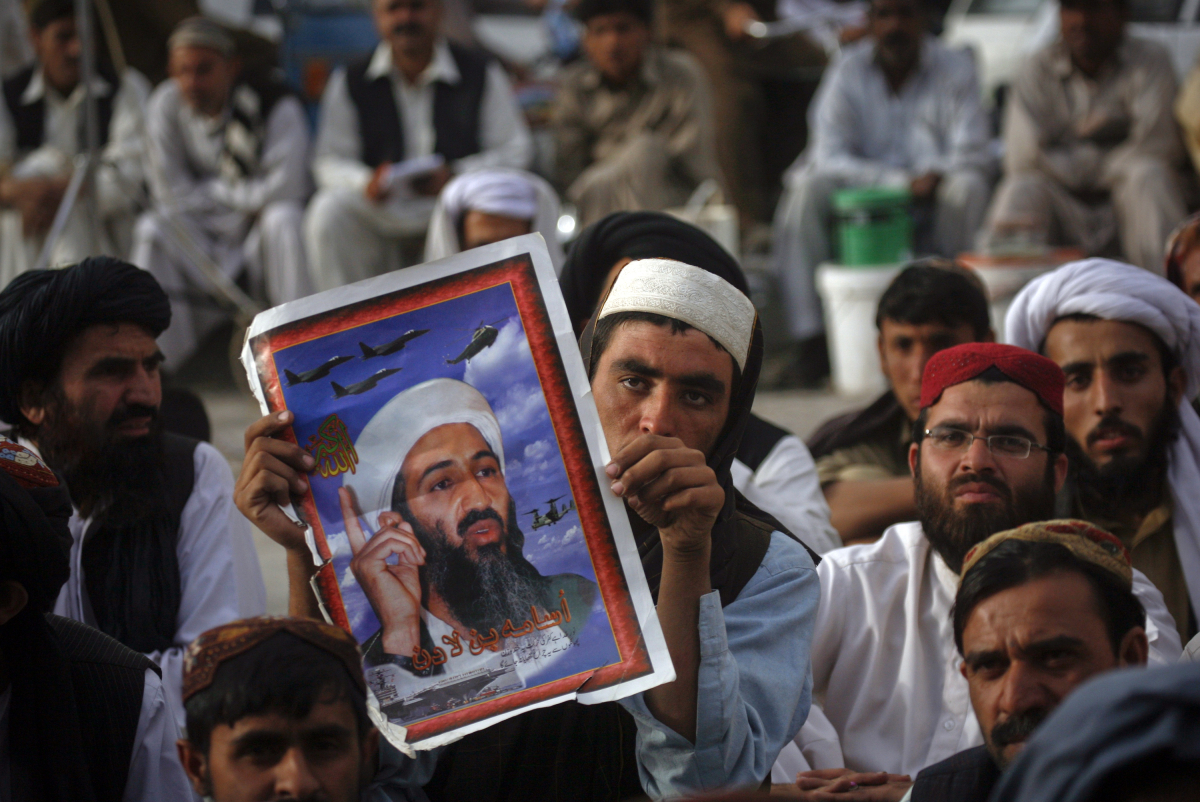
U.S. prosecutors accuse him of conceiving the plan to train pilots to hijack commercial aircraft and crash them into major American buildings, and of taking the idea to al-Qaeda leader Osama bin Laden.
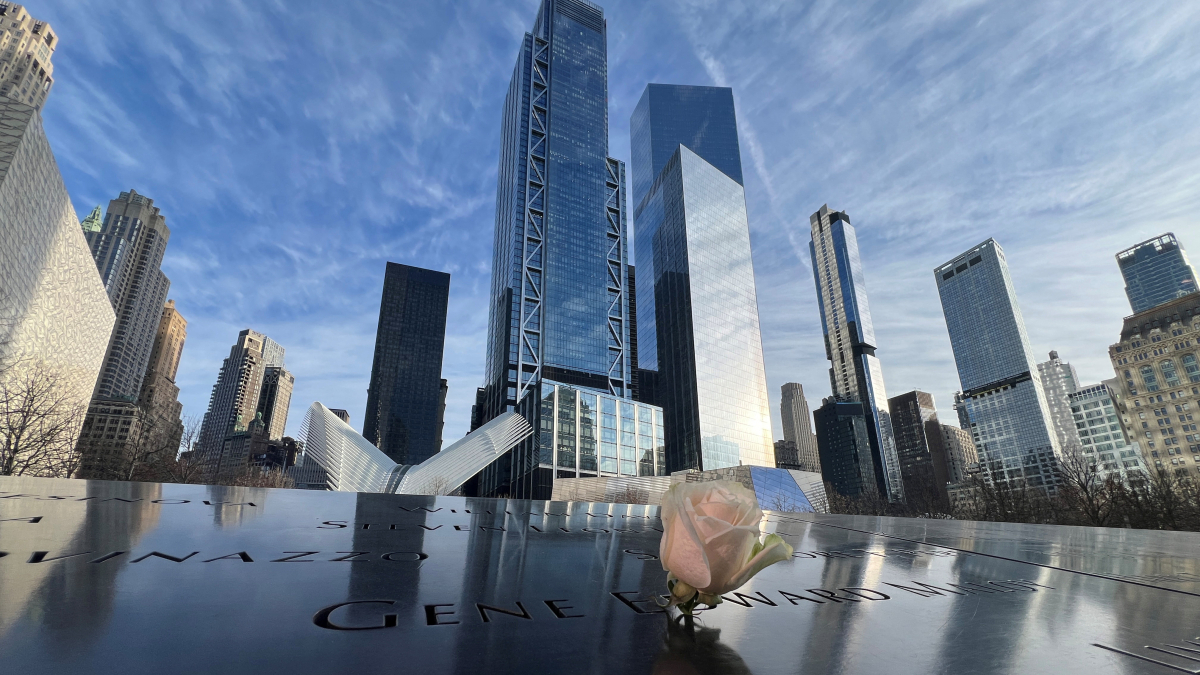
The attacks on 11 September 2001 saw hijackers seize four passenger planes. Two were flown into the World Trade Centre in New York, another struck the Pentagon in Virginia, while the fourth crashed in a field in Pennsylvania after passengers attempted to retake control.
Nearly 3,000 people were killed.
Mohammed has previously acknowledged a central role in the plot, saying he planned the "9/11 operation from A-to-Z".
Nearly 25 years on
The new trial date comes as the U.S. approaches the 25th anniversary of the attacks, underscoring how long it has taken for the case to reach this stage.
The Guantanamo proceedings have been repeatedly delayed by disputes over jurisdiction, evidence, interrogation practices and the treatment of detainees in U.S. custody.
Questions surrounding evidence obtained after detainees were subjected to CIA torture programmes have been particularly contentious.
For families who lost relatives on 11 September, the latest scheduling order offers a date on the calendar but not yet an end to the wait.
About 15 prisoners remain at Guantanamo today, more than 20 years after the detention facility opened. For Mohammed and his three co-defendants, the next major milestone is now set for June 2028 - almost 27 years after the attacks they are accused of helping to orchestrate.
Read more about U.S. trials:















What is your opinion on this topic?
Leave the first comment