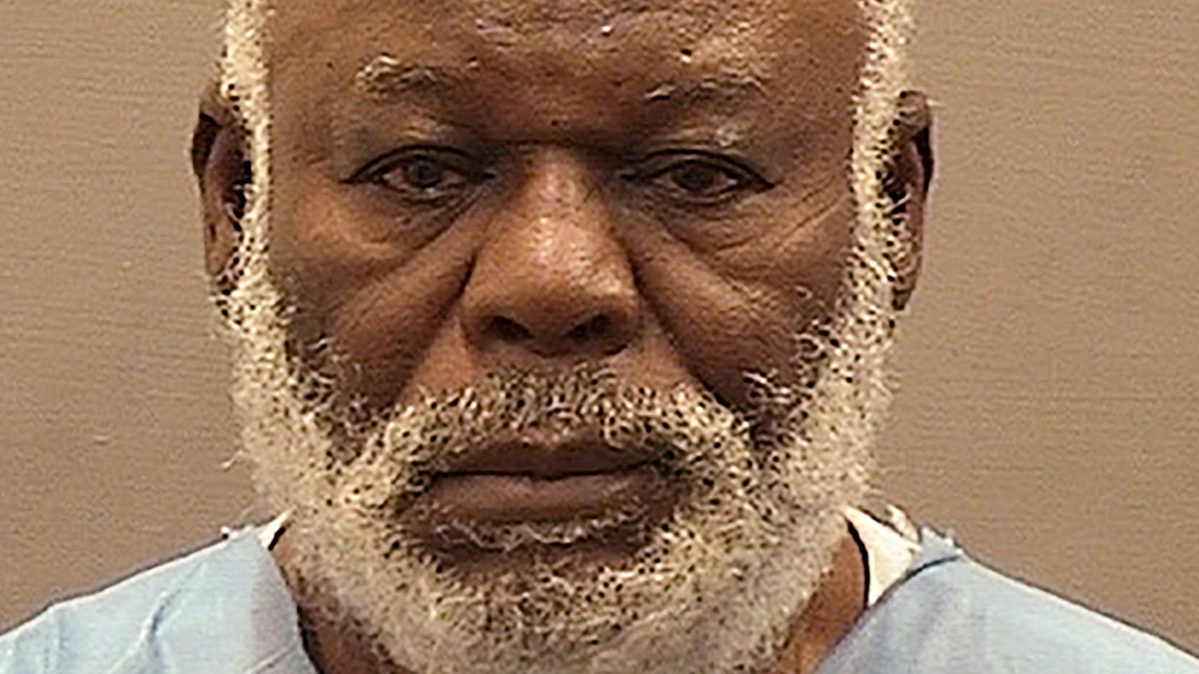
The trial of a Libyan man accused of building the bomb that destroyed Pan Am Flight 103 over the Scottish town of Lockerbie in 1988, killing 270 people, has been postponed by a U.S. federal judge.
New evidence prompts delay
Jury selection was due to begin on Wednesday, 26 August, in the case against Abu Agila Mohammad Mas'ud Kheir Al-Marimi, a former Libyan intelligence officer accused of constructing the device that brought down the aircraft.
U.S. District Judge Dabney Friedrich announced the delay on Monday, citing newly discovered evidence and material located in other countries that defence lawyers need time to examine. She did not set a new trial date, but scheduled a hearing for 1 September to discuss how the case should proceed.
Mas'ud, now in his mid-70s, has pleaded not guilty to two charges relating to the destruction of the aircraft resulting in death. He faces a maximum sentence of life imprisonment if convicted.
270 killed in Lockerbie bombing
Pan Am Flight 103, a Boeing 747 flying from London to New York, exploded shortly after departure on 21 December 1988. All 259 people on board were killed, including 190 Americans, along with 11 residents of Lockerbie who died on the ground.
The bombing led to Libya becoming an international pariah under the leadership of Muammar Gaddafi, whose government formally accepted responsibility for the attack in 2003.
Defence challenges evidence
Mas'ud denies any wrongdoing, and his legal team has questioned the reliability of evidence gathered by prosecutors, including an alleged confession he is said to have made to a Libyan police officer in 2012, the year after Gaddafi's government was overthrown by rebel forces.
His case has already been delayed for years by legal disputes over that confession and other matters, highlighting the difficulties of prosecuting, in a Washington D.C. court, an attack that took place in Britain decades ago, with much of the evidence originating in Libya.
Prosecutors allege bomb was placed in suitcase
Mas'ud was arrested in Libya and transferred to the U.S. in 2022. Prosecutors allege he built a time-delayed bomb that was packed into a suitcase, checked in at Malta, and eventually loaded onto the doomed flight at London's Heathrow Airport.
Read more from Libya:

















What is your opinion on this topic?
Leave the first comment