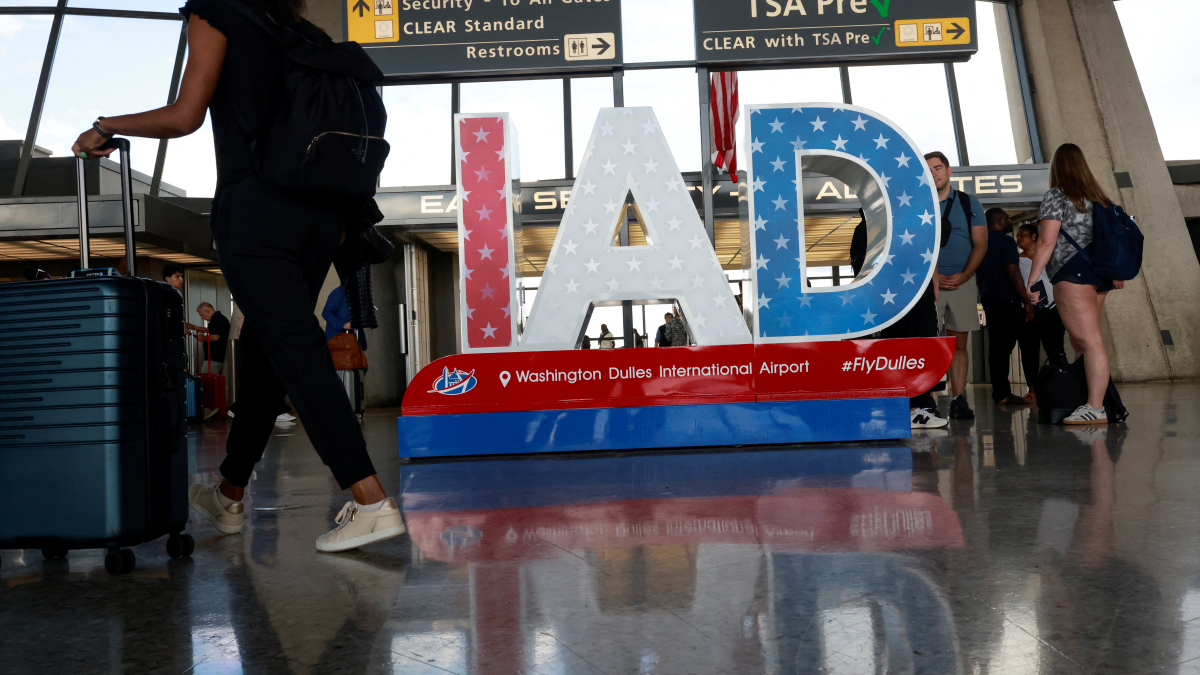
The Trump administration has temporarily suspended some visa appointment scheduling at U.S. embassies and consulates around the world as part of a new training initiative for consular staff, adding another layer to the administration's broader immigration policy overhaul.
The State Department said the measure is linked to a global programme designed to train visa officers on updated screening procedures. While officials did not provide a timeline for how long the adjustments would last, they confirmed that visa services and appointment schedules would be modified to accommodate the training.
According to the department, the goal is to ensure consular officers apply immigration rules consistently and identify applicants who may later become dependent on public assistance in the United States.
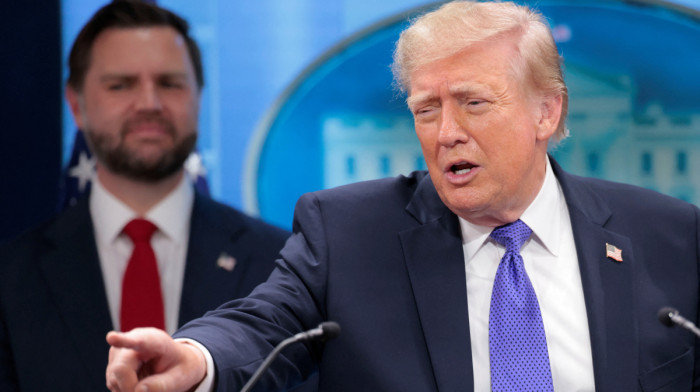
The move comes as President Donald Trump continues to pursue an aggressive immigration agenda during his second term in office. Since returning to the White House, the administration has expanded deportation efforts, tightened scrutiny of visa applicants and increased reviews of green card holders.
Applicants affected by the latest measure have reportedly begun receiving notifications from U.S. diplomatic missions informing them that previously scheduled visa interviews are being postponed and rescheduled for a later date.
Part of a wider immigration push
The visa appointment pause is the latest development in a series of actions aimed at reshaping both legal and illegal immigration pathways into the United States.
Trump has repeatedly argued that stricter immigration enforcement is necessary to protect national security and strengthen the integrity of the immigration system. His administration has introduced new screening standards and increased scrutiny of applicants seeking to enter or remain in the country.
Beyond efforts to curb illegal immigration, the White House has also expanded restrictions affecting legal immigration. In recent years, officials have introduced higher costs for certain visa categories and expanded review procedures for some applicants.
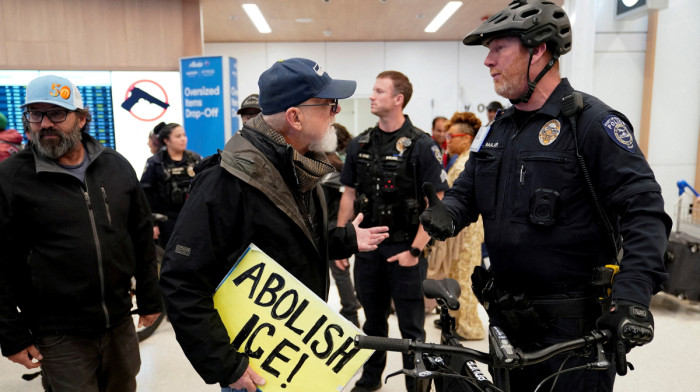
The administration has also faced criticism for decisions involving visa revocations and immigration cases linked to political activism and public demonstrations.
Legal and political challenges
Not all of the administration's policies have survived court scrutiny.
Earlier this month, a federal judge struck down a policy that would have halted the issuance of immigrant visas to applicants from dozens of countries, ruling that the measure exceeded the authority granted to the State Department.
That decision was one of several legal setbacks for the administration's immigration programme, which has generated a steady stream of court challenges since Trump returned to office.
Immigration advocates and civil rights groups argue that some of the new measures risk undermining due process protections and creating uncertainty for migrants, students and workers seeking to enter the United States.
Critics have also raised concerns about discrimination and the treatment of ethnic and religious minorities, while warning that increasingly restrictive policies could harm America's reputation as a destination for international talent.
Uncertainty for applicants
For now, many visa applicants face additional uncertainty as embassies and consulates adjust their schedules.
The State Department has not indicated whether the training programme will affect all categories of visas equally, nor has it said how many appointments could be delayed.
The pause comes at a time when U.S. immigration policy remains one of the most contested issues in American politics.
Read More:









What is your opinion on this topic?
Leave the first comment