A U.S. federal appeals court has ordered the Trump administration to stop construction of a planned $400 million ballroom at the White House.
The ruling is a major setback for President Donald Trump and highlights the limits of presidential authority to alter the White House complex without congressional approval.
The Washington-based U.S. Court of Appeals for the District of Columbia Circuit ruled 2-1 to uphold an earlier injunction blocking above-ground construction.
“Each President is a temporary tenant, not the owner, of the White House,” the majority said.
The judges said Trump could not fundamentally change the historic site without approval from Congress.
“Whether or not a massive ballroom should be constructed is for Congress to decide,” they wrote.
The court's decision does not permanently prevent the project. It pauses above-ground work while the legal challenge continues and until Congress gives the required approval.
Trump vows to appeal
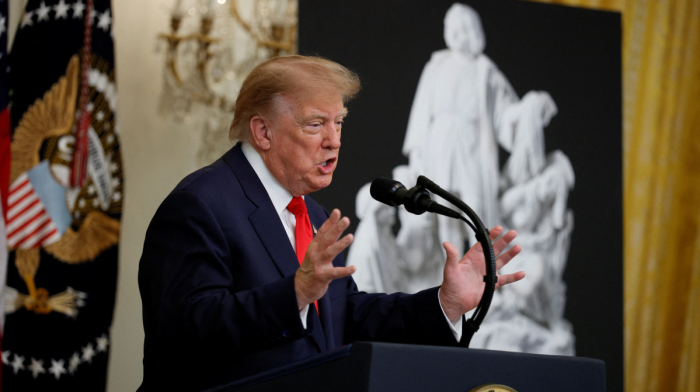
The ruling gives the administration 14 days to seek further legal action, and Trump said he would take the case to the U.S. Supreme Court.
He described the decision as “horrendous” and politically motivated. Trump has argued that the project is needed for national security and has described the planned ballroom as a “military centre”.
He said the building would include bomb shelters, medical facilities and protection against drones and missiles.
“These are all tied together as one big, expensive, and very complex unit,” Trump said.
Historic site at centre of dispute
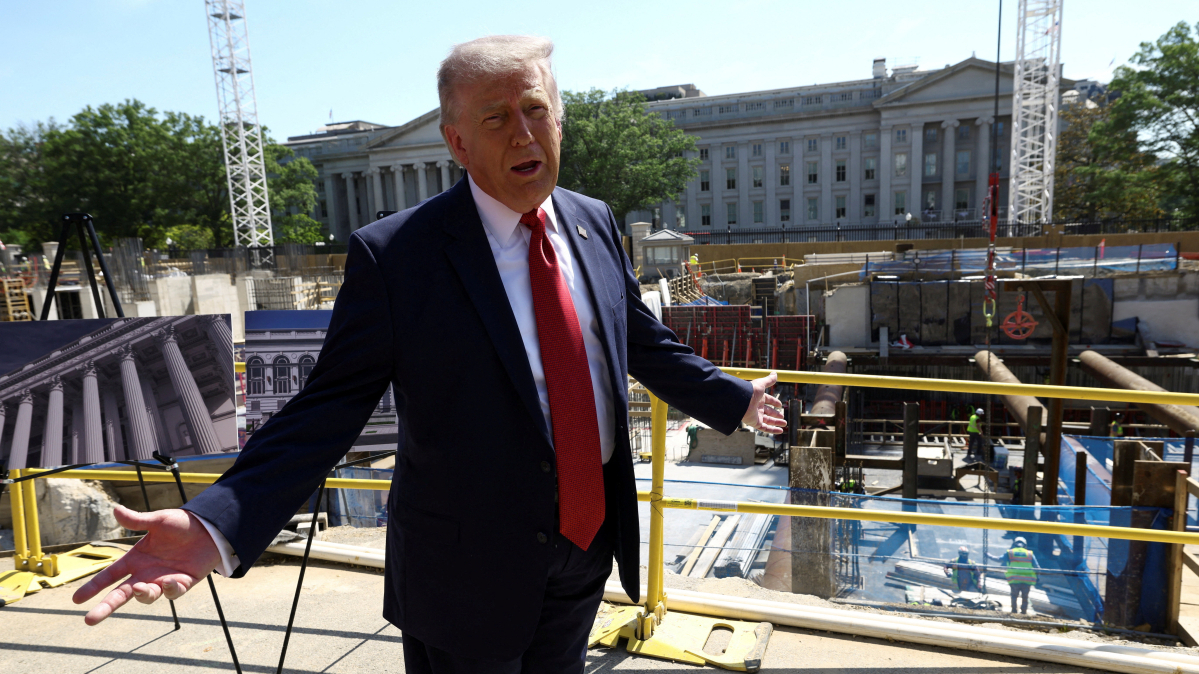
The National Trust for Historic Preservation brought the case after the administration demolished the White House's East Wing and began work on a planned 90,000-square-foot ballroom.
The group welcomed Friday's ruling.
National Trust President Brent Leggs called it “a great day for our country” and said it protected the public's right to have a say over historic places, including the White House.
The administration has argued that the ballroom is needed to host large formal events and improve security.
The appeals court's two Democratic-appointed judges rejected the administration's argument that national security justified bypassing normal legal requirements.
“National security arguments are not an automatic get-out-of-law-free card,” they wrote.
Trump-appointed Judge Neomi Rao disagreed. In her dissent, she argued that the courts had gone too far by interfering with construction at the White House.
“The district court seized supervision of construction at the White House,” Rao wrote, calling the decision “judicial overreach”.
The project's cost has also become a point of controversy. Trump has said the price increased because the planned ballroom is roughly twice the size of the original proposal and would be built to a higher standard.
Read more:



















What is your opinion on this topic?
Leave the first comment