EU blacklists 218 targets and agrees to watered-down 21st sanctions package against Russia
The European Union (EU) has agreed on a 21st package of sanctions against Russia, after shelving some proposed measures to appease member states, most...
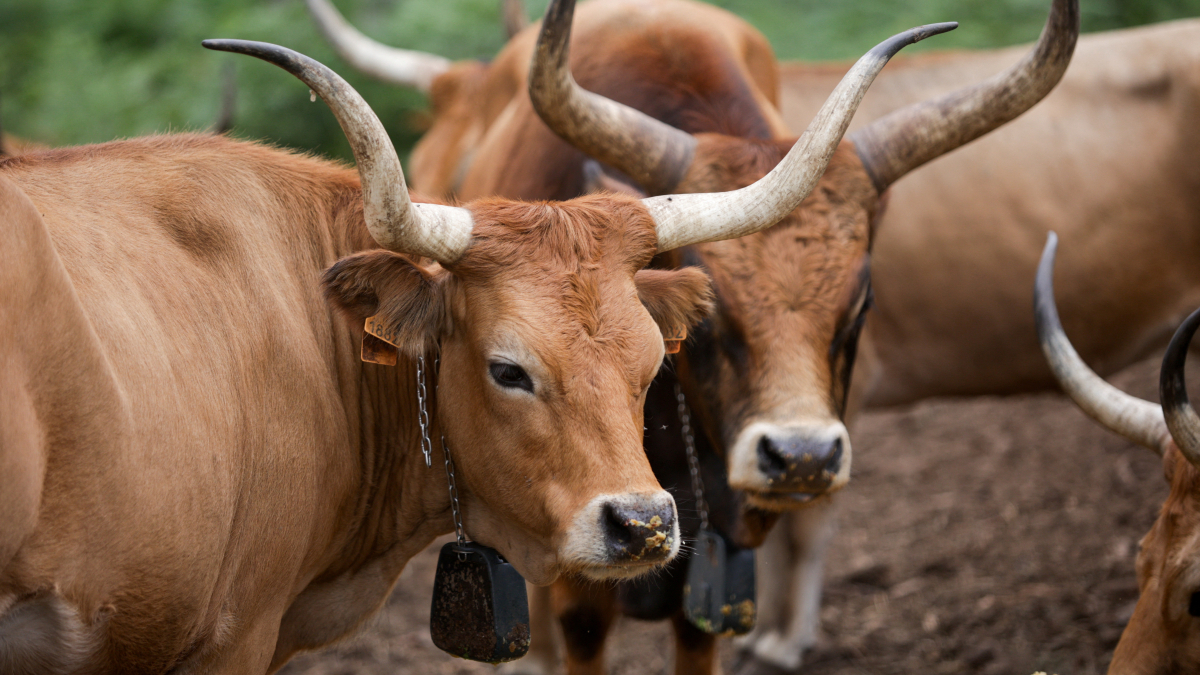
Communities in Spain's northwestern Galicia region are bringing back native livestock, including the hardy Cachena breed, to help reduce the risk of devastating wildfires while restoring ecosystems.
Known locally as "goat-cows" for their ability to graze almost anything and navigate steep mountain terrain, the small native cattle are helping to clear dense undergrowth that can fuel fast-moving fires.
The initiative gained momentum after a major wildfire swept through the parish of Vincios in 2017, prompting local landowners to revive traditional grazing practices.
Alongside goats and sheep, Cachena cattle feed on highly flammable shrubs such as brambles, gorse and broom, helping to keep vegetation at safer levels without stripping the landscape bare.
Their return follows decades of decline after large-scale pine and eucalyptus plantations replaced traditional grazing land and rural populations moved to cities.
According to regional livestock association BOAGA, Galicia's native livestock population has grown from just over 1,800 animals in the late 1990s to more than 30,000 by early 2026.
The number of Cachena cattle alone has increased from around 400 to 8,000, supported by government incentives and breeding programmes.
Many of the animals now roam freely wearing GPS collars, allowing them to graze across large areas without the need for fencing.
Galicia remains one of Spain's regions most vulnerable to wildfires. Nearly 119,000 hectares burned last year, making it one of the country's worst-affected regions.
Experts say grazing can significantly reduce wildfire risk but stress it should be combined with other land management measures, including controlled burns and mechanical vegetation clearance.
Local land managers say the approach not only lowers the risk of wildfires but also helps preserve traditional farming practices and biodiversity.
Start your day informed with AnewZ Morning Brief. Here are the top news stories for the 22nd of July, covering the latest developments you need to know.
The United States has bombed Iran for an 11th consecutive night as the Pentagon says the war’s cost reach $37.5 billion. President Donald Trump threatens a heavy strike on the suspected Pickaxe Mountain nuclear site. Tehran warns that any attack could trigger a wider regional escalation.
Start your day informed with AnewZ Morning Brief. Here are the top news stories for the 23rd of July, covering the latest developments you need to know.
Azerbaijani President Ilham Aliyev and German President Frank-Walter Steinmeier have discussed regional developments, transport connectivity, energy cooperation and the Azerbaijan-Armenia peace process during talks in Berlin.
U.S. strikes on Iran entered a 12th consecutive night, with Iranian officials saying two people were killed in an attack on the Shalamcheh border crossing with Iraq. Meanwhile, Yemen's Houthis said they attacked two Saudi oil tankers in the Red Sea.
The European Union (EU) has agreed on a 21st package of sanctions against Russia, after shelving some proposed measures to appease member states, most notably Greece.
Greece’s security council, KYSEA, is expected to give final approval on Thursday for the purchase of a multi-layered air defence system from Israel worth up to €3.5 billion ($4 billion), along with several types of drones, according to two sources who spoke to Reuters.
Russia intensified attacks on Ukraine's Black Sea ports while Kyiv continued long-range drone strikes inside Russia, as U.S. Secretary of State Marco Rubio and Russian Foreign Minister Sergei Lavrov held talks that produced no breakthrough towards a ceasefire.
Thousands of protesters demanding the resignation of India's education minister briefly clashed with police in New Delhi late on Wednesday as demonstrations over alleged exam paper leaks entered their second month.
China says it tracked and drove away two Philippine vessels that it accused of entering waters near the disputed Scarborough Shoal, in the latest confrontation between the two countries in the South China Sea.
You can download the AnewZ application from Play Store and the App Store.
What is your opinion on this topic?
Leave the first comment